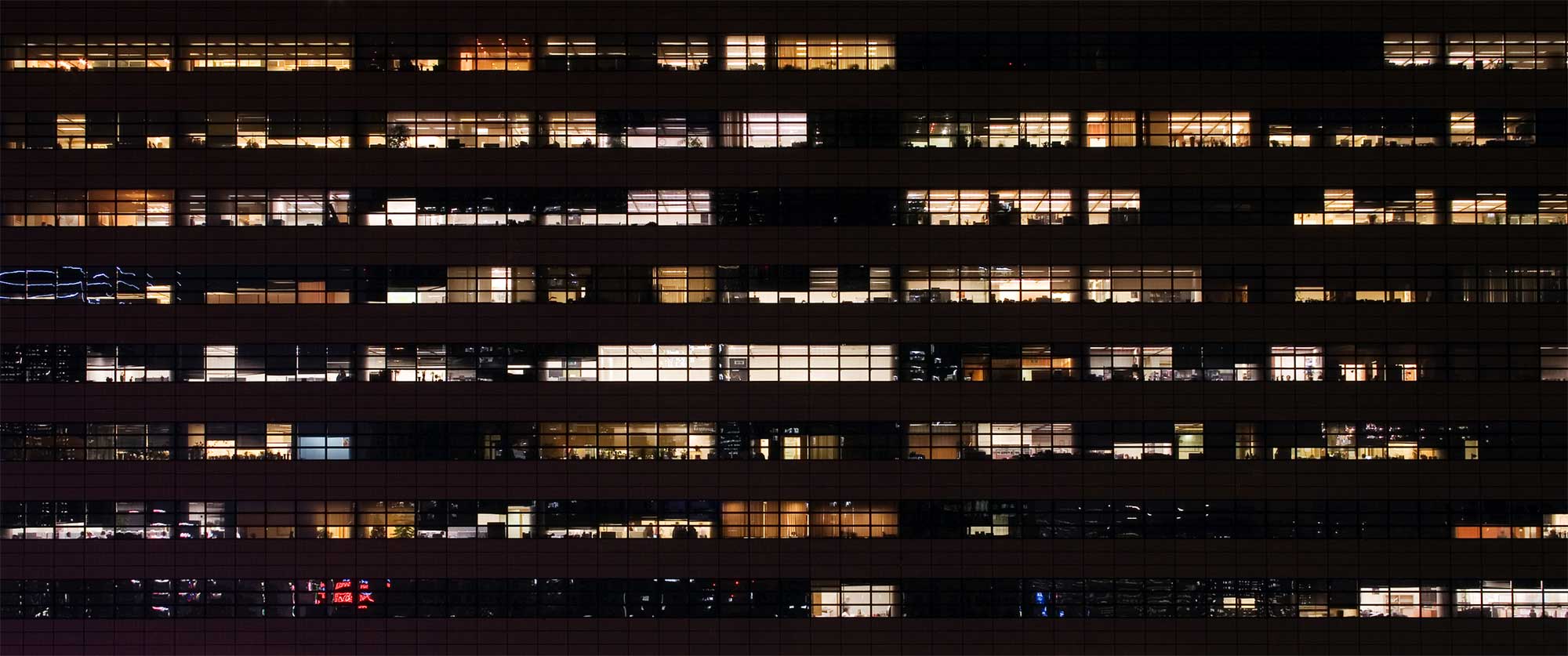
Observing Seoul: social and urban narratives
I was invited to present my work on Seoul’s urban and social landscape at Cankarjev Dom. In this lecture, I bring together photography, film, and long-term observation to reflect on how the city has changed and how these changes affect everyday life.
Living with the city
Seoul is often described through numbers—its size, speed, and cost of living. With more than ten million people, it is frequently framed as a symbol of progress and global influence. However, after living here since 2005, my relationship with the city feels more immediate. It is shaped by routine, repetition, and time spent moving through its neighborhoods.
Much of my work looks at structures that quietly define daily life. In particular, large apartment complexes dominate Seoul’s landscape. They reflect efficiency and growth, but they also raise questions about uniformity, privacy, and how architecture shapes behavior.
A long-term visual practice
My photographic series Urban Nature, which received the European Prize of Architectural Photography in 2011, grew out of this interest. It focuses on the tension between built environments and the traces of nature that remain within them. Over time, this approach has extended into short films and commissioned work.
Rather than chasing spectacle, I concentrate on observation. I look for moments where architecture, landscape, and people intersect in subtle ways. During the lecture, I draw from this body of work to show how rapid urban change reshapes not only skylines, but also movement, memory, and social interaction.
Where edges begin to blur
As Seoul continues to expand, the line between urban and rural space becomes less clear. Infrastructure, farmland, housing developments, and older landscapes often exist side by side. Because of this, the city appears fragmented and layered rather than clearly defined.
This condition appears repeatedly in my work. It reflects a city in constant transition—one shaped by overlap rather than separation, and by coexistence rather than replacement.
Presenting the work in Ljubljana
Located in the center of Ljubljana, Cankarjev Dom has a long tradition as a place for cultural exchange and critical discussion. Presenting my work in this setting allowed me to frame Seoul not as something distant, but as a case study for broader questions about urban growth and lived space.
An ongoing process
This lecture does not aim to offer final answers. Instead, it forms part of an ongoing process of looking closely and asking how cities are experienced from within. Through photography and film, I try to slow things down and observe environments that are usually defined by speed. In doing so, I continue to explore how urban spaces quietly shape the way we live.