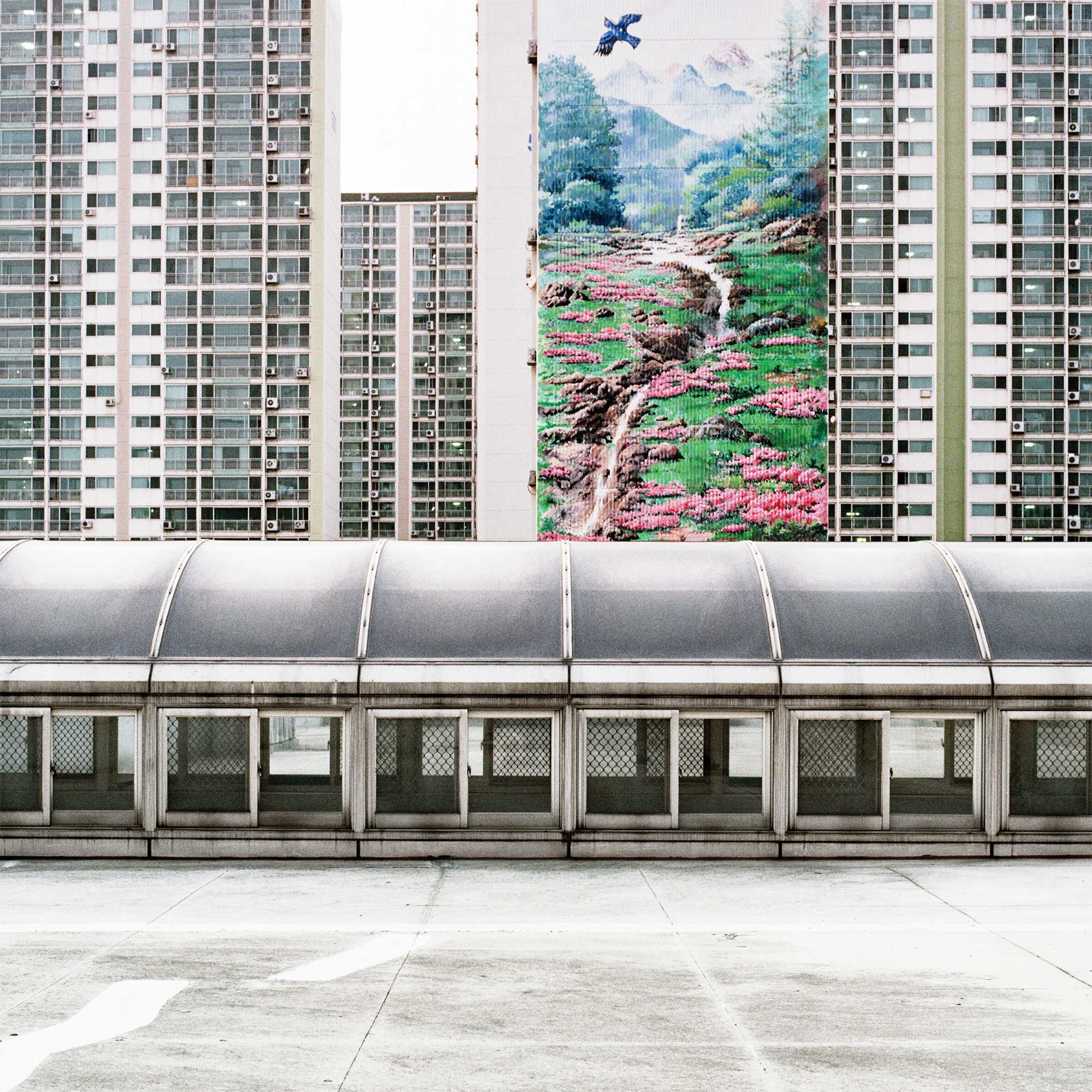
distURBANces — solo exhibition
I invite you to join me for the opening of my solo exhibition distURBANces on March 7, 2012, at TUV Rheinland Gallery. The exhibition brings together key works from my Urban Nature series, which received the European Architectural Photography Prize in 2011, alongside selected pieces from my earlier exhibition Zugzwang.
In addition to the photographic work, the evening will include screenings of music videos that have received international recognition. Food, wine, and beer will be provided courtesy of TÜV Rheinland.
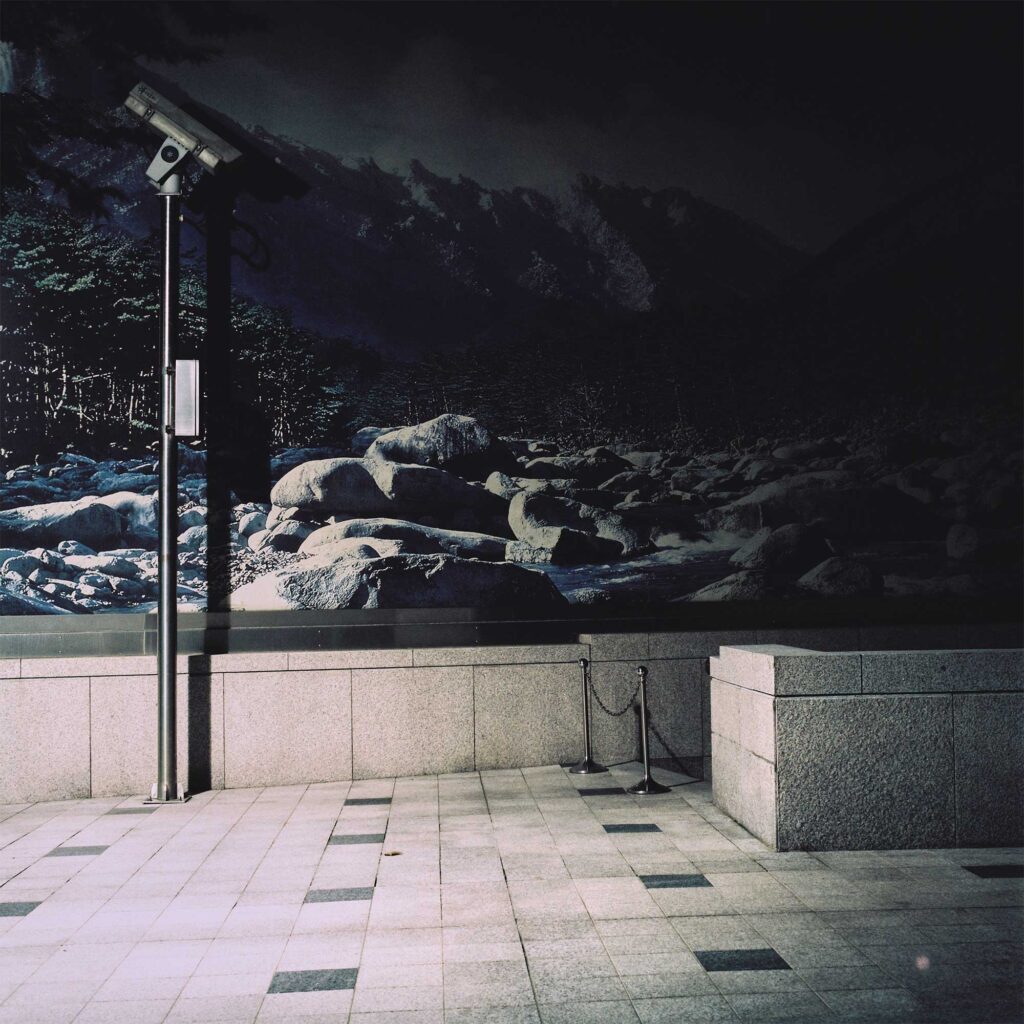
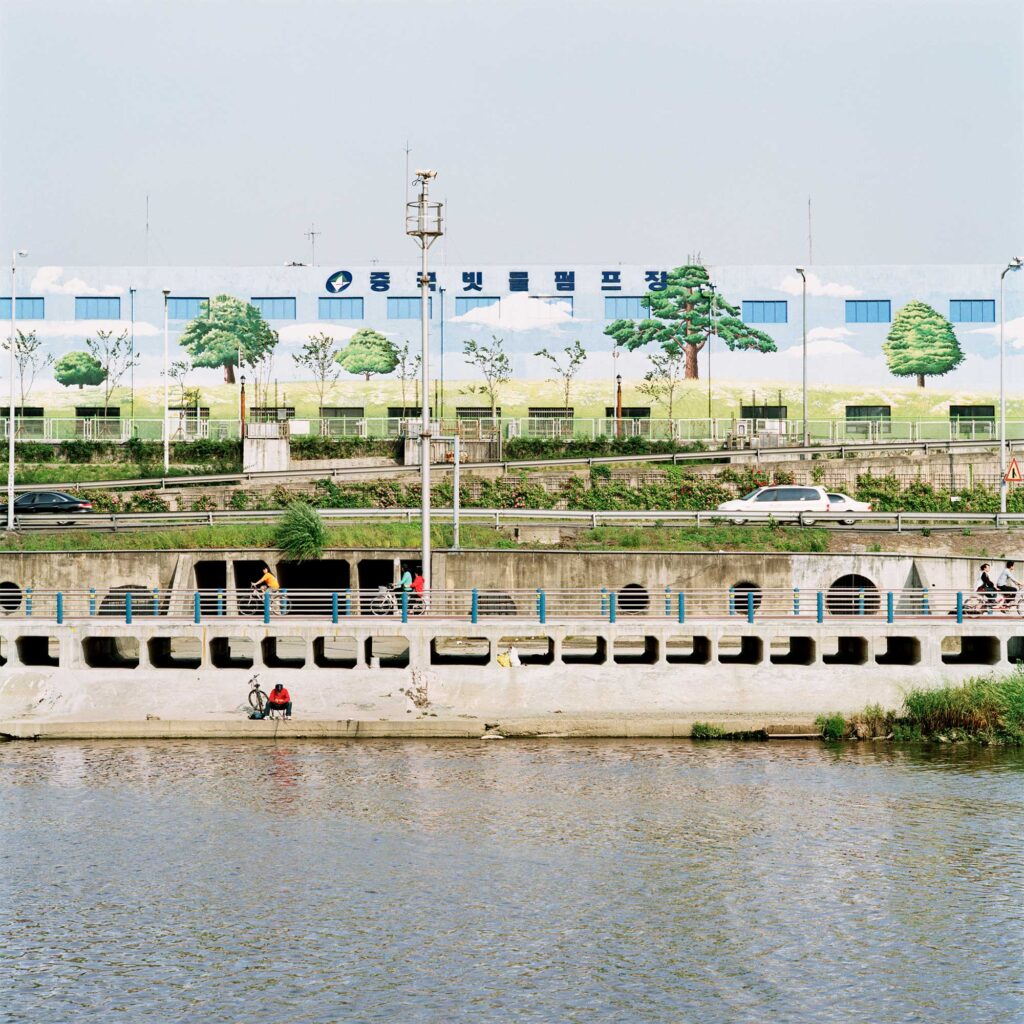
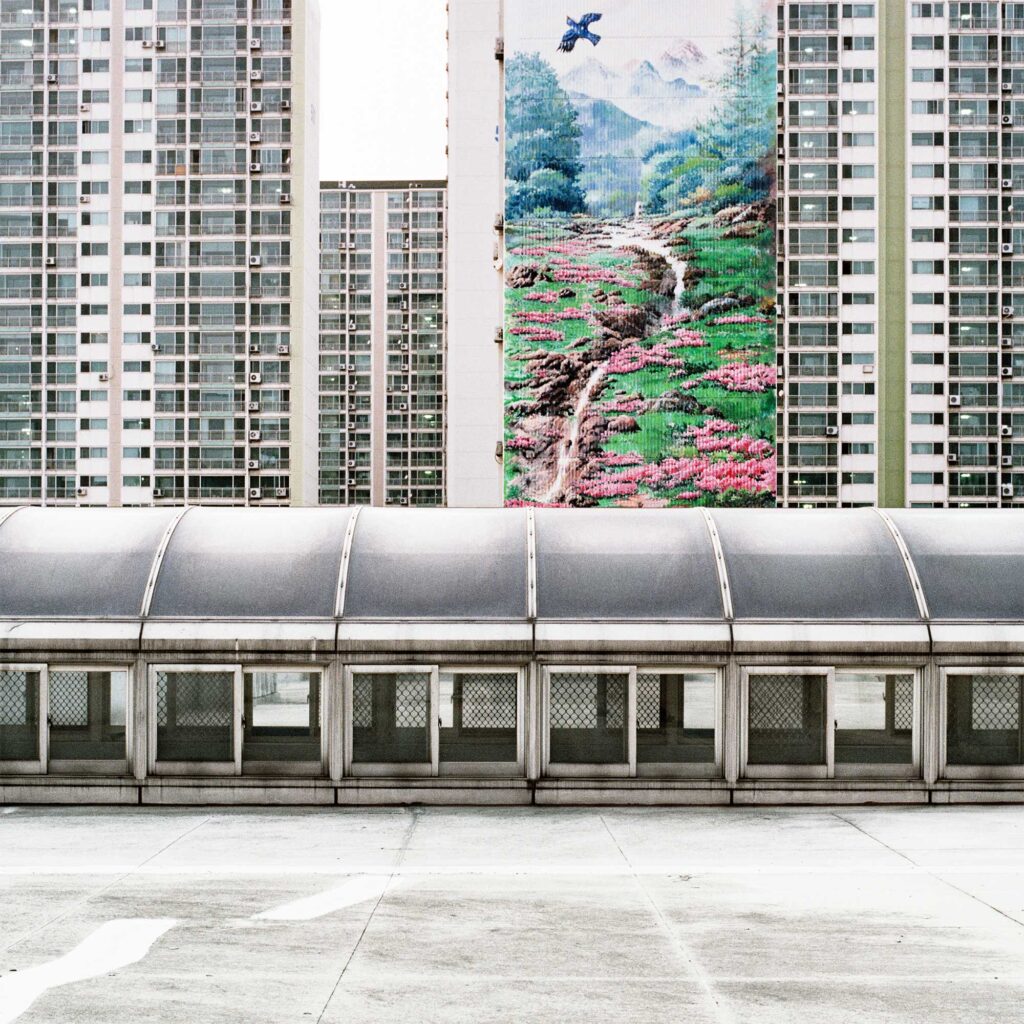
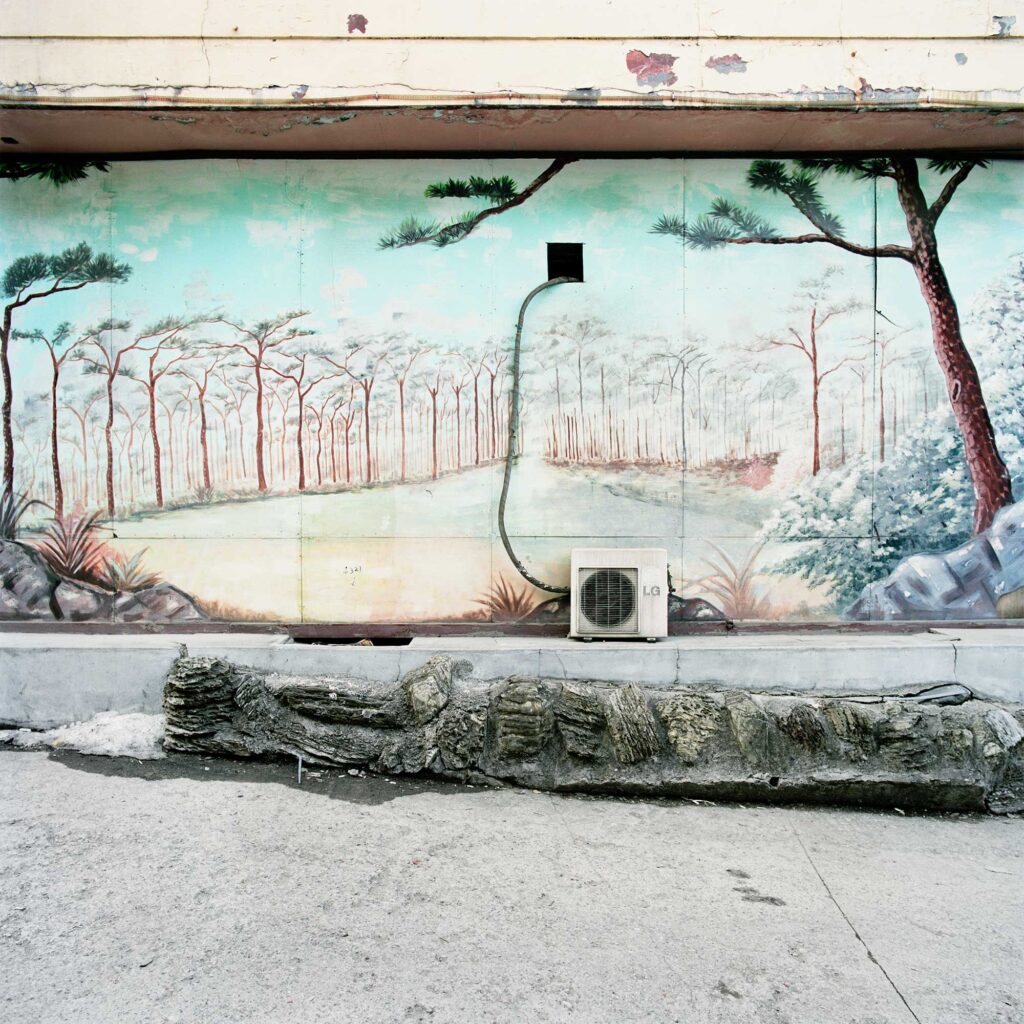
Urban Nature
Urban Nature grew out of my long-term interest in Seoul’s transformation. South Korea is a highly urbanized country, with around 80 percent of the population living in cities. In Seoul, this concentration has led to a steady expansion that blurs the line between urban and rural space.
Through this series, I look at how traces of rural landscapes persist within the built environment. Images of fields, vegetation, and open land appear alongside apartment blocks and façades. Rather than presenting a compact city, the work reflects a spread-out, layered urban condition that continues to redefine itself.
In 2011, Urban Nature received First Prize at the European Architectural Photography Prize. The award is organized by Architekturbild e.v. in collaboration with the German Architecture Museum and has been presented every two years since 1995. The selected works tour Germany and other countries as part of a traveling exhibition.
Zugzwang
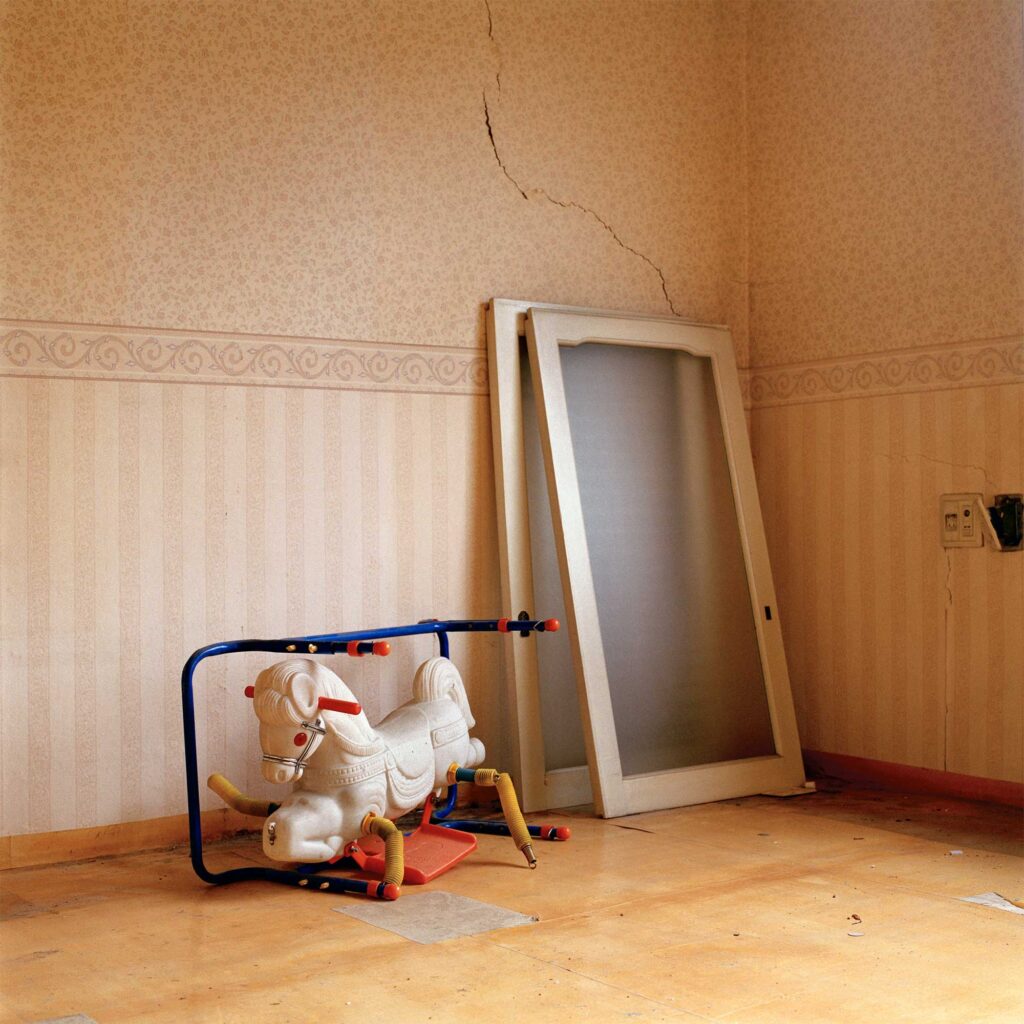
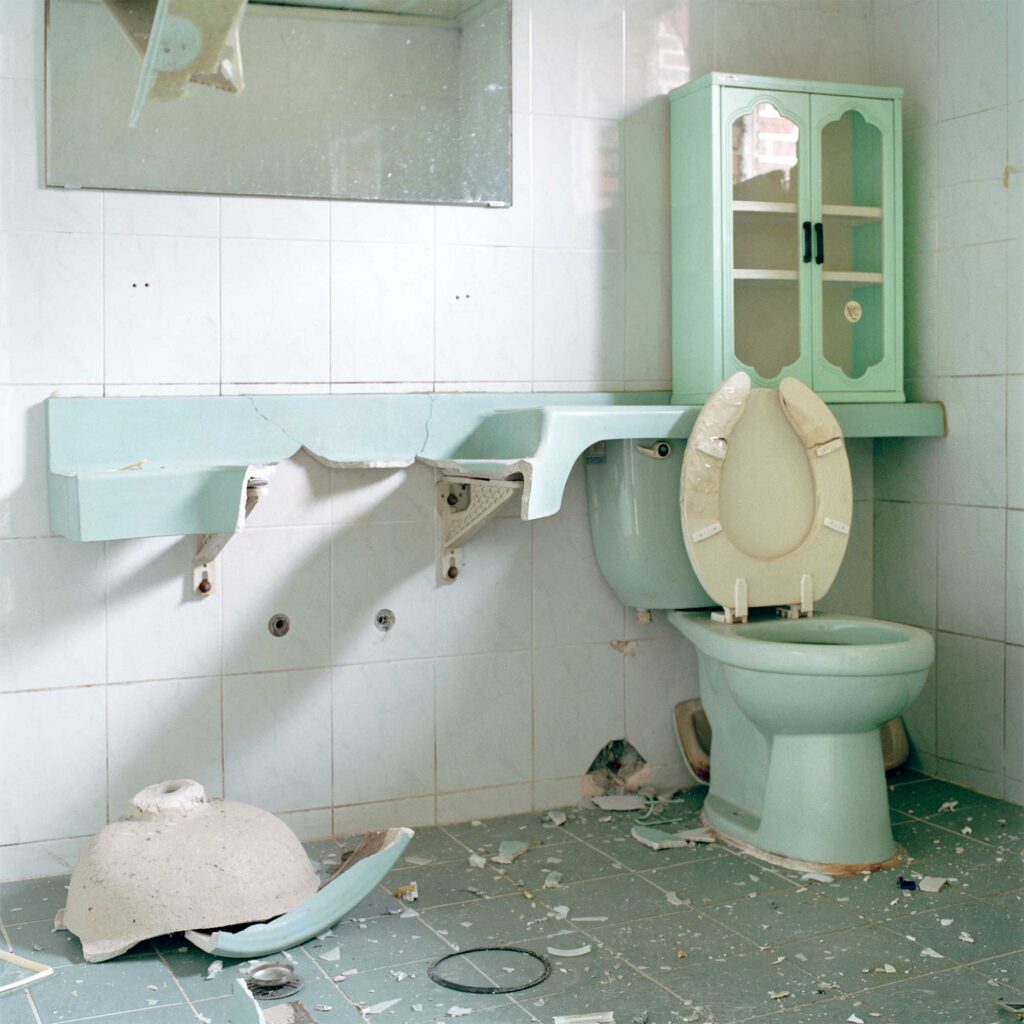
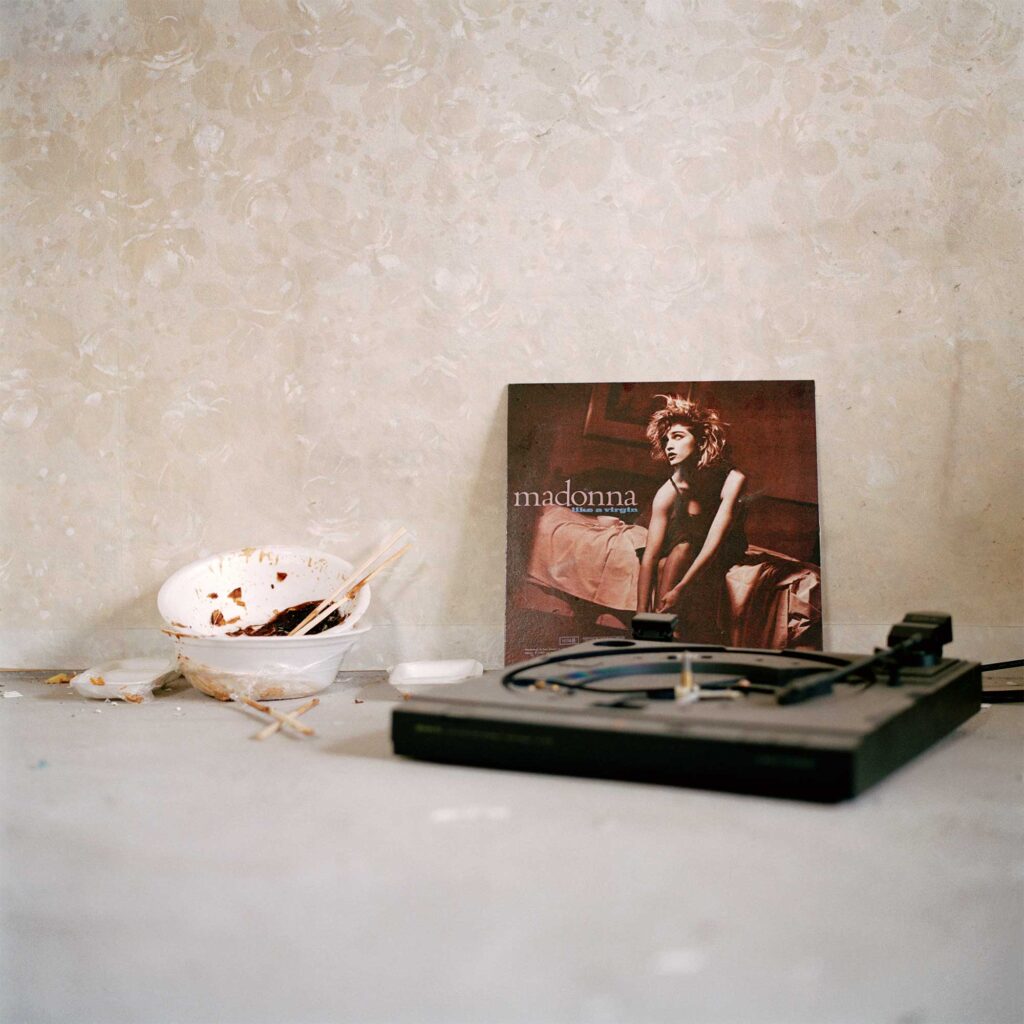
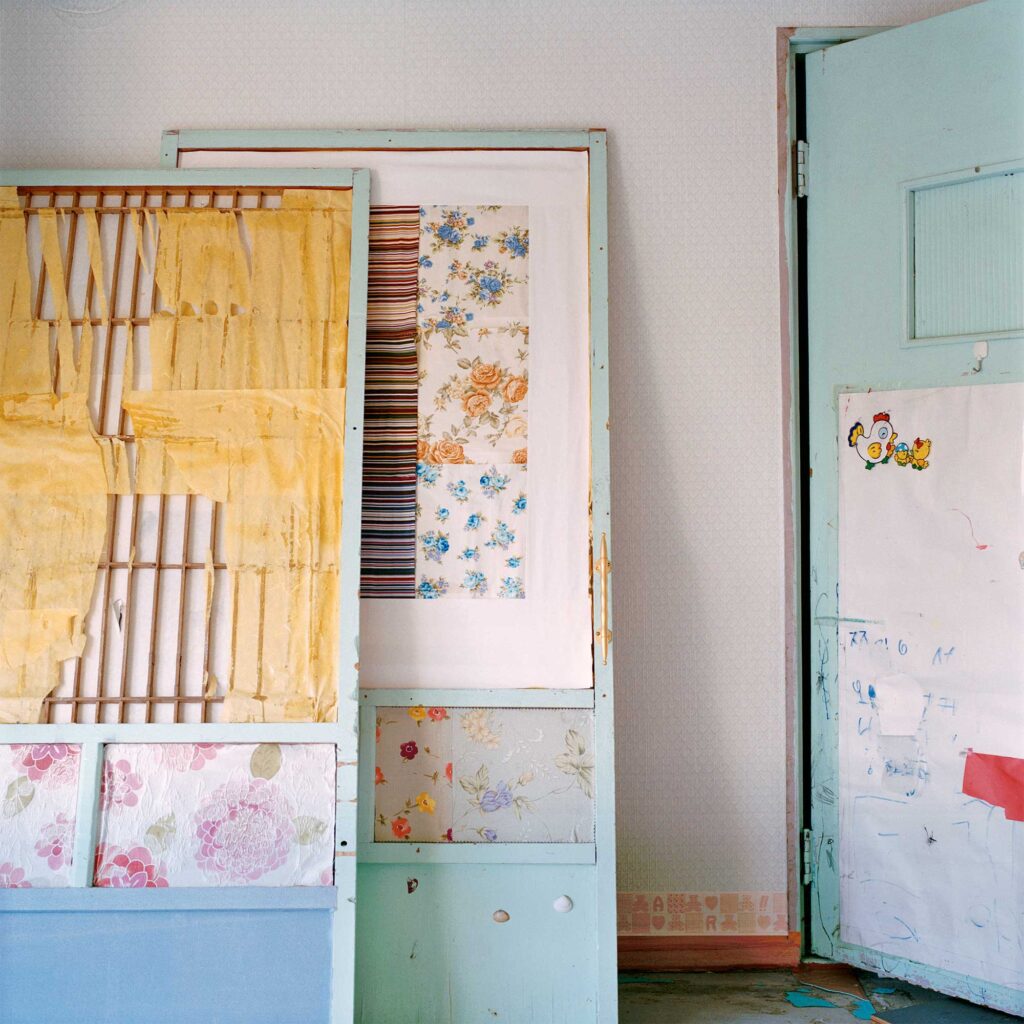
The exhibition also includes highlights from Zugzwang, a personal series I first showed in 2009 at the Topohaus Art Gallery. This work focuses on three neighborhoods in Seoul—Hukseok-dong, Bangbae-dong, and Sangwangsimni-dong—during periods of large-scale redevelopment.
The photographs document areas marked for demolition and the lives affected by rapid apartment construction. Many residents faced relocation as building companies reshaped these districts. The series reflects a broader cultural shift in South Korea since the 1970s, as apartment living became the dominant housing model.
An ongoing visual conversation
distURBANces brings these bodies of work together as part of an ongoing exploration of Seoul’s urban landscape. Rather than offering conclusions, the exhibition looks at transition, displacement, and coexistence. It reflects my attempt to understand how architecture and planning quietly shape daily life in a city that continues to change at a rapid pace.