distURBANces — reading Seoul’s urban fabric
Journalist Paul Kerry recently wrote about my exhibition distURBANces in an article for the The Korean Herald. His piece reflects on how the exhibition engages with Seoul’s changing urban landscape. Shown at the TÜV Rheinland Gallery, the work looks at a city shaped by speed, density, and constant redevelopment.
Working from within the city
I have lived in Seoul since 2005. Over time, the city has become both my subject and my everyday environment. My work grows out of that proximity. Rather than observing from a distance, I photograph and film spaces I move through daily.
Across photography, short films, and music videos, I focus on how architecture, infrastructure, and social behavior intersect. The exhibition brings these strands together and reflects my ongoing attempt to understand how Seoul’s built environment influences the way people live.
Zugzwang — redevelopment and displacement
One of the central works in distURBANces is Zugzwang. This series looks at redevelopment areas across Seoul and the people affected by large-scale construction projects. The photographs show neighborhoods marked for demolition and residents facing relocation.
I chose the title from chess, where zugzwang describes a situation in which every possible move leads to a disadvantage. That idea closely matched what I observed on the ground. Many residents had little control over the changes imposed on their living spaces, despite those changes being framed as progress.
Urban Nature — city and landscape
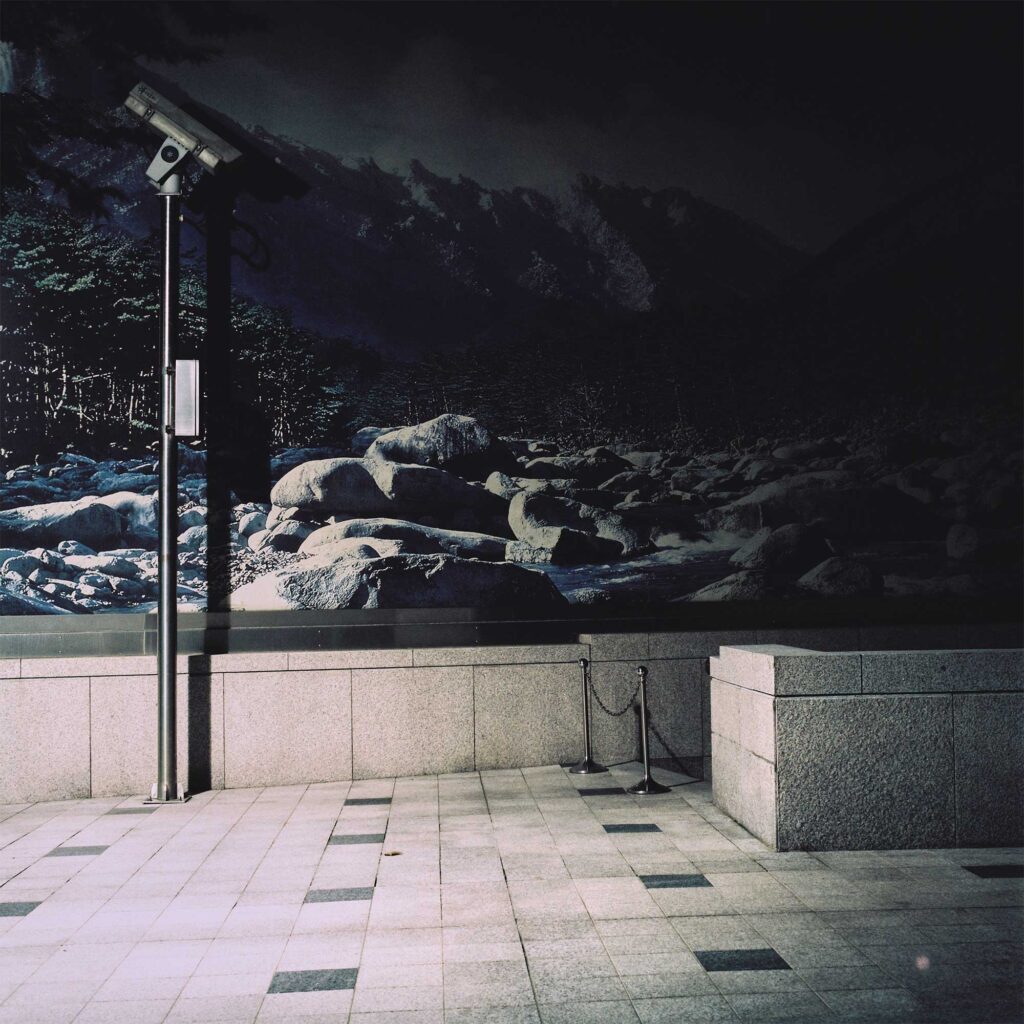
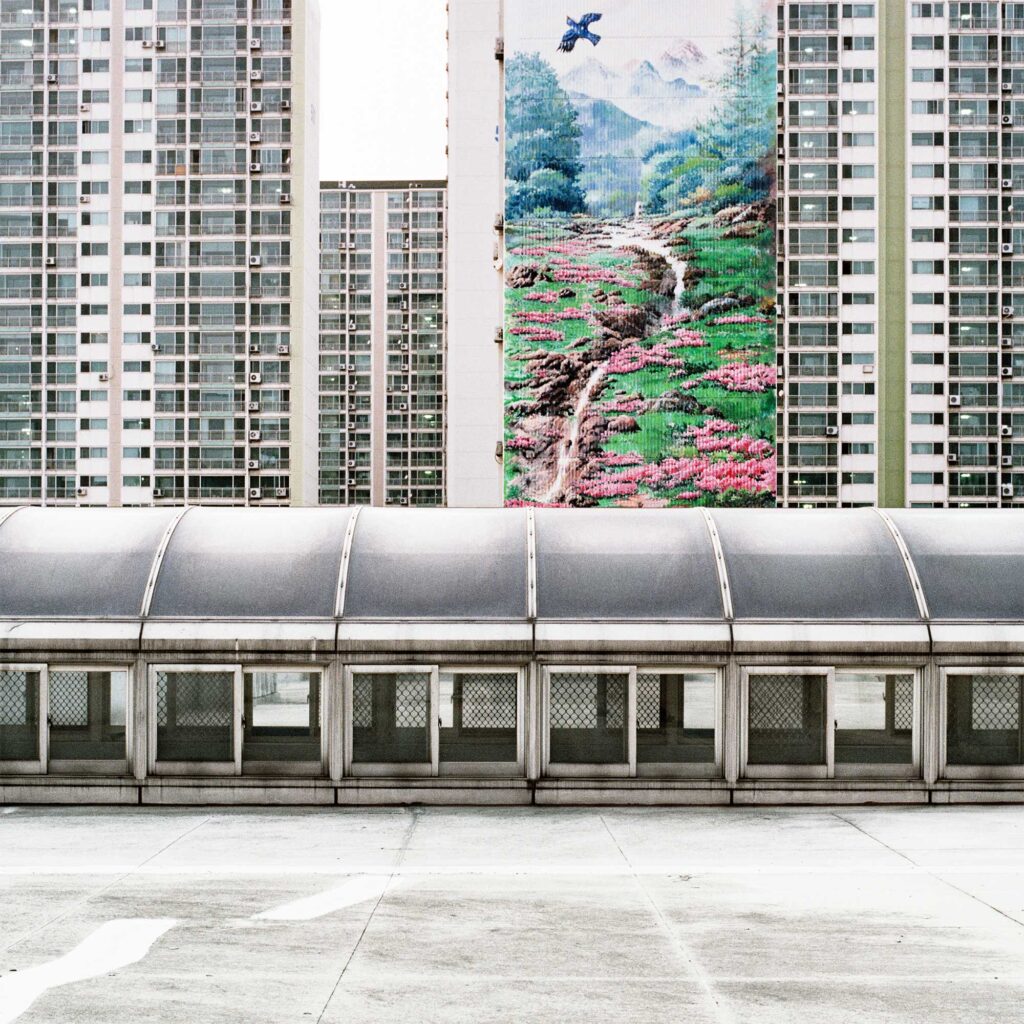
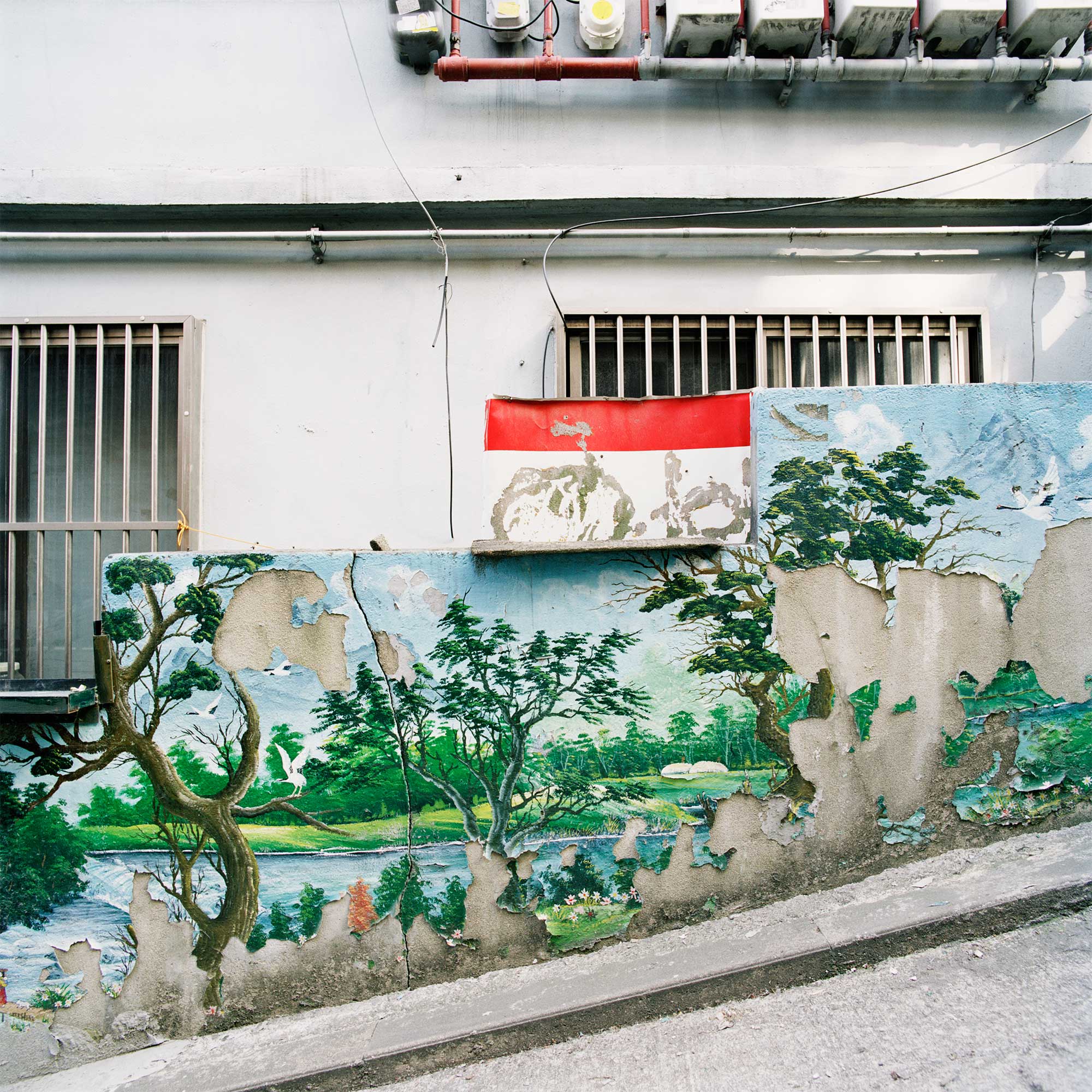
In contrast, Urban Nature focuses on the relationship between Seoul’s expansion and what remains of its rural past. The series looks at how natural elements persist within the urban fabric, often appearing alongside apartment blocks and infrastructure.
Rather than presenting nature as separate from the city, the work shows overlap and tension. These images reflect both growth and loss, as well as a collective longing for landscapes that are slowly disappearing.
Personal reflections
Throughout the exhibition, I return to the idea of home and attachment to place. Urban change does not only affect skylines; it shapes memory, identity, and everyday routines. I try to approach these themes with restraint, allowing the images to hold complexity without explanation.
Photography gives me a way to pause and observe. It allows space for ambiguity and invites viewers to reflect on their own relationship to the environments they inhabit.
An ongoing observation
distURBANces remains open at the TÜV Rheinland Gallery in Seoul. The exhibition does not aim to define the city or offer conclusions. Instead, it presents fragments of an ongoing process. Through these images, I continue to look at Seoul as a city in motion—one that constantly negotiates between development, displacement, and coexistence.