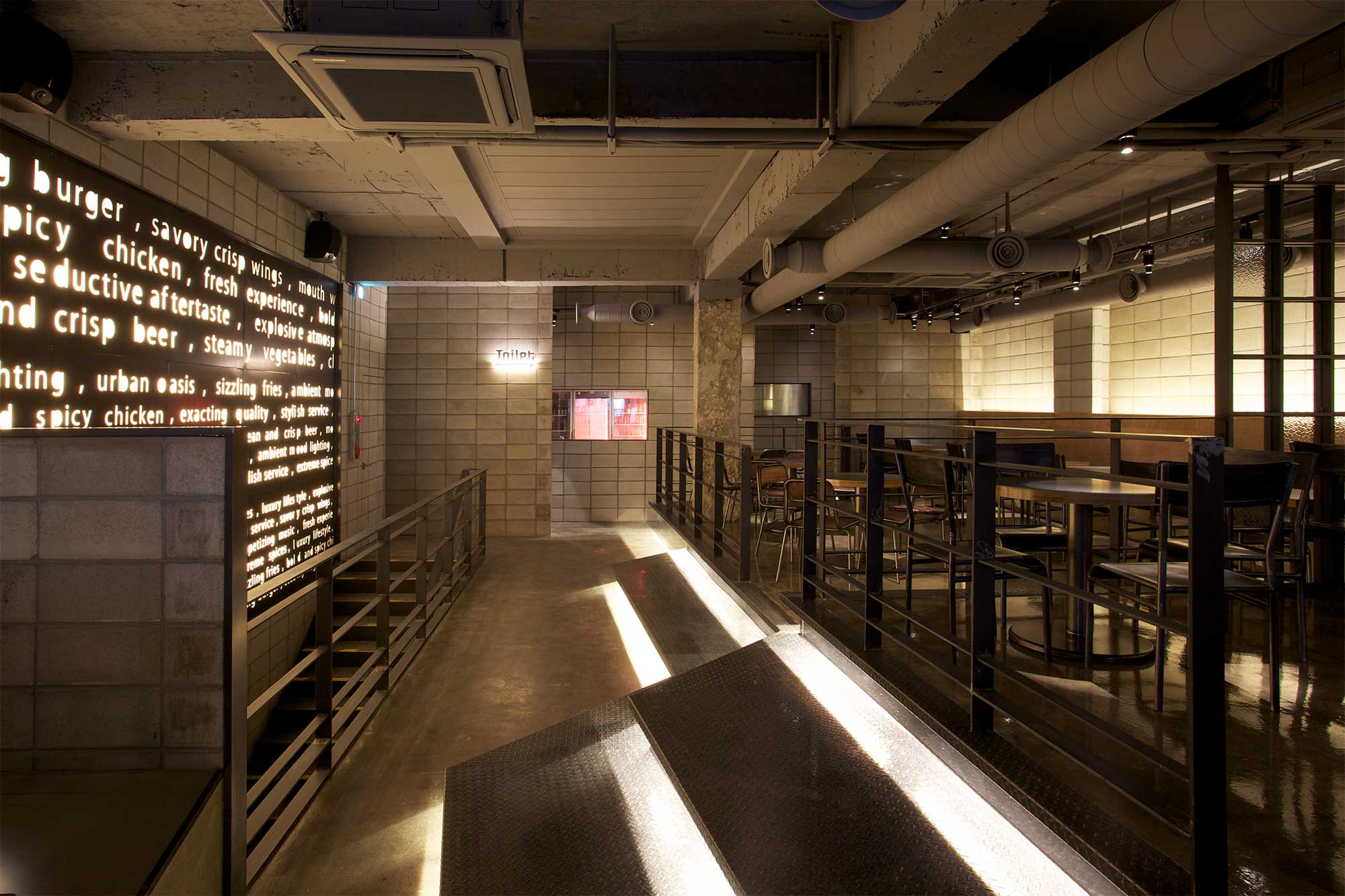
Photographing Warehouse, Seoul
My work on Warehouse began with documenting a space shaped by a clear design idea. The project focused on expressing the venue’s identity through structure and material rather than decoration. American designer Will Craig of Discursive Form worked closely with Seoul-based architects ZABEL + PARTNERS. Together, they chose concrete and metal as the primary materials and removed unnecessary visual elements. In 2012, I was commissioned to photograph the interior architecture of the space.
A space defined by function
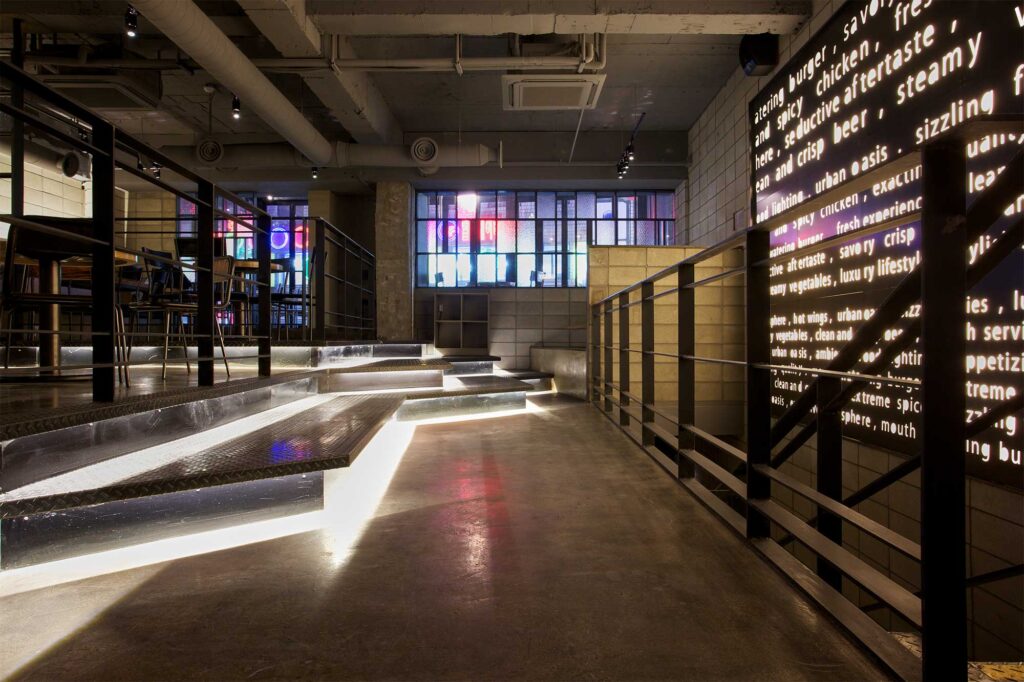
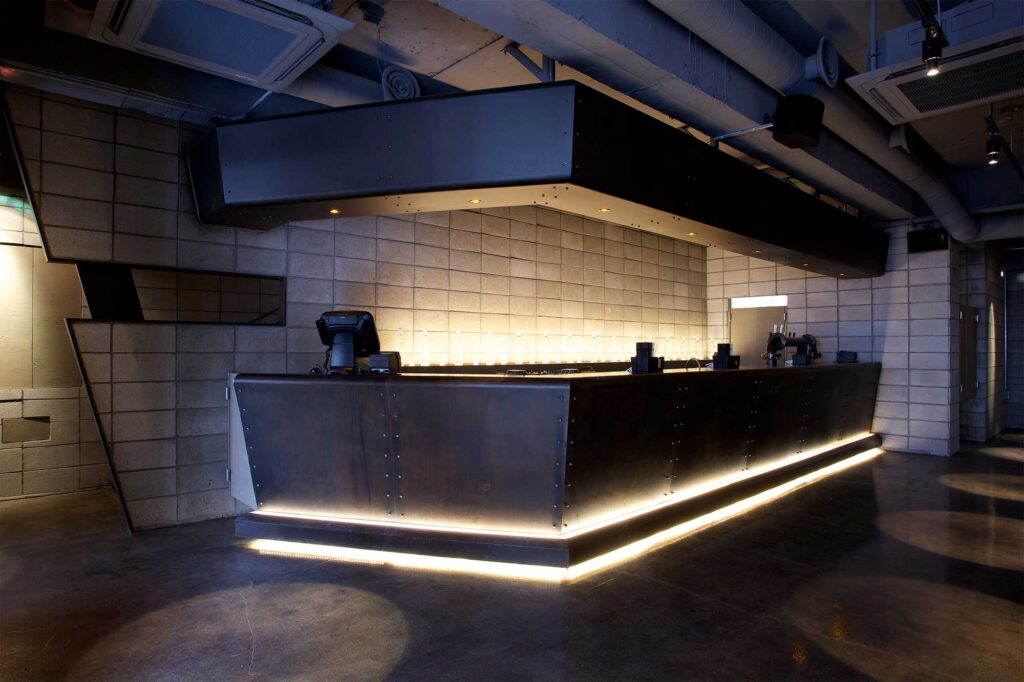
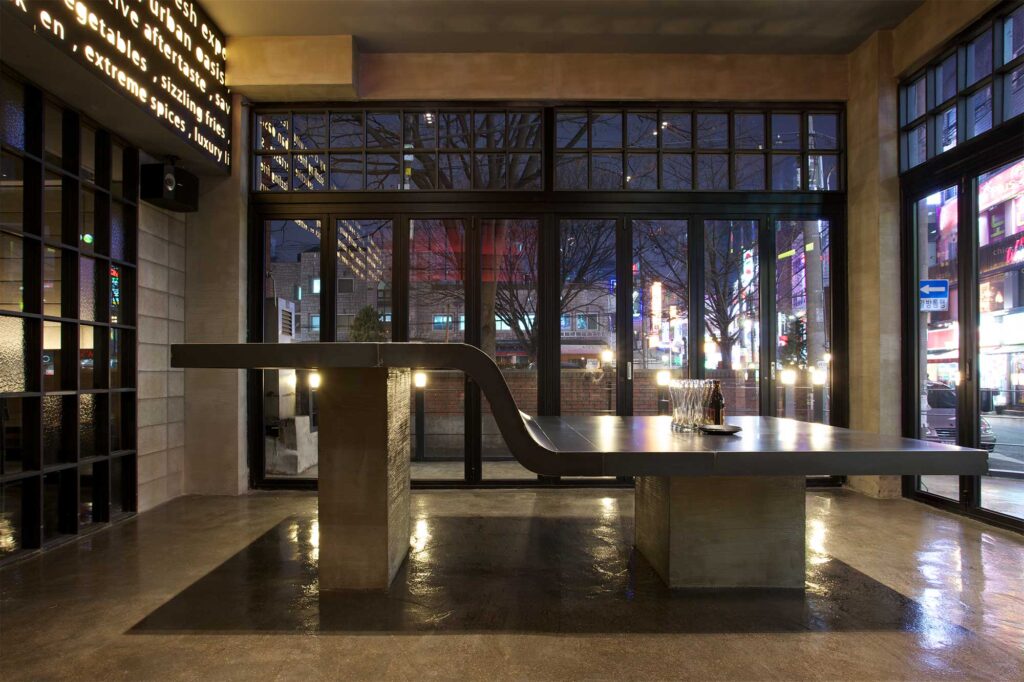
Warehouse stays close to its original purpose. The design reflects this approach by keeping the interior direct and utilitarian. Concrete surfaces and exposed metal define the atmosphere, while decorative features are largely absent. Because of this, the space feels honest and restrained.
This approach sets Warehouse apart from many other pub and restaurant interiors in Seoul. The result is a place where material and structure carry the visual identity.
A redesign and new phase
Later, Warehouse underwent a major redesign. Will Craig returned to the project, this time working with German architect Ralf Zabel. Together, they rethought the interior while keeping its core character intact. Their collaboration introduced a new spatial rhythm and a clearer sense of flow.
As the commissioned photographer, I documented this updated version of the space. My focus remained on how materials, light, and proportion shaped the experience of the interior.
The idea behind Warehouse
Warehouse was founded by New Yorker Jason Choi with the aim of offering good food and a relaxed atmosphere at accessible prices. The redesign supports this idea. It improves comfort and clarity without turning the space into something exclusive or formal.
Because of this, the architecture supports everyday use rather than spectacle.
Documenting the space
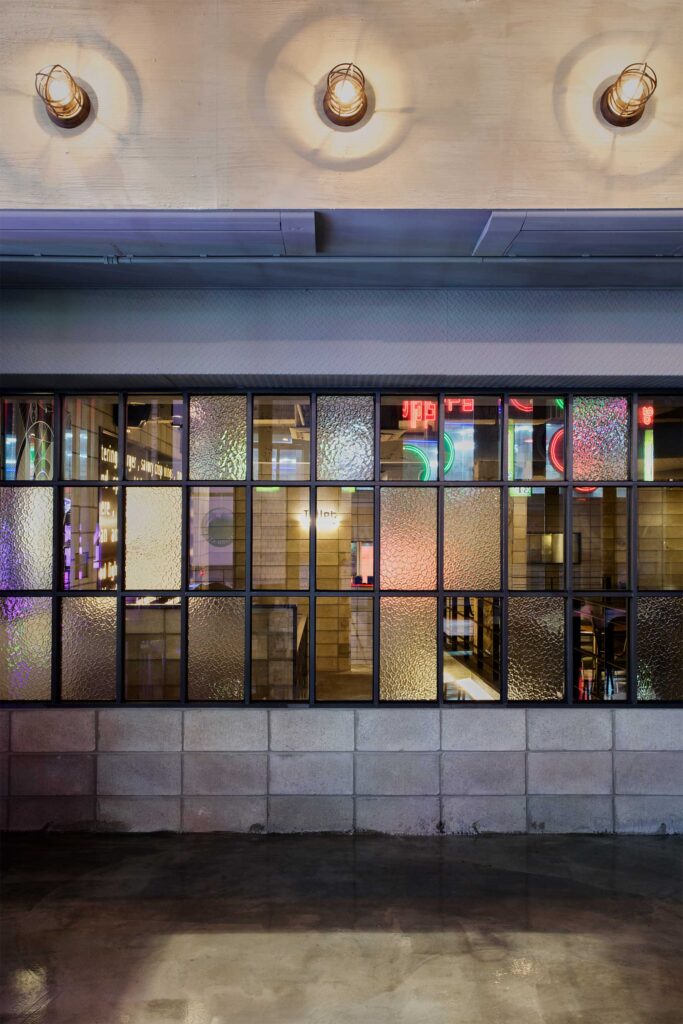
When photographing Warehouse, I approached the project as a study of structure and intention. I focused on transitions between rooms, surface details, and the way light interacts with concrete and metal. Through these images, the design process becomes visible without explanation.
About the collaborators
Will Craig works across architecture, fashion, set design, and lighting. His background includes a Master of Science from Columbia University, which informs his structured and concept-driven approach.
ZABEL + PARTNERS has been based in Seoul since 2008. The firm works across architecture, interior design, project management, and construction supervision. Their involvement ensured that the design concept translated clearly into the built space.
An ongoing record
This photographic series documents one moment in the life of Warehouse. Rather than presenting a final statement, the images record a process—one shaped by collaboration, material choices, and a shared understanding of function. Through this work, I aimed to capture how architecture can remain direct, accessible, and closely tied to its purpose.