GS Caltex Pavilion — Yeosu Expo
I photographed the GS Caltex Pavilion at the Yeosu Expo in South Korea. The project was commissioned by the German architecture studio Atelier Brueckner, who designed the pavilion as part of the Expo’s focus on energy and the future. My role was to document the architecture and translate its ideas into still images.
First impressions
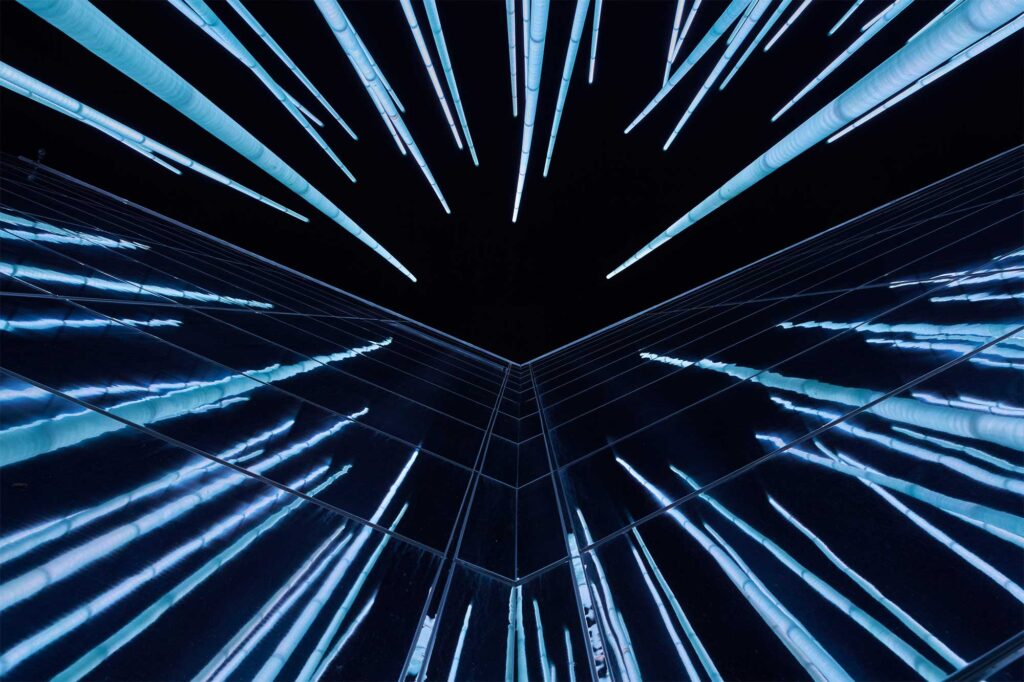
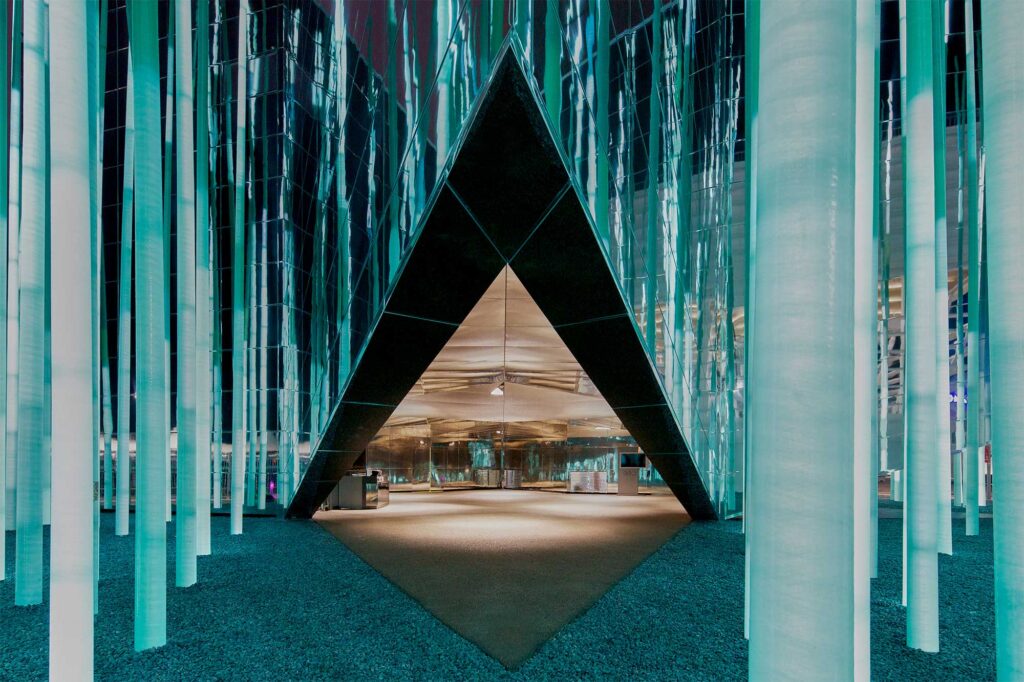
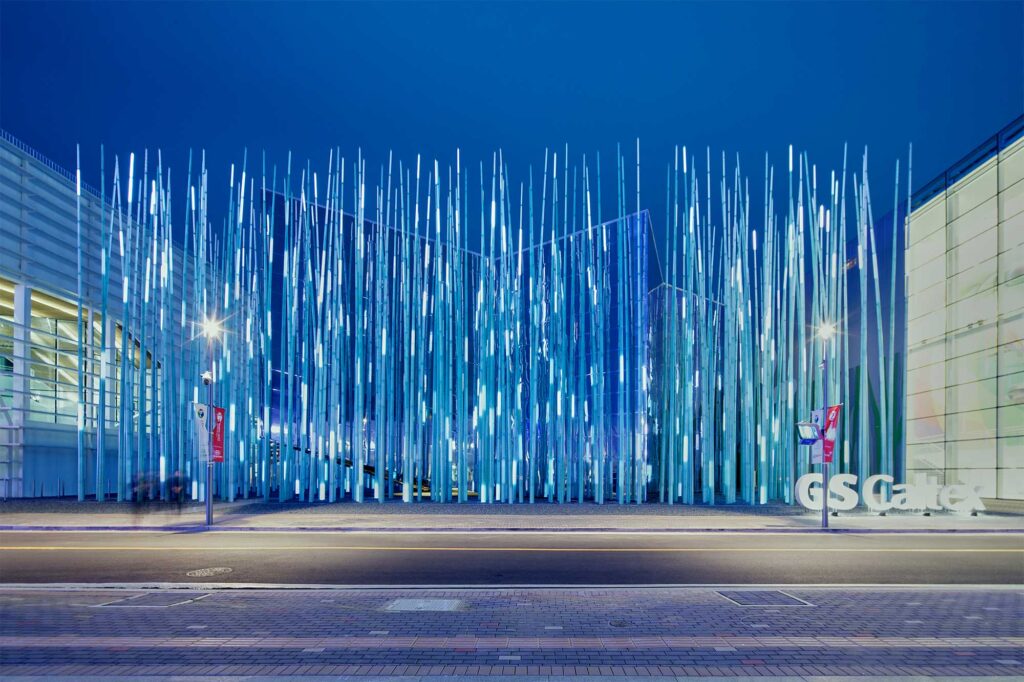
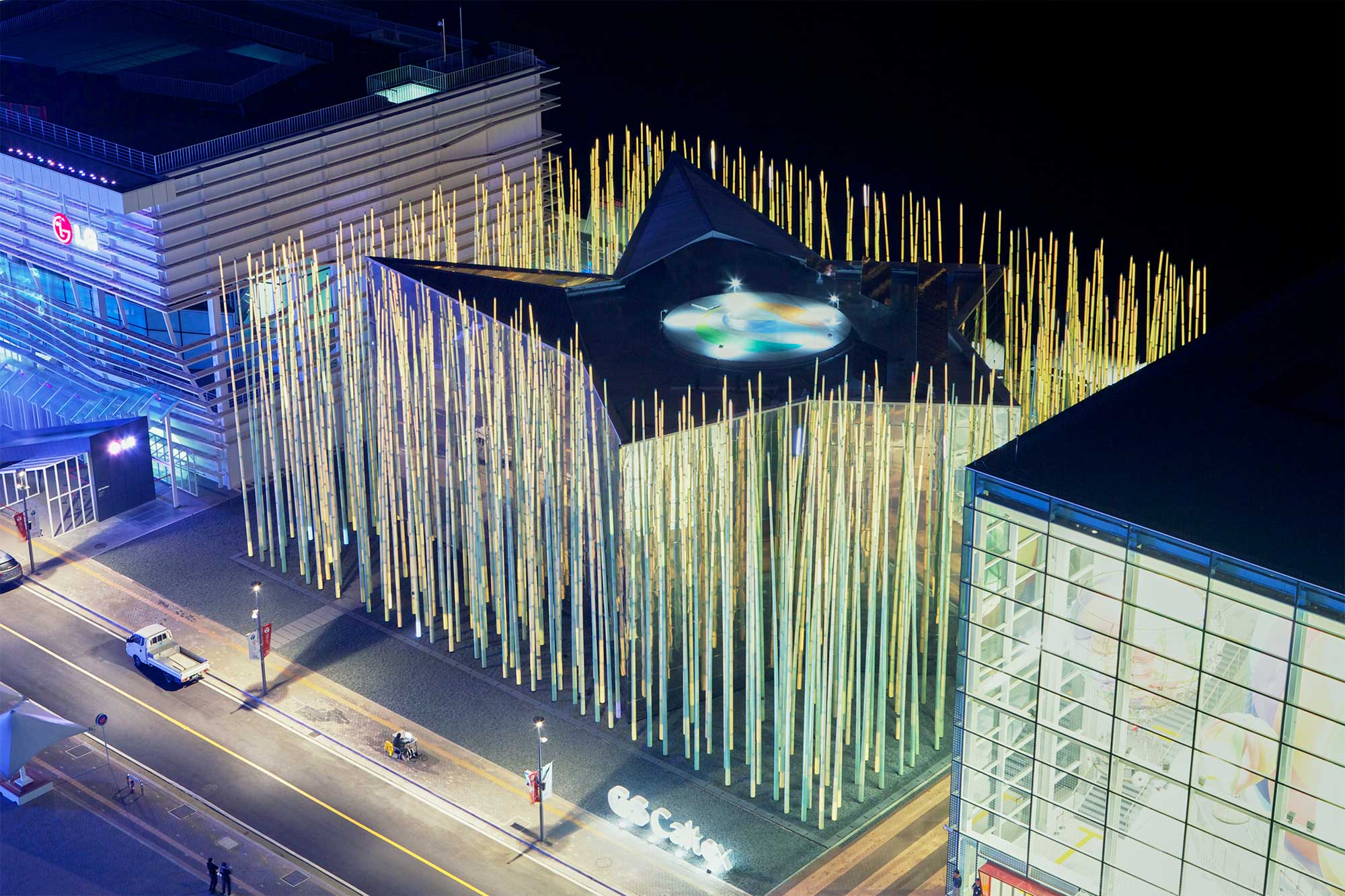
Within the larger Expo site, the pavilion stood out through its scale and movement. From a distance, it appeared like an abstract landscape rather than a conventional building. The structure consisted of tall, blade-like elements, each around eighteen meters high. Their arrangement recalled a rice field, shifting gently and reacting to touch through light.
This interaction formed a key part of the concept. The illuminated blades referenced energy use and sustainability without relying on explanation or text.
Spatial experience
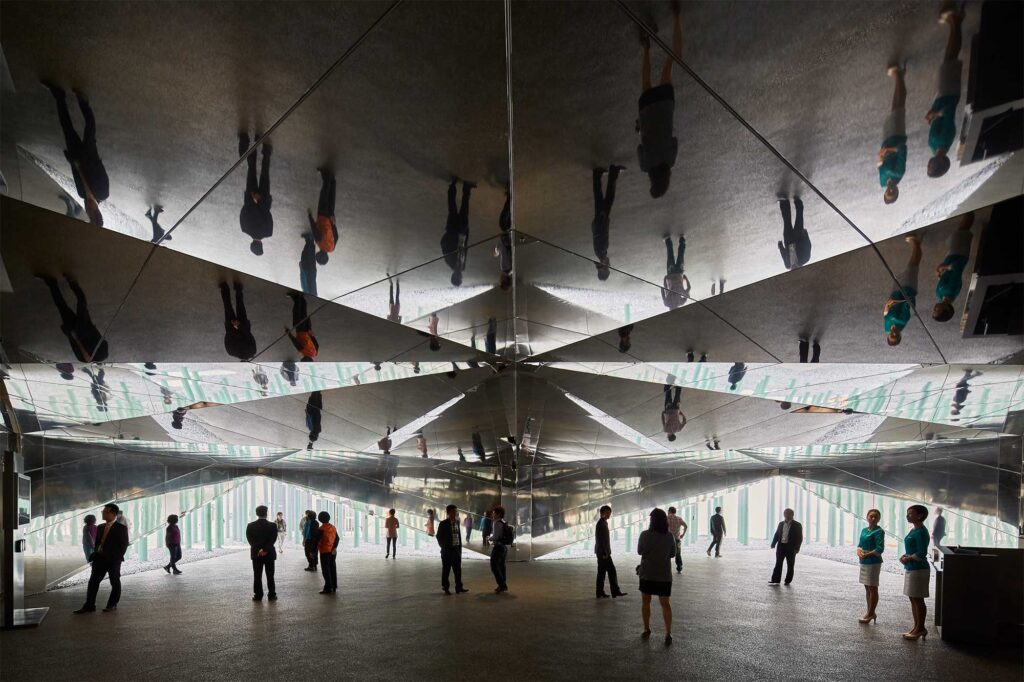
At the center of the installation sat a star-shaped building, surrounded by mirrored surfaces. The reflections multiplied the space and created a sense of connection between visitors and structure. Movement through the pavilion felt continuous rather than directional.
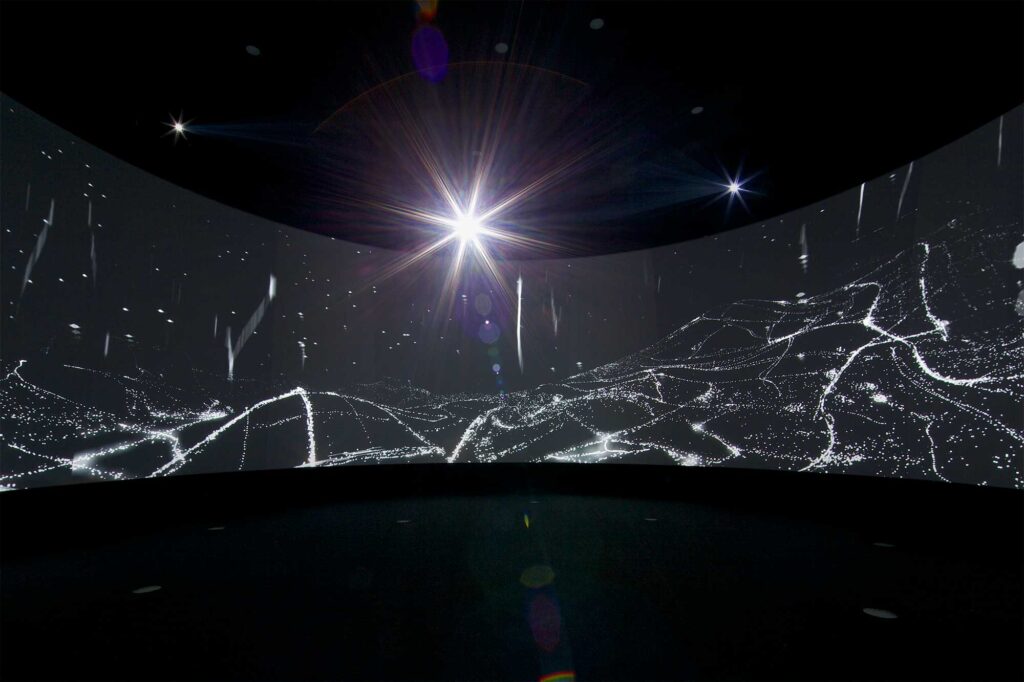
On the upper level, a circular room rose seven meters in height. Panoramic projections filled the space and immersed visitors in visual narratives around energy and future systems. From a photographic perspective, this required careful attention to scale, reflection, and perspective.
Photographing the project
When documenting the pavilion, I focused on how the architecture behaved rather than how it presented itself. I photographed the blades in motion, the changing light, and the way reflections altered perception. The aim was to show how the space responded to people and environment.
The images were later used as part of the pavilion’s award submissions. The project received multiple international design awards, including the RED DOT DESIGN AWARD, the iF Award, and the ADC Award.
Looking back
The Yeosu Expo has long since closed, but the GS Caltex Pavilion remains a strong example of how architecture can communicate complex ideas through form and experience. My photographs serve as a record of that moment. Rather than celebrating spectacle, they document how design, technology, and movement came together to shape a temporary yet lasting architectural statement.