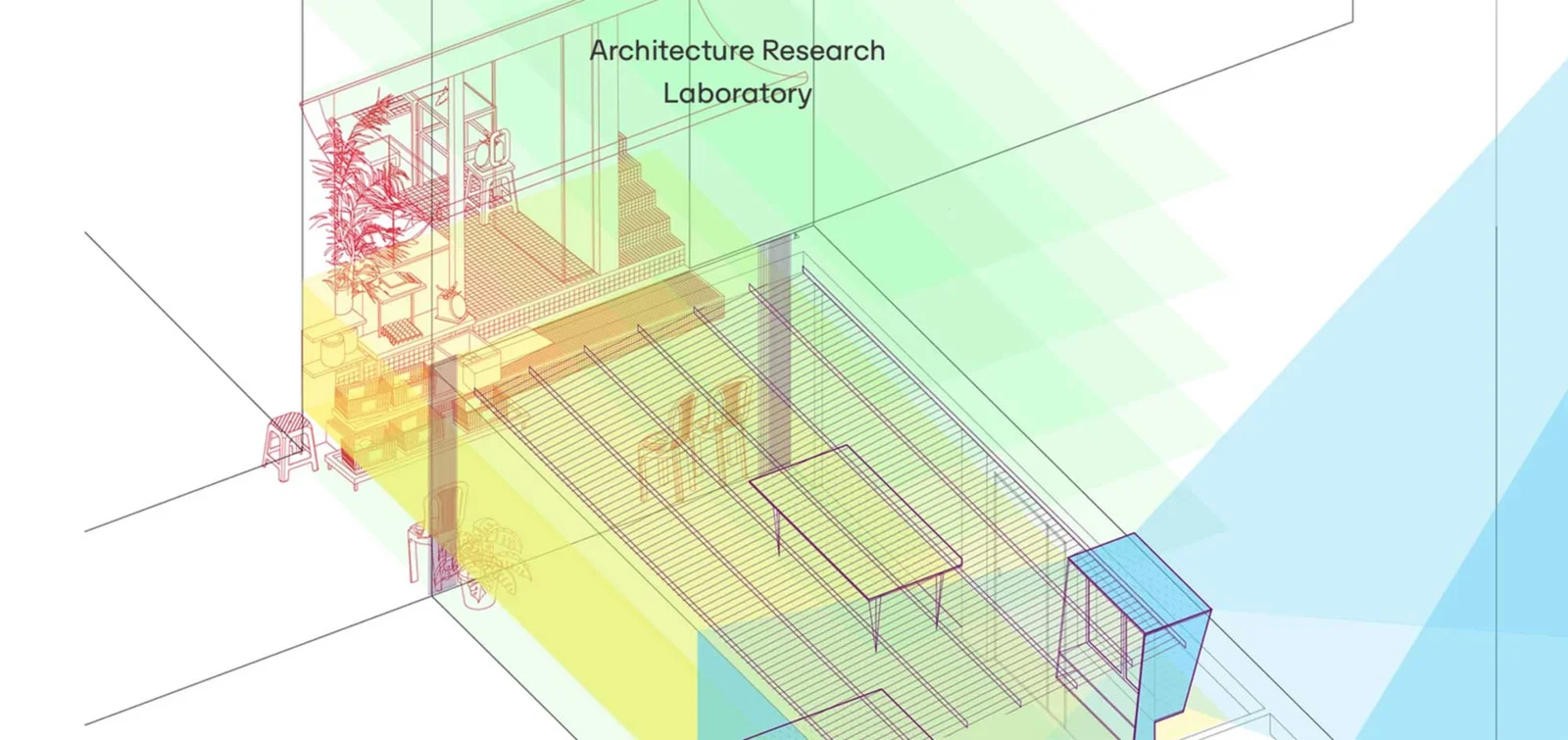
Borio-Lab — urban research and liminal space
I was invited to present my work at the Seoul conference of Borio-Lab, formerly known as Parallel-Lab. The laboratory was founded by Géraldine Borio and is based in Hong Kong. Its work focuses on architectural research and urban conditions in Asian cities, with a particular interest in spaces that sit between defined functions.
The Seoul conference
My contribution focused on photographic and film work that examines urban landscapes through long-term observation. Rather than presenting finished statements, I shared ongoing projects and questions that emerge from working within dense and rapidly changing cities.
Working with liminal space
At the core of Borio-Lab’s research lies a clear interest in liminal space. These are areas such as buffer zones, thresholds, and leftover spaces shaped by infrastructure and daily use.
Rather than filling these areas or removing them, Borio-Lab studies how they function. In doing so, the lab explores how architecture connects to movement, behavior, and social context. This approach values ambiguity and observation over formal solutions.
A collaborative approach
Borio-Lab works through collaboration. Each project brings together architects, researchers, and university students. Together, they conduct fieldwork in different Asian cities.
Because of this structure, multiple viewpoints shape each investigation. Research, teaching, and practice remain closely connected throughout the process.
Leadership and direction
Géraldine Borio leads the lab with a strong focus on research and knowledge exchange. Her background in Swiss architecture and her academic work inform the lab’s direction. In addition, publication and documentation play an important role in extending the research beyond individual projects.
An open exchange
The Seoul conference reflected Borio-Lab’s wider approach. It encouraged discussion rather than conclusions. Through talks and shared work, participants explored how architecture relates to urban life and social responsibility.
For me, the event offered a chance to place my own work within a broader conversation. It also reinforced the value of looking closely at cities—not to define them, but to better understand how they function over time.