Urban Island — observing life at the margins
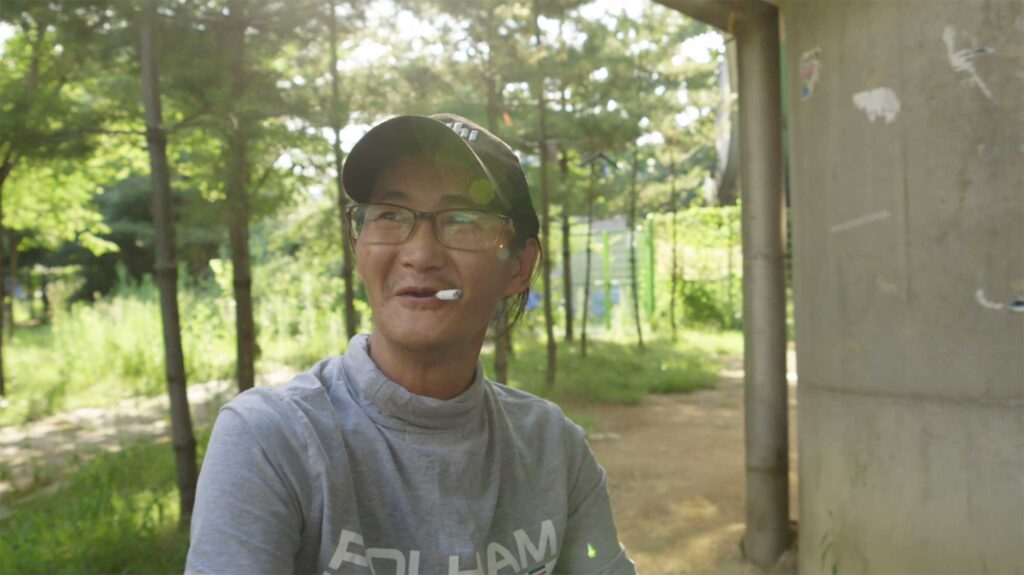
URBAN ISLAND is a short music-driven documentary I developed together with Namhui Park, based on the song Varúð by SIGUR RÓS. The film follows the daily life of a homeless man who has lived on the streets of Seoul for many years.
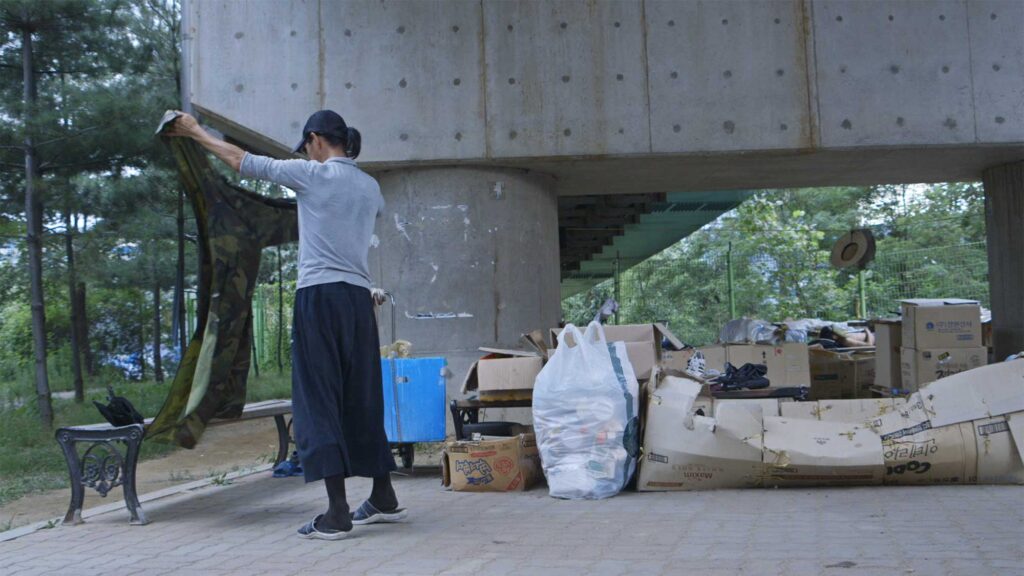
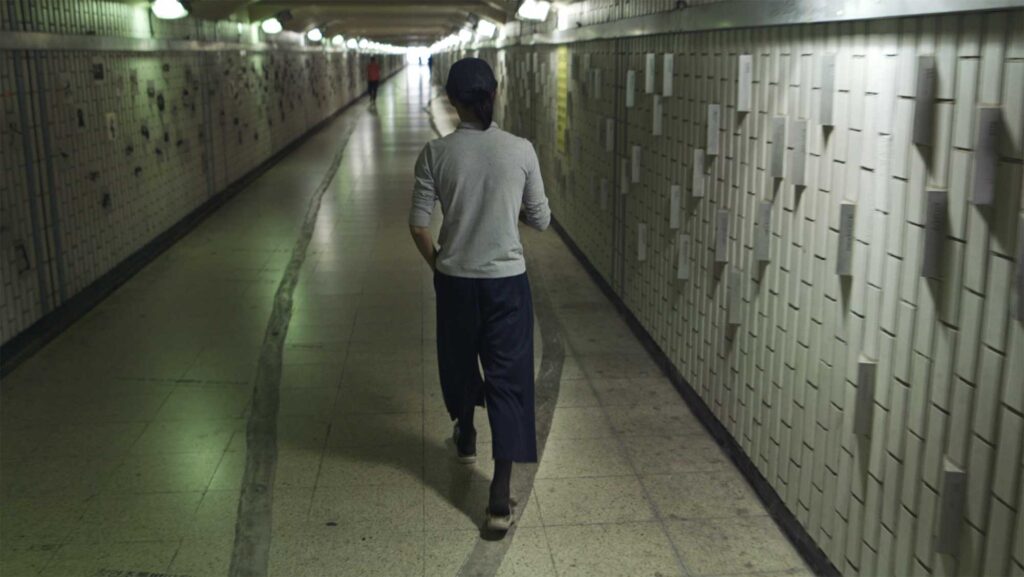
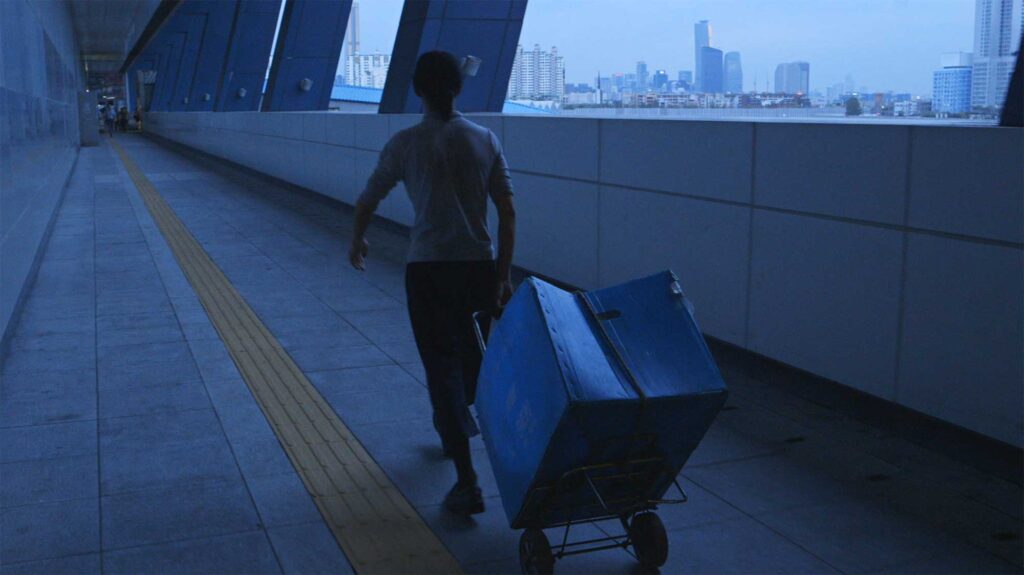
He is part of a small group living near the train tracks around Yongsan Station. He supports himself by collecting recyclable materials and avoids charity. Rather than explaining his situation, the film stays close to his routine and presence in the city.
A place between refuge and exclusion
A small park near Yongsan Station plays a central role in the film. For people living on the street, it offers rest and a degree of safety. At the same time, it marks a clear boundary between those who belong and those who do not.
I approached this place as a kind of island within the city. It exists inside public space, yet remains separate from everyday urban life. The film asks whether such places function as refuge, exclusion, or both at once.
Making the film
Urban Island grew out of a shared interest in observing without judgment. Namhui Park and I worked together as co-directors. In addition, I took on cinematography, editing, and color grading. We kept the production small and focused, allowing time and proximity to guide the process.
The music by Sigur Rós shapes the rhythm of the film. Its slow pace and layered sound support the images without directing meaning. Instead, the music creates space for reflection.
Screenings and response
The film premiered as part of a group exhibition at Culture Station Seoul 284. It later received the First Prize Audience Award at the 7th Premiers Courts International Film Festival in 2012. The project was also shortlisted for the 2013 Film Grant Award of the Manuel Rivera-Ortiz Foundation.
An open observation
Urban Island does not aim to explain homelessness or offer solutions. Instead, it invites viewers to slow down and look closely. By focusing on everyday presence rather than narrative, the film reflects on how cities treat those who live at their edges—and how easily they remain unseen.