Urban Island — screening at Premiers Courts
URBAN ISLAND was selected for the official program of the Premiers Courts, where it screened on November 21. The film sits between documentary and music video and was developed together with Namhui Park. It is set to the song Varúð by SIGUR RÓS.
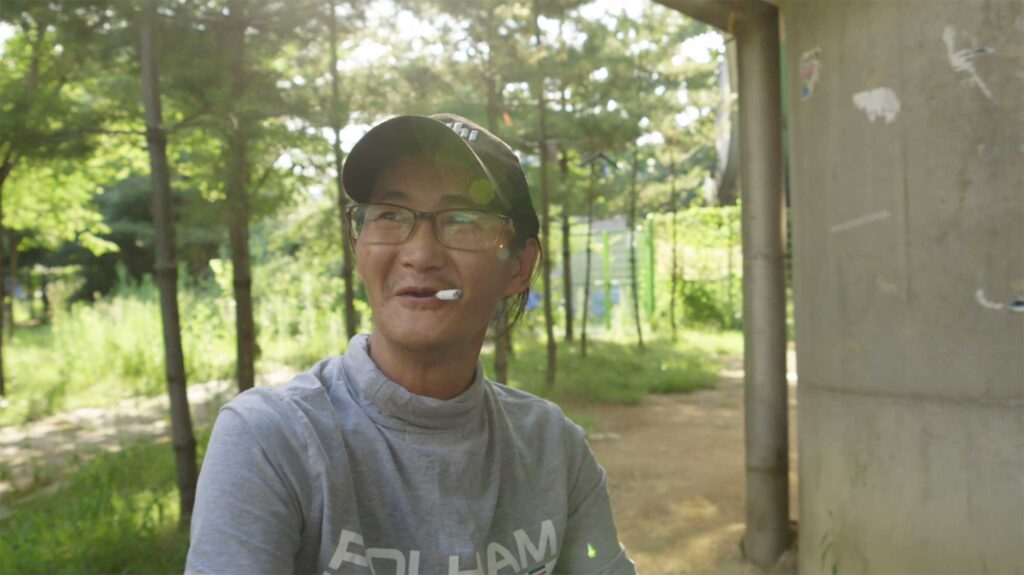
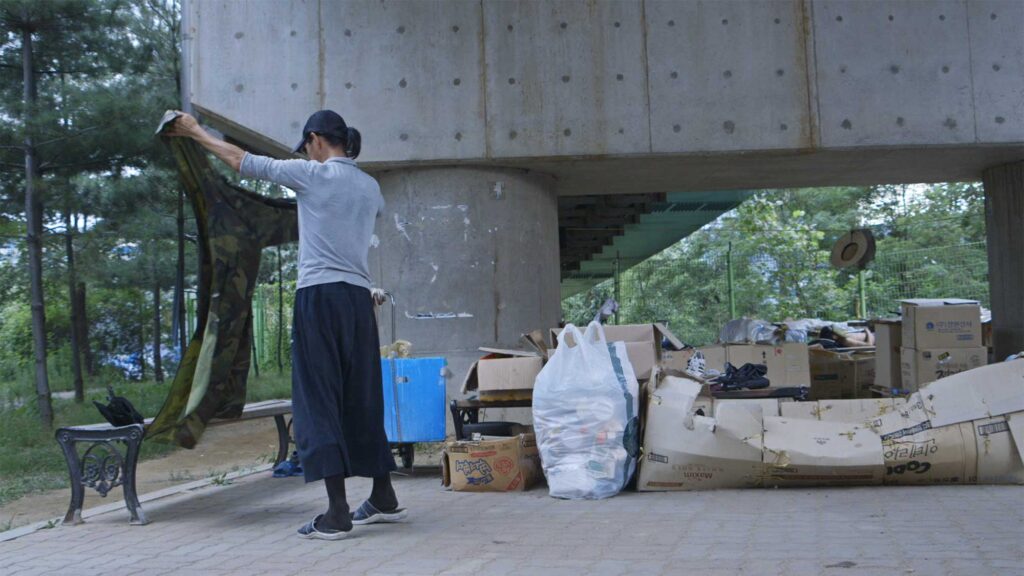
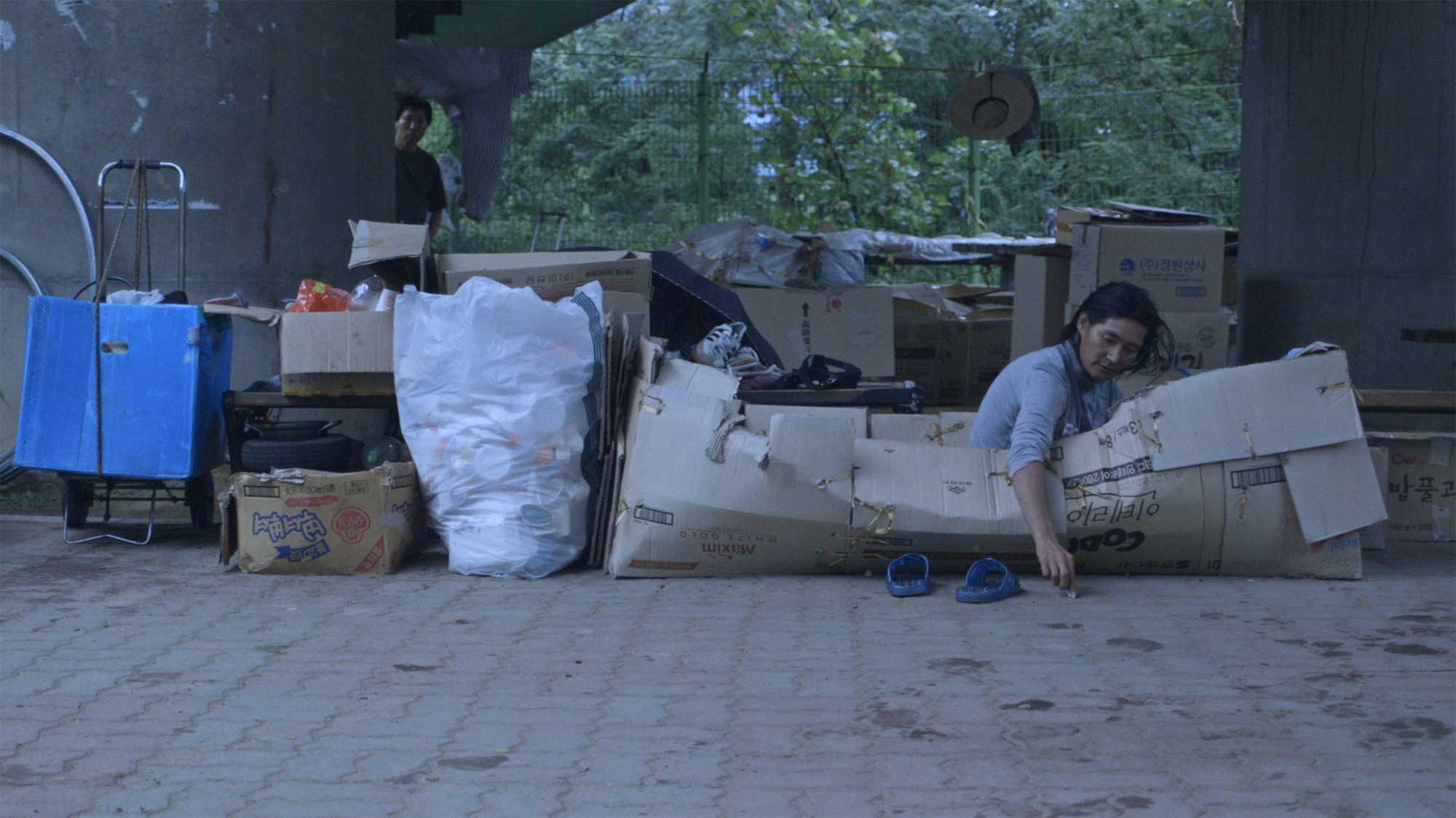
The film follows a homeless man in his forties who has lived on the streets of Seoul for more than eight years. Rather than explaining his situation, the film observes his presence within the city.
Observing life at the margins
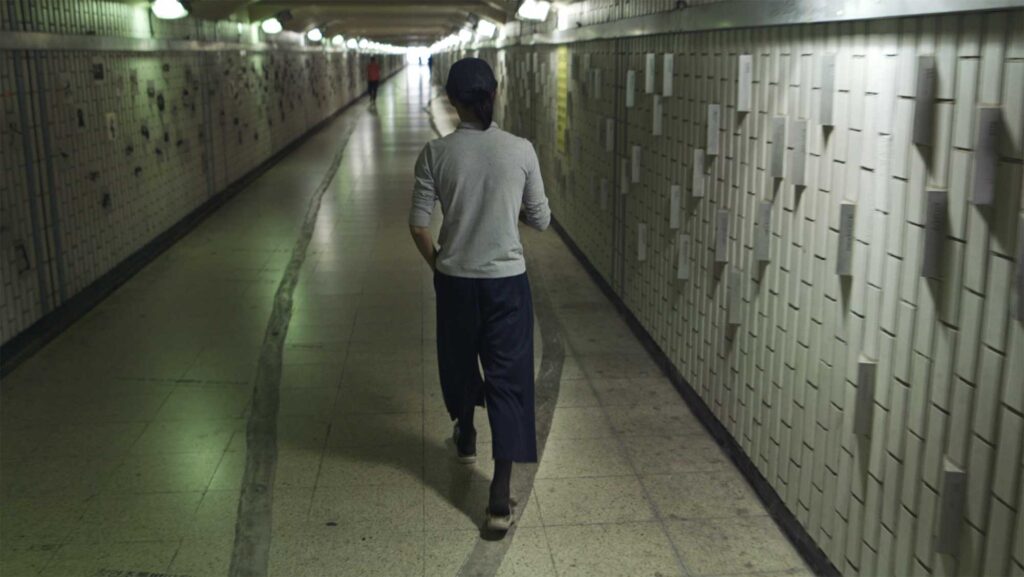
Urban Island focuses on everyday routines rather than events. It looks at how a person lives within public space while remaining excluded from it. A small park near Yongsan Station becomes a key location in the film. For people living on the street, it offers rest and temporary safety. At the same time, it marks a clear boundary within the city.
I approached this place as both refuge and exclusion. The film stays with that tension instead of resolving it.
Working as a duo
Namhui Park and I worked together as co-directors. In addition, I took on cinematography, editing, and color grading. We kept the production process small and flexible, which allowed us to work closely and respond to the environment as it unfolded.
The film first premiered as part of a group exhibition at Culture Station Seoul 284. It was later shortlisted for the 2013 Film Grant Award by the Manuel Rivera-Ortiz Foundation.
Music and atmosphere
The music by Sigur Rós shapes the rhythm and emotional space of the film. Its slow tempo and layered sound support the images without directing interpretation. Rather than illustrating meaning, the music allows distance and reflection.
On the festival screening
Screening Urban Island at Premiers Courts placed the film in a new context and allowed it to reach a different audience. The festival setting emphasized the project’s position between documentary observation and music-driven structure.
For me, the screening marked another step in an ongoing exploration of how film can quietly address social realities—by looking closely, without commentary, and by allowing space for the viewer to engage on their own terms.