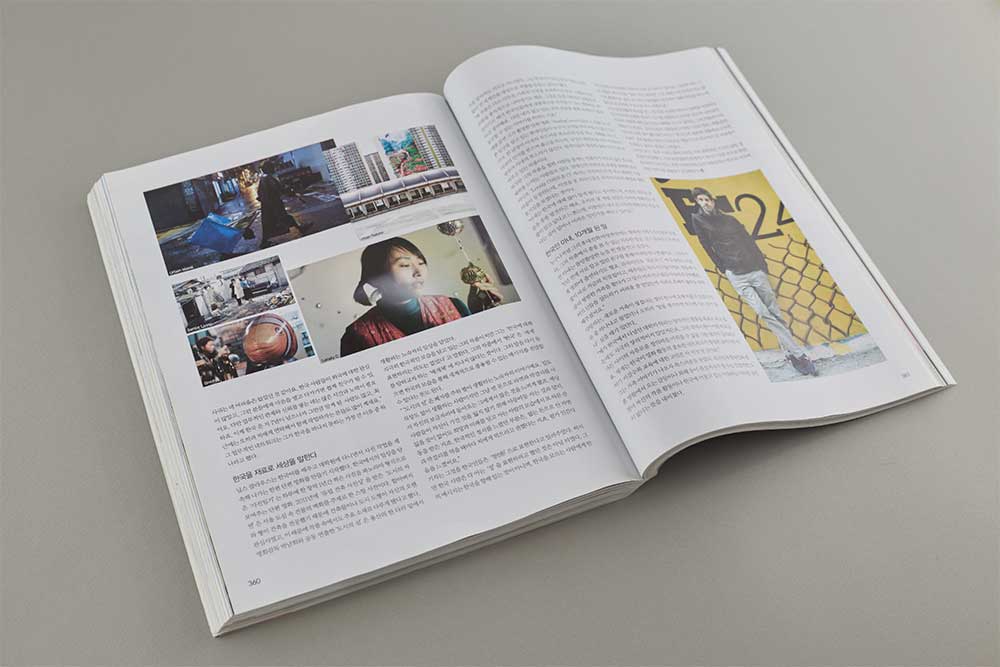
Feature in WOMAN DONGA — Working in Korea as a Filmmaker and Photographer
In May 2013, WOMAN DONGA featured my work in its print edition (No. 593, pp. 358–361). The article looked at my practice in photography and film, and at my experience of living and working in Korea as a foreign artist.
Working with Place
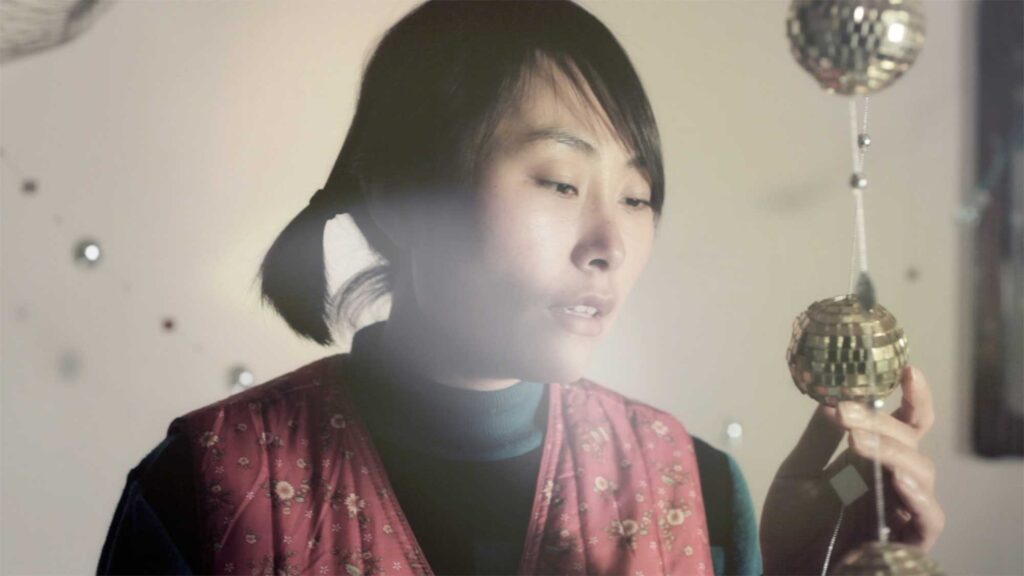
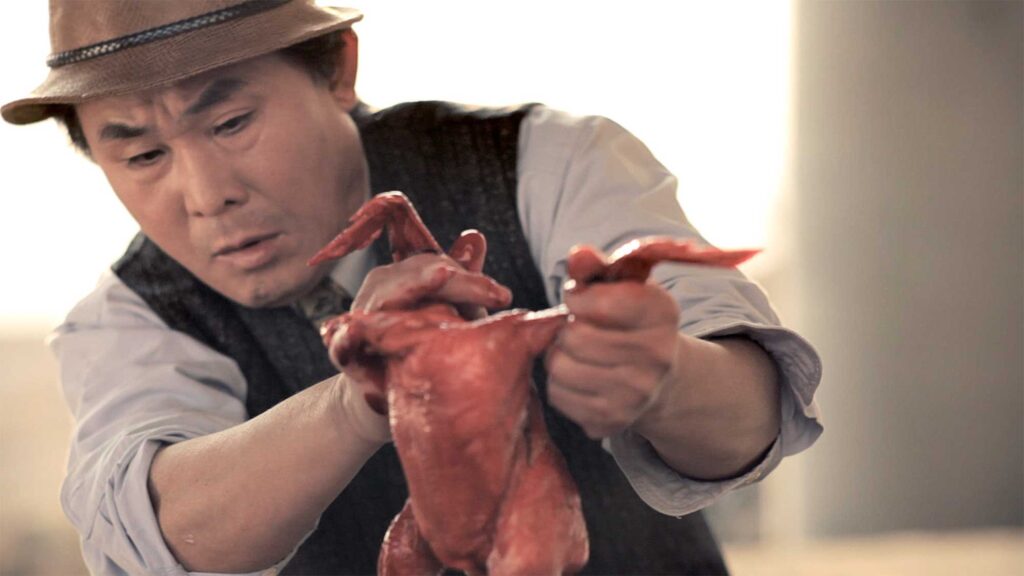
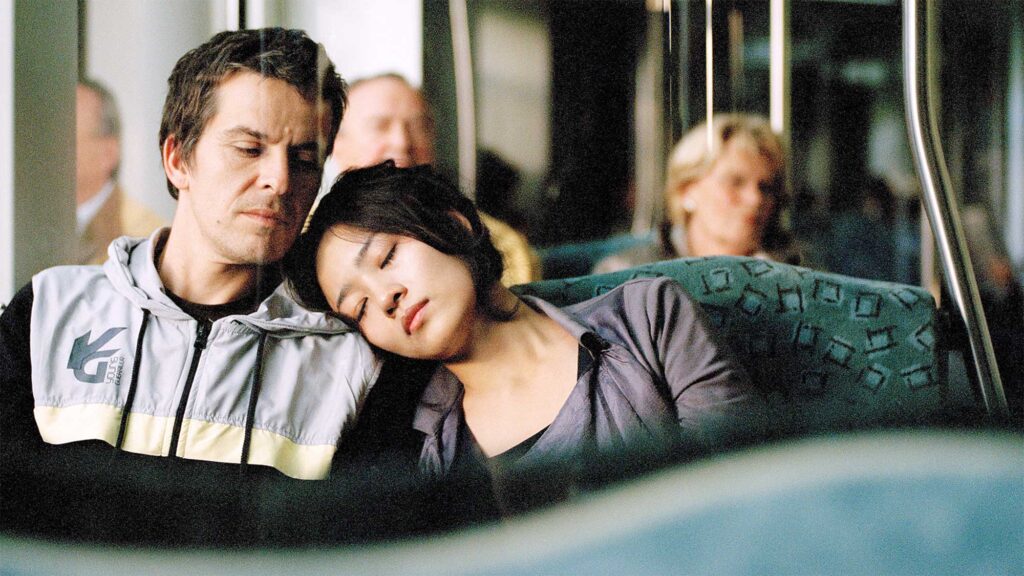
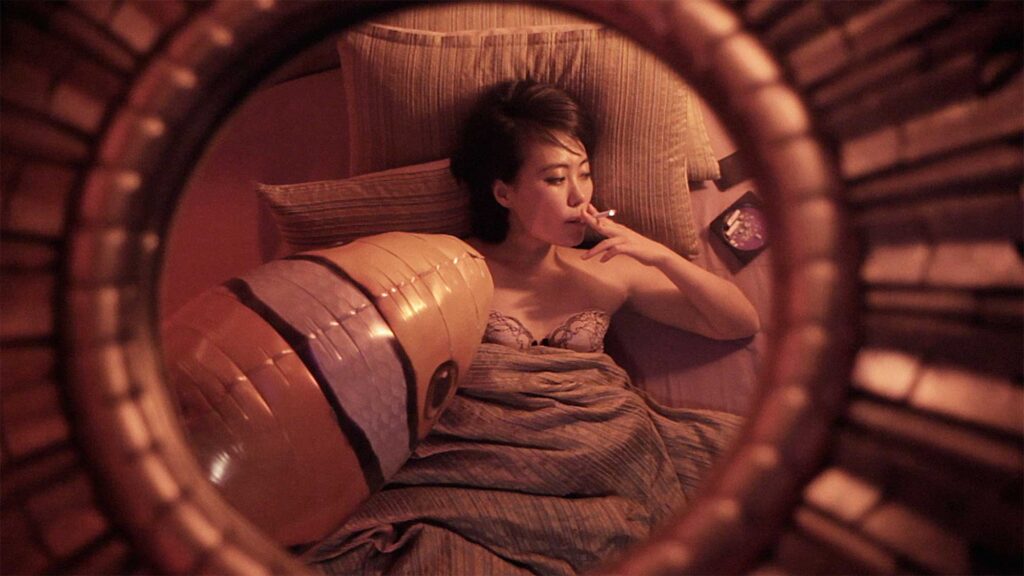
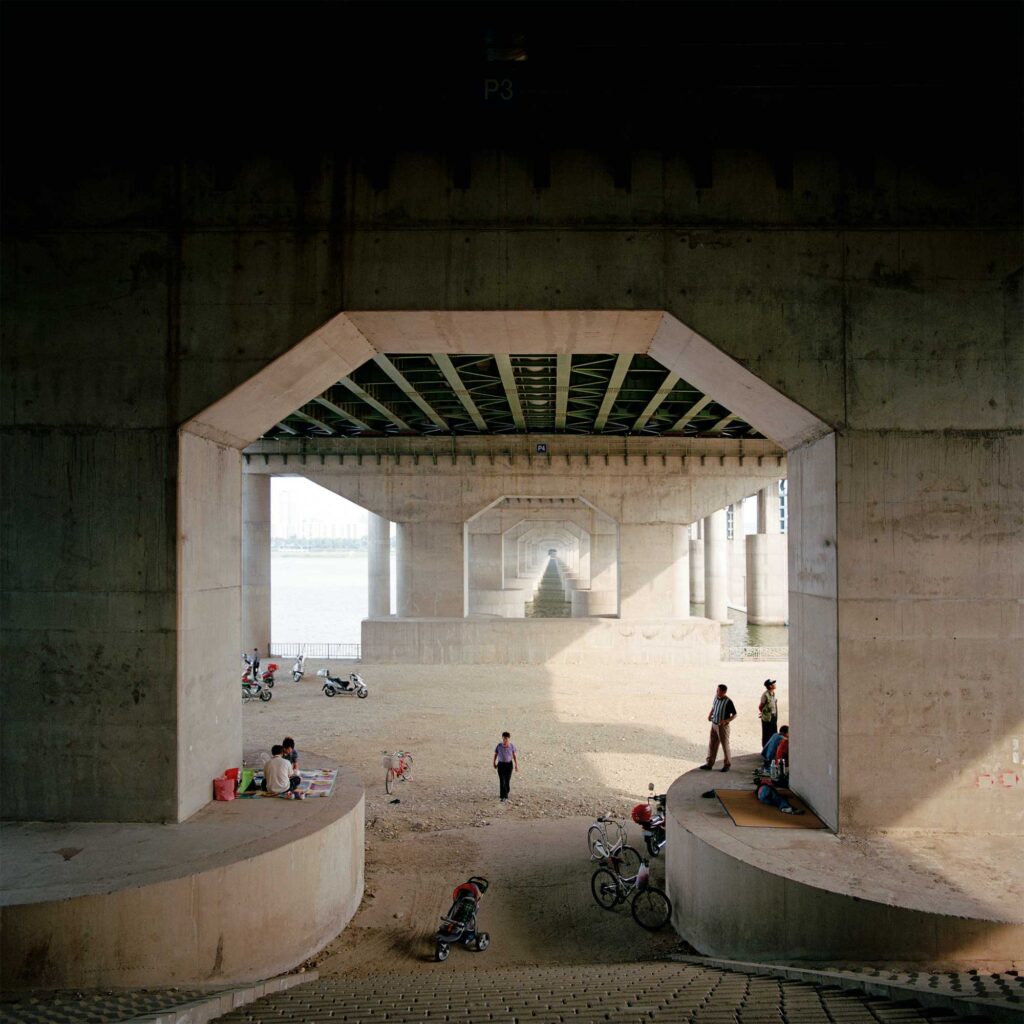
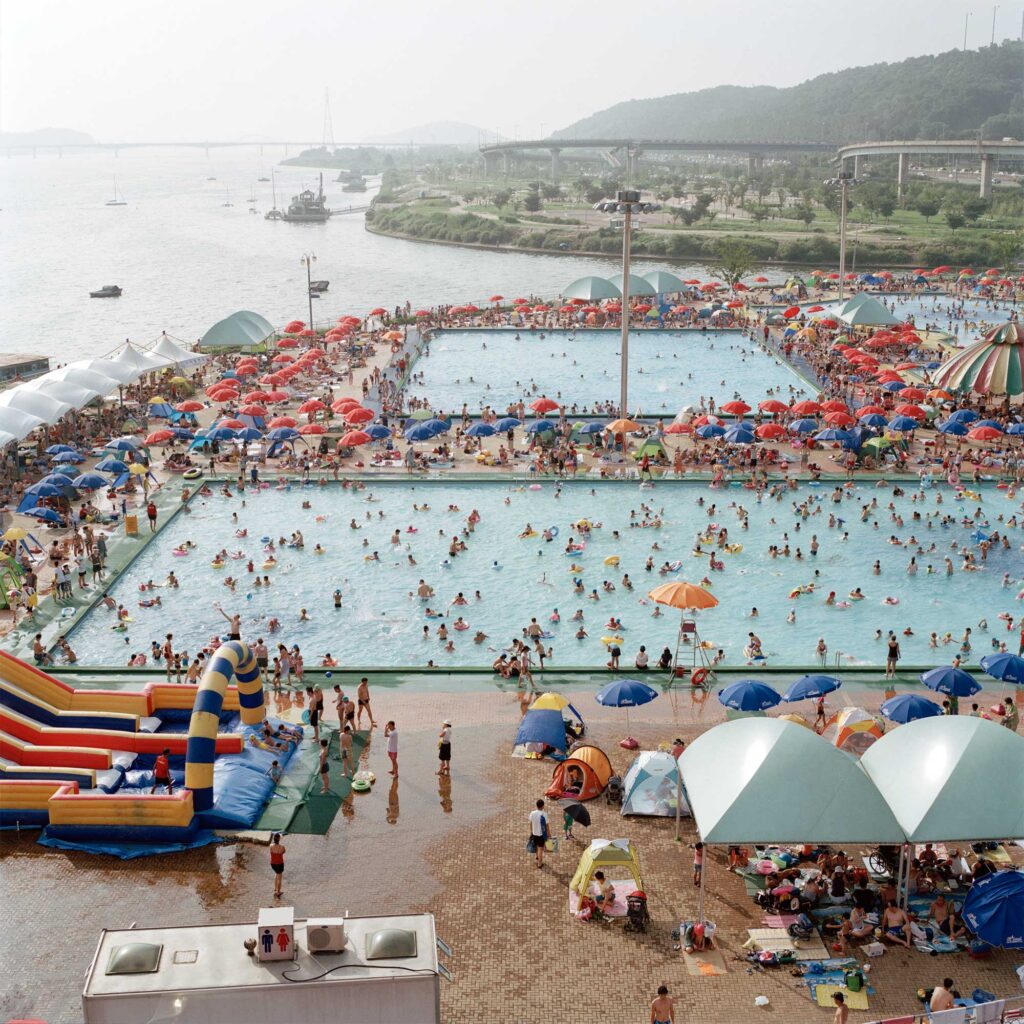
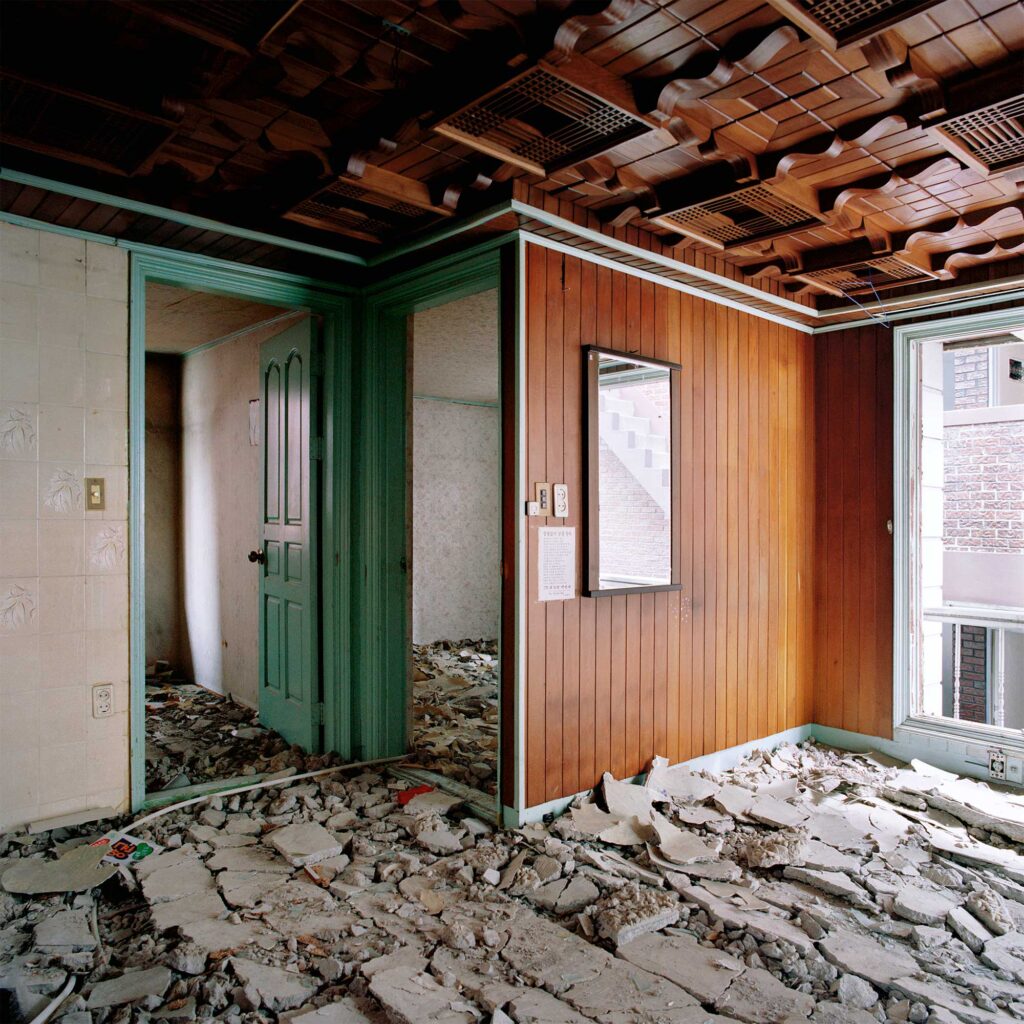
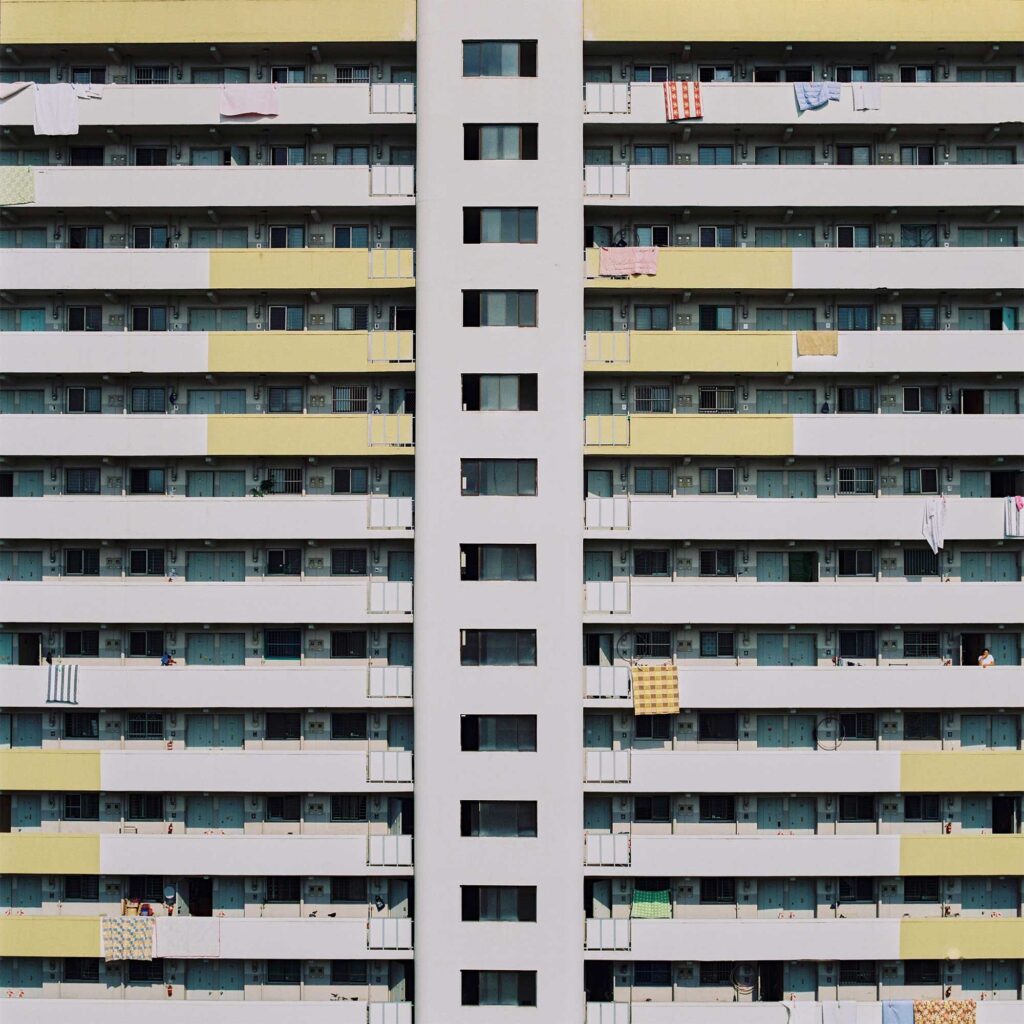
Much of my work develops from long-term engagement with Korea. Whether in photography or film, I often work with local actors, real locations, and existing environments. Projects such as Urban Nature, which received the European Architectural Photography Prize in 2011, or the music video Senior Living, which screened at the Saatchi New Directors Showcase during the Cannes Lions, reflect this approach.
Between Critique and Affection
The article addressed the tension that often runs through my work. While some projects rely on humor, irony, or social observation, others reflect a more personal attachment to the Korean landscape, especially outside the city. Living in Korea has shaped both positions. The distance of being foreign and the closeness of daily life coexist, and that friction continues to inform how I work.
Choosing Korea
I was born in Germany and traveled widely before deciding to settle in Korea in 2005. What drew me here was the energy of the local film scene at the time. I later applied for a scholarship from the Korea Foundation, with the intention of living and working in Asia, and of engaging more deeply with Korean cinema.
Influences from Korean Film
Korean filmmakers have had a strong influence on my thinking about storytelling and form. Directors such as Lee Myung-se, Hong Sang-soo, Lee Chang-dong, and Im Sang-soo shaped my understanding of rhythm, ambiguity, and restraint. While the industry has changed significantly since the late 1990s, I still value that earlier period for its experimental openness.
Working Inside the System
In the interview, I also spoke about the challenges of working within the Korean film industry as a foreigner. Access, hierarchy, and production structures differ from what I knew elsewhere. These differences require adjustment and patience, but they also sharpen awareness of how systems function.
Studying and Building Networks
I studied at the Graduate School of Advanced Imaging at Chung-Ang University, where I focused on cinematography and directing. The academic system had its limits, but it allowed me to build a network that became essential for working in Korea. Over time, these connections proved as important as formal training.
Continuing the Work
The WOMAN DONGA feature offered a chance to reflect on my time in Korea and on how place continues to shape my work. For me, filmmaking and photography remain tools for observation—ways to stay attentive to cultural shifts, contradictions, and everyday realities, without trying to resolve them.