A Weekend in Deokcheon Village
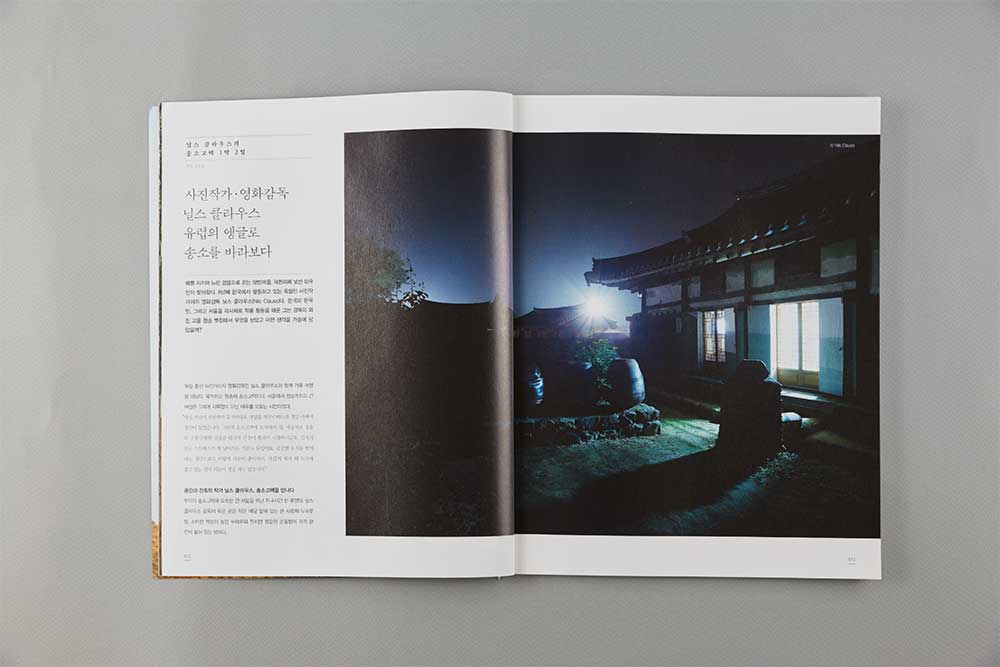
I was commissioned by Nah Magazine, published via iPublics, to spend a weekend in Deokcheon Village. The assignment centered on Songsogotaek, a historic hanok located in the heart of the village.
Songsogotaek dates back to around 1880. Staying there offered the chance to experience the house beyond observation. It allowed time to understand its rhythm, materials, and relationship to the surrounding landscape.
Photographing Songsogotaek
As an architecture photographer based in Seoul, I approached the house with attention to detail and restraint. The structure reveals itself slowly. Its layout, from the sarangchae to the daecheongmaru, reflects a clear logic shaped by climate, tradition, and daily life.
Many of the photographs were taken at night. In low light, the hanok’s lines and surfaces become quieter. Shadows soften the space and draw focus to construction details that often disappear during the day.
Architecture as Cultural Record
Songsogotaek stands as part of a larger architectural tradition rooted in Deokcheon Village. Its square layout and proportions speak to a way of building that values balance and clarity. Rather than emphasizing scale, the house focuses on human presence and use.
Through photography, I aimed to document this without interpretation. The images stay close to what is there, allowing the architecture to speak through form and texture.
Music and Cultural Life
During the stay, the house also became a setting for cultural programs. Gukak performances, including pansori sessions and small fusion concerts, took place in the courtyard. These moments added another layer to the experience.
The presence of music changed how the space felt. It showed how architecture continues to function as a living structure rather than a static historical object.
Walking Beyond the House
Behind Songsogotaek, a narrow path leads into the hills. Walking there offered a quiet contrast to the courtyard and interior spaces. The landscape extends the experience of the house and places it firmly within its natural surroundings.
This connection between architecture and nature remains central to hanok design. Photographing the area helped complete the story beyond walls and rooms.
Documenting Architectural Heritage
This project became an opportunity to observe Korean architectural heritage with care and patience. The photographs are not meant to explain, but to invite a slower look.
Through Nah Magazine, Songsogotaek reaches a wider audience. The feature highlights not only a single house, but also a way of building and living that continues to shape Korea’s cultural landscape.