Translating Furniture
Translating Furniture is a short documentary I worked on together with Adam Hobbs. The film focuses on the work of Korean furniture artist Kwangho Lee, who received the YÉOL Young Craftsman Award in 2013. Rather than following a classic artist portrait, the film takes a more open approach. It moves through images, spaces, and gestures to observe how craft, memory, and imagination connect.
Observing Craft and Material
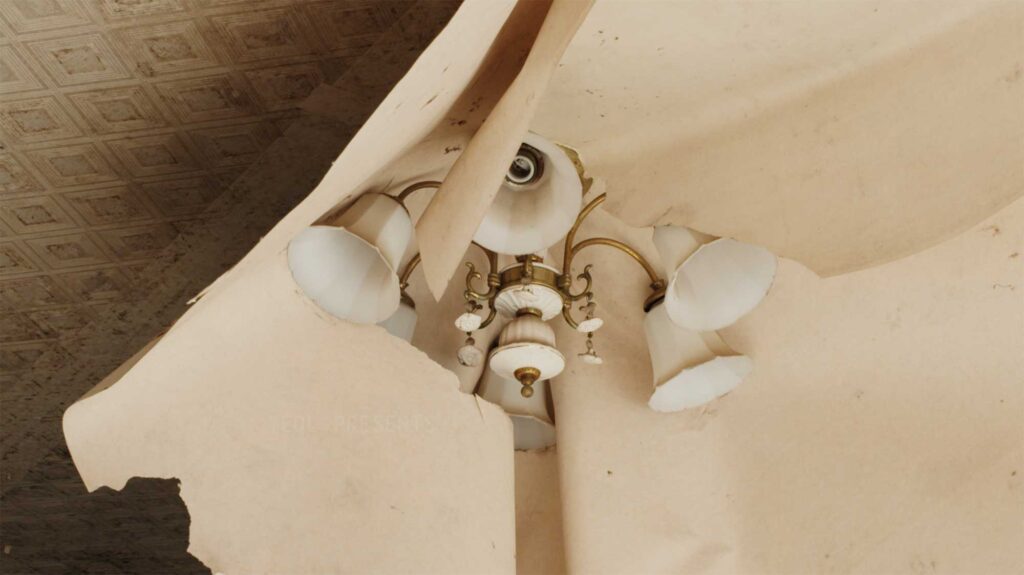
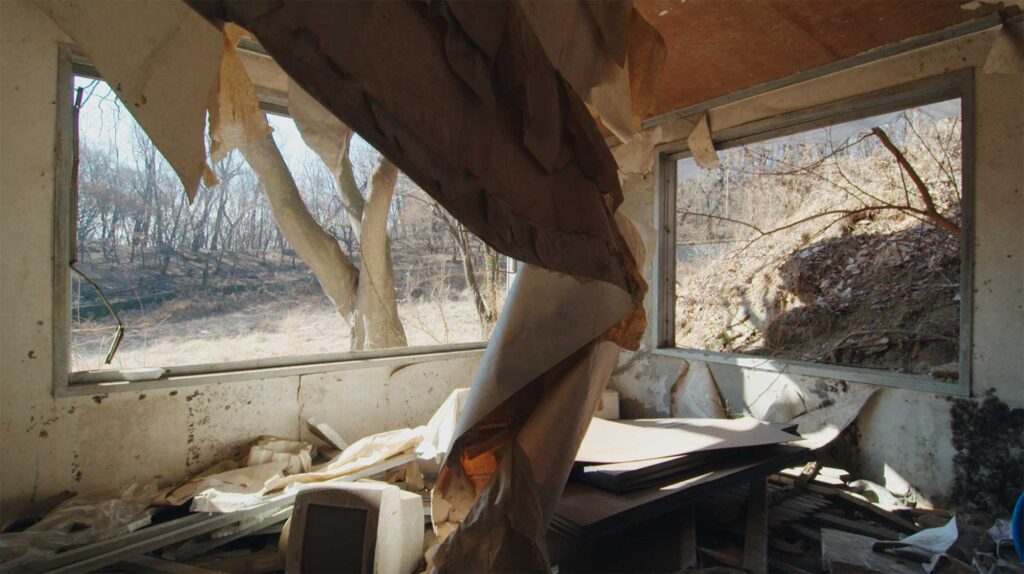
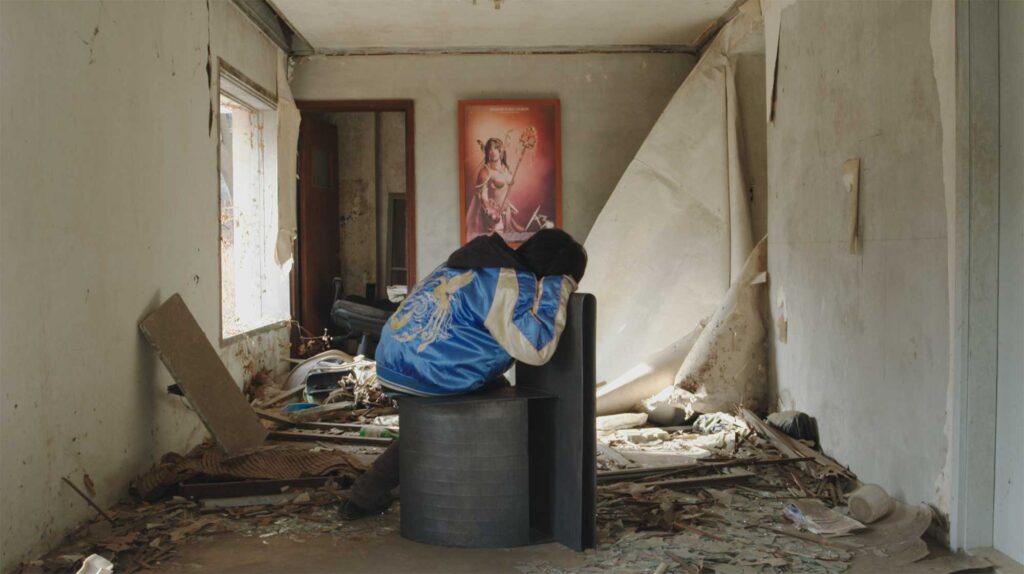
Kwangho Lee works mainly with metal. His bronze chairs and stools draw inspiration from traditional Korean armor. In the film, these objects appear inside abandoned houses in Seoul. This setting came from my earlier photography work on unused and forgotten spaces in the city. By placing the furniture there, the film shifts attention away from function and toward form, texture, and presence.
Sound and Rhythm
The film uses the track “Snow Filled Summer” by offthesky. The music supports the pace of the images and leaves room for reflection. Sound and image work together without explanation. As a result, the film stays closer to mood than narrative.
YÉOL and Traditional Craft
The project connects to the work of YÉOL, which supports traditional craftsmanship in Korea. Through initiatives like the Artisan of the Year and Young Craftsman of the Year awards, YÉOL encourages new approaches to long-standing practices. Kwangho Lee’s work reflects this idea. It respects tradition while allowing new forms and contexts to emerge.
Locations and Atmosphere
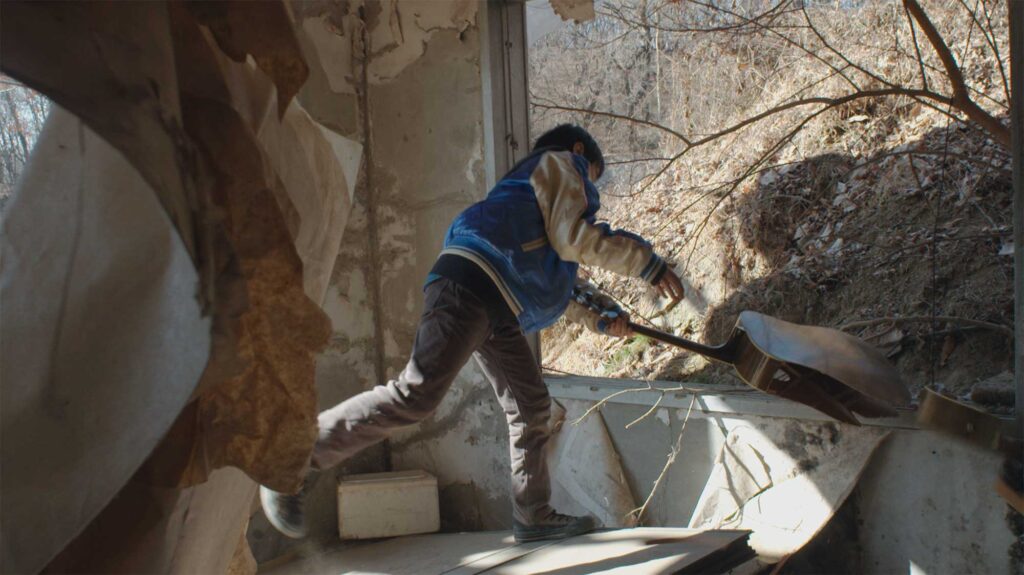
Adam Hobbs and I chose an abandoned house in the northwestern part of Seoul as the main location. The building carries its own history, which added weight to the images without becoming the focus. The film includes a young actor, Yoonbin, who moves through the space and interacts with the furniture. His presence introduces curiosity and openness, rather than explanation.
Filming Approach
We shot the film on a Sony F3 and recorded externally in ProRes HQ. Natural light played a key role. It allowed us to capture both interior and exterior spaces while keeping detail in highlights and shadows. Instead of shaping light heavily, we worked with what was available. This choice helped the space remain present and unaltered.
Looking Back
Translating Furniture became a quiet exploration of craft and place. It avoids clear statements and allows images to carry meaning. Through this project, I wanted to observe how objects, space, and memory interact. The film stays open, inviting viewers to form their own connections between furniture, environment, and imagination.