Photographing YÉOL Award Furniture
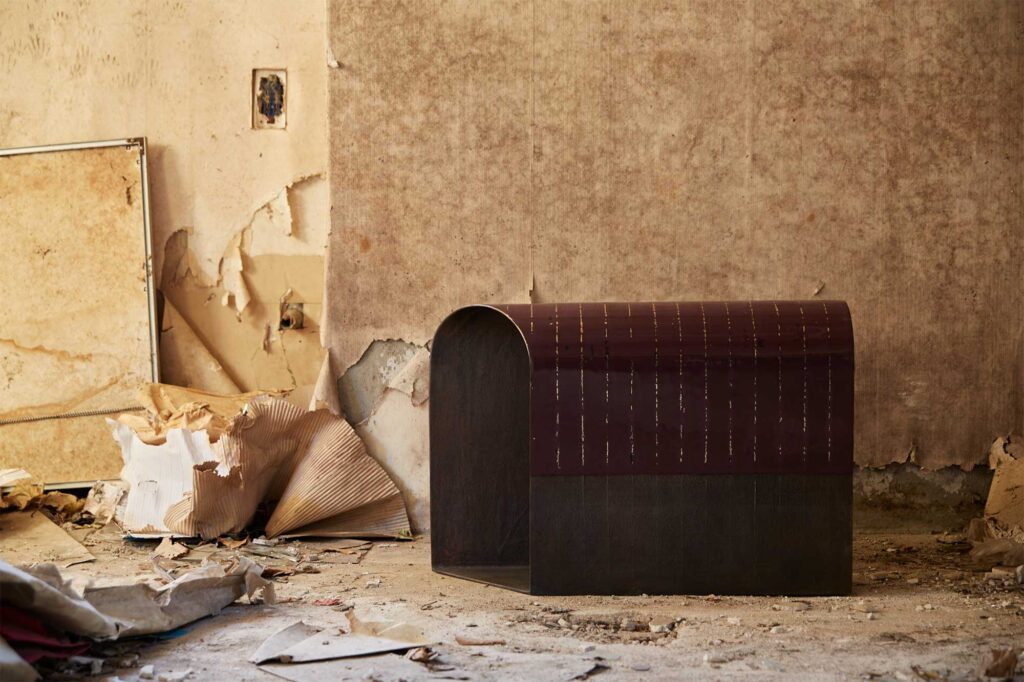
I photographed the YÉOL Award–winning furniture by Kwangho Lee as part of theYÉOL Young Craftsman of the Year project. The work focuses on his chairs and stools made from bronze and looks closely at material, surface, and form. Rather than presenting the objects in isolation, the project explores how craft changes when placed in a specific environment. Through photography, I wanted to observe how these pieces hold presence beyond a studio setting.
The YÉOL Young Craftsman Project
The YÉOL Young Craftsman of the Year project began in 2013. Its goal is to support younger makers who work with traditional techniques while developing new approaches. Kwangho Lee received the YÉOL Young Craftsman Award in 2013. His work reflects a strong connection to craft history, while also allowing space for reinterpretation and personal expression.
Kwangho Lee’s Furniture
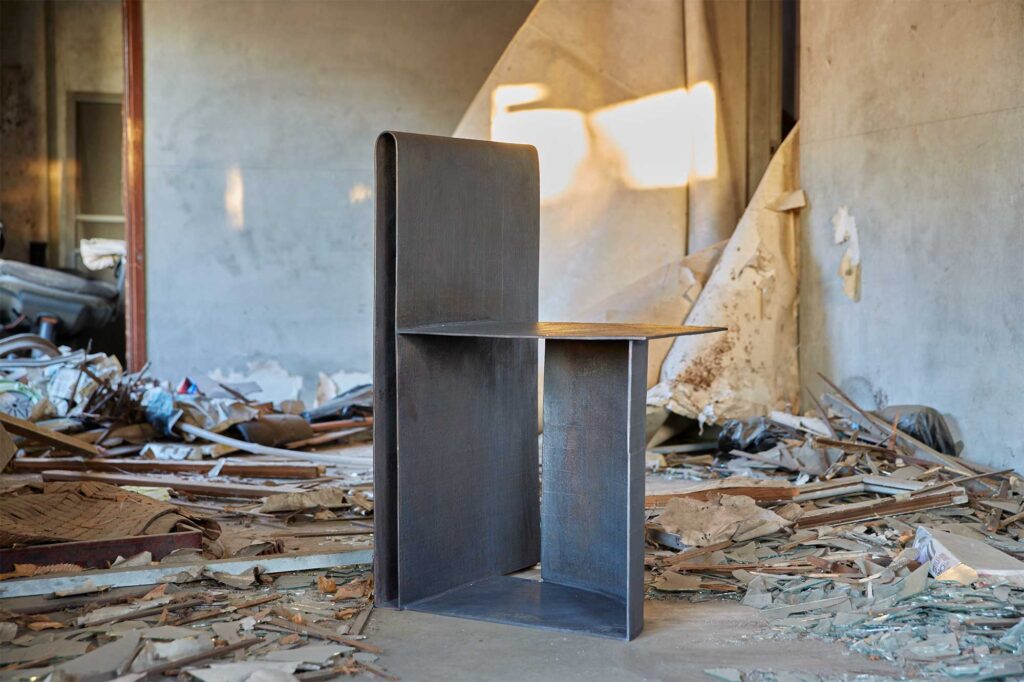
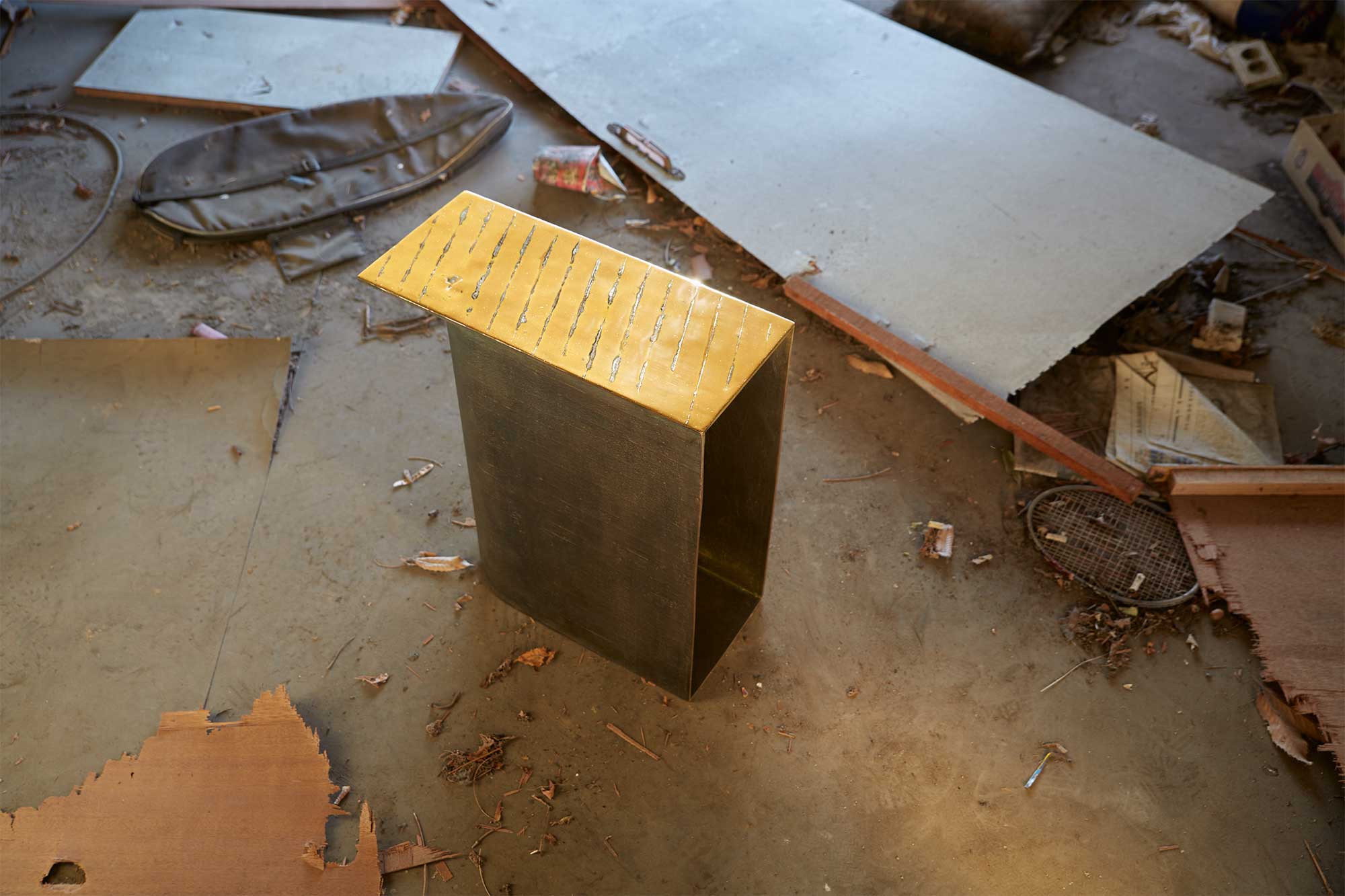
Kwangho Lee works mainly with metal. For this series, he created chairs and stools from bronze. The forms take inspiration from traditional Korean armor, which was often made from paper and lacquer. These references remain subtle. Instead of direct quotation, the furniture carries weight, texture, and restraint. Each piece reflects a balance between durability and sensitivity.
Choosing the Location
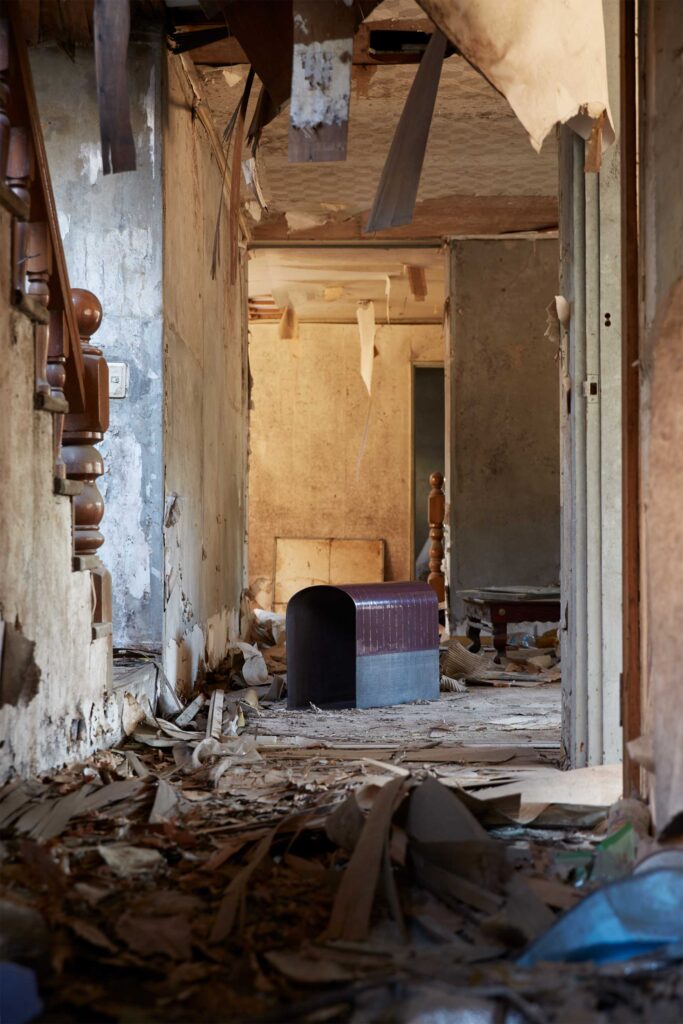
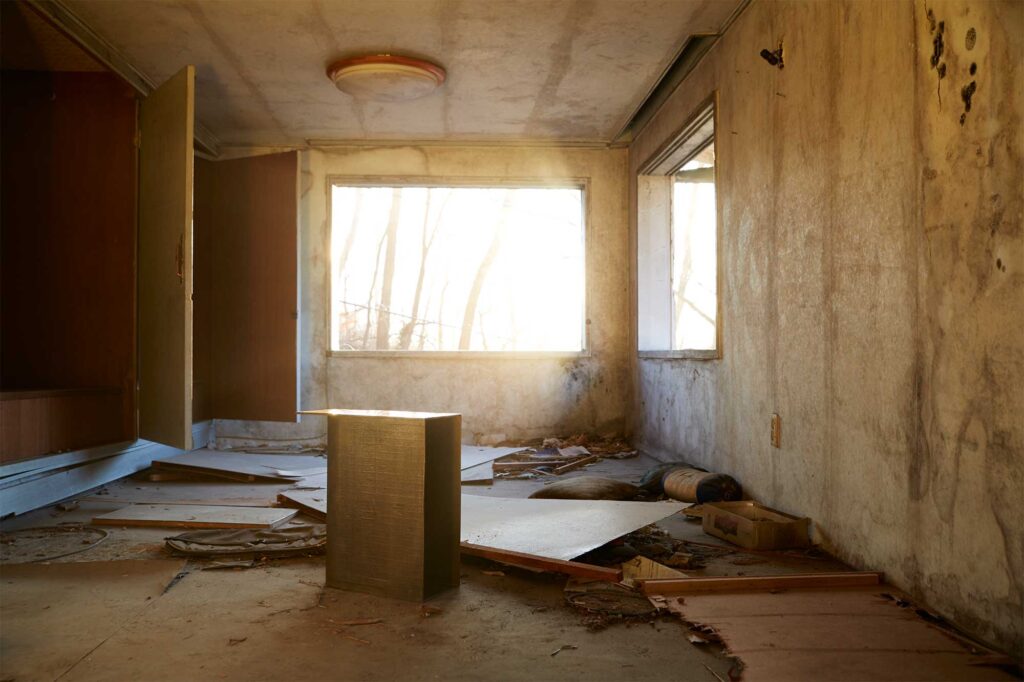
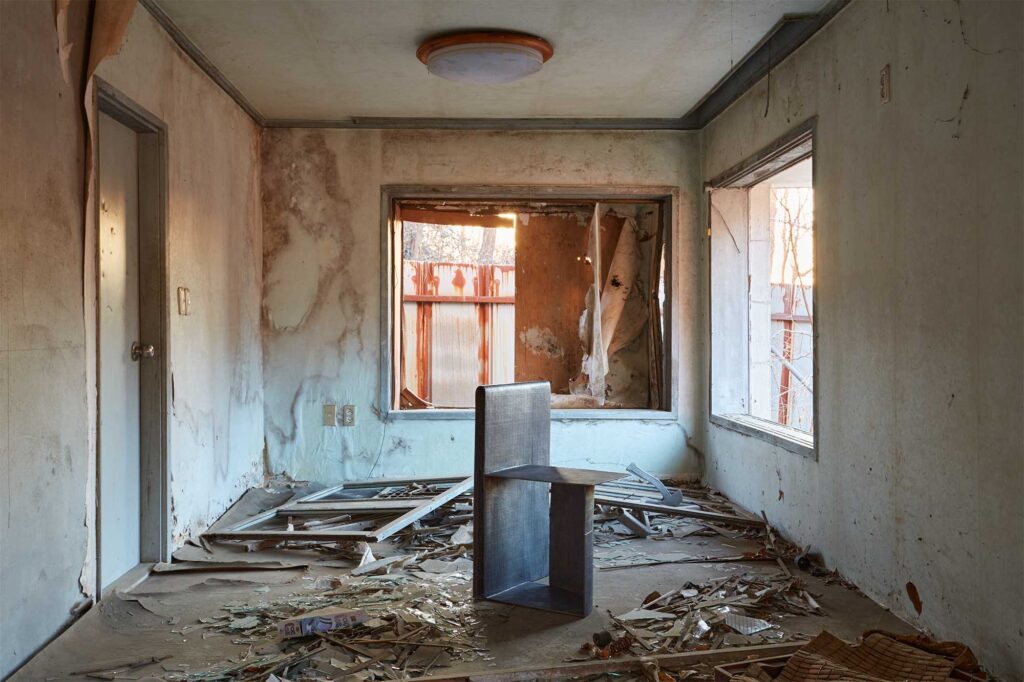
For this project, I returned to the same abandoned house used in the film Translating Furniture. The building sits in the northwestern part of Seoul. Unlike the studio photographs made for the YÉOL Artisan of the Year project, this location introduced unpredictability. The house carries a difficult history, which remains present without becoming the subject. Its condition shaped the mood of the images and influenced how the furniture appeared within the space.
Texture, History, and Contrast
The surfaces inside the house show decay, moisture, and time. Walls carry stains and cracks. Floors hold dust and debris. Against this background, the bronze furniture appears both grounded and fragile. Through contrast, the photographs connect two different timelines. Craft rooted in tradition meets a space marked by neglect. This tension gives the images their structure and rhythm.
From Space to Image
Each photograph builds on this contrast. The furniture does not attempt to repair or soften the space. Instead, it exists alongside it. Through framing and light, the images allow both elements to remain visible. Rather than creating a narrative, the series stays observational. It invites viewers to consider how objects and places shape one another.
Closing Thoughts
This project became a way to look at craft beyond presentation. By placing Kwangho Lee’s YÉOL Award–winning furniture inside an abandoned building, the photographs connect making, memory, and space. Through this process, the work shifts from documentation to dialogue. It reflects how craftsmanship continues to carry meaning, even when placed in unexpected surroundings.