Translating Furniture on Directors Notes
The film Translating Furniture was recently featured on DIRECTORS NOTES. The article looks closely at how the project came together and how Adam Hobbs and I approached the story of Korean furniture artist Kwangho Lee. The film focuses on Kwangho’s work after he received the YÉOL Young Craftsman Award in 2013. Rather than presenting his work through a standard artist profile, the documentary follows a more open and visual path.
YÉOL and Traditional Craft
The project connects closely to the work of YÉOL. Since its founding, YÉOL has supported traditional craftsmanship through programs such as Artisan of the Year and Young Craftsman of the Year. The Young Craftsman project began in 2013. It aims to support artists who work with traditional methods while developing new ways of thinking. Kwangho Lee’s work reflects this balance clearly.
Moving Away from the Studio
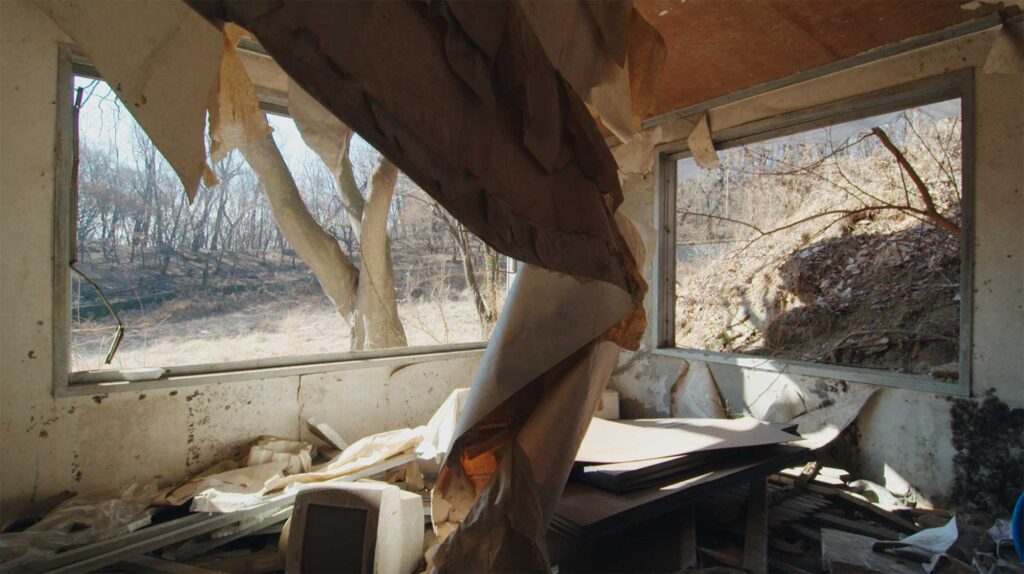
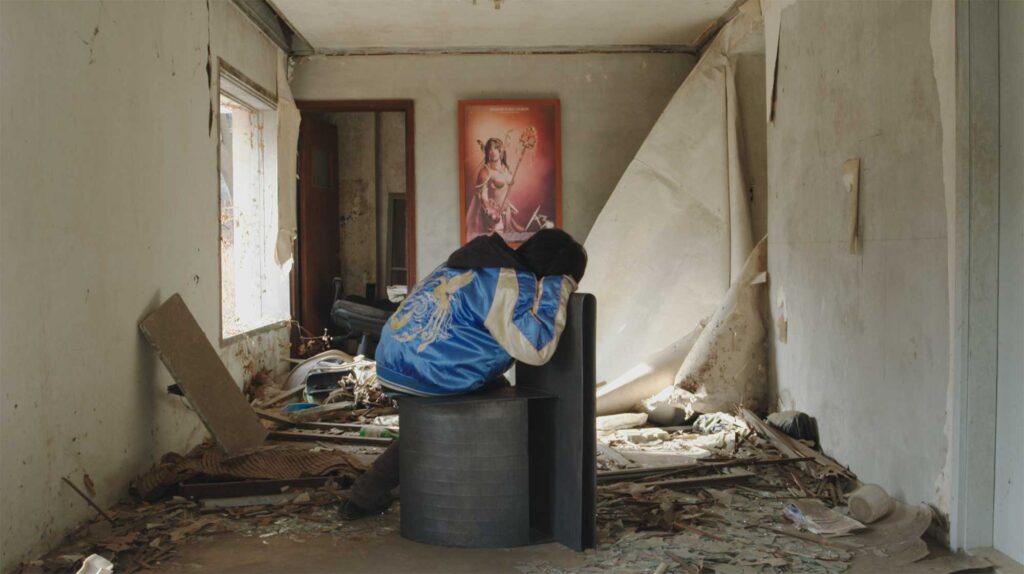
From the beginning, we knew we did not want to film a conventional studio-based documentary. Kwangho also felt that his furniture should exist outside a controlled environment. Because of this, we placed his bronze chairs and stools in abandoned houses around Seoul. The rough surfaces and worn textures offered a contrast to the precision of the craft.
Choosing the Location
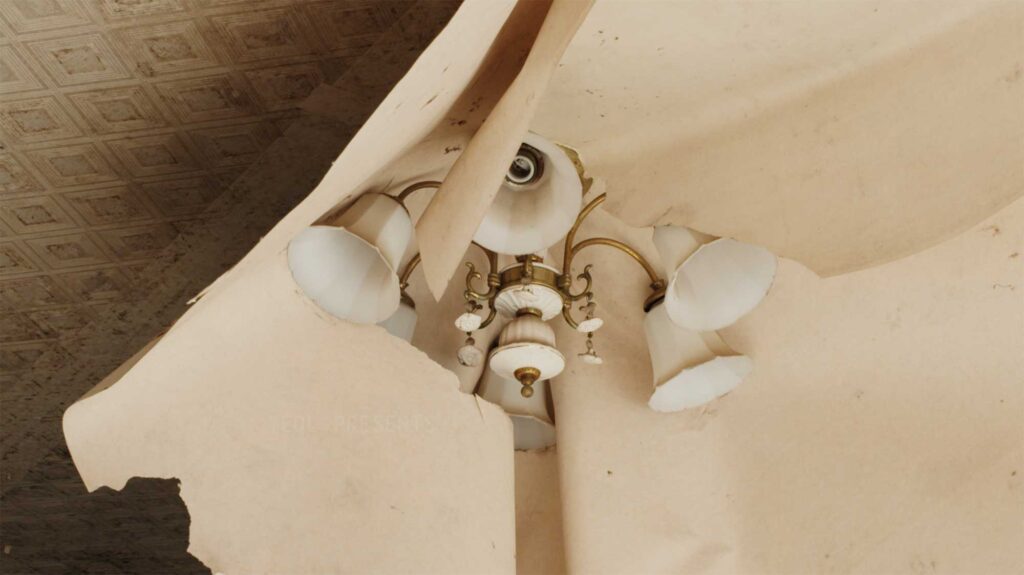
The main location was an abandoned house in the northwestern part of Seoul. I had photographed similar interiors years earlier in my series Zugzwang, which documented buildings awaiting demolition. This house carried a difficult history, which we chose not to explain in the film. Instead, we allowed the space to remain present through atmosphere and detail. Its condition shaped the tone of the images without becoming the subject.
Filming with Restraint
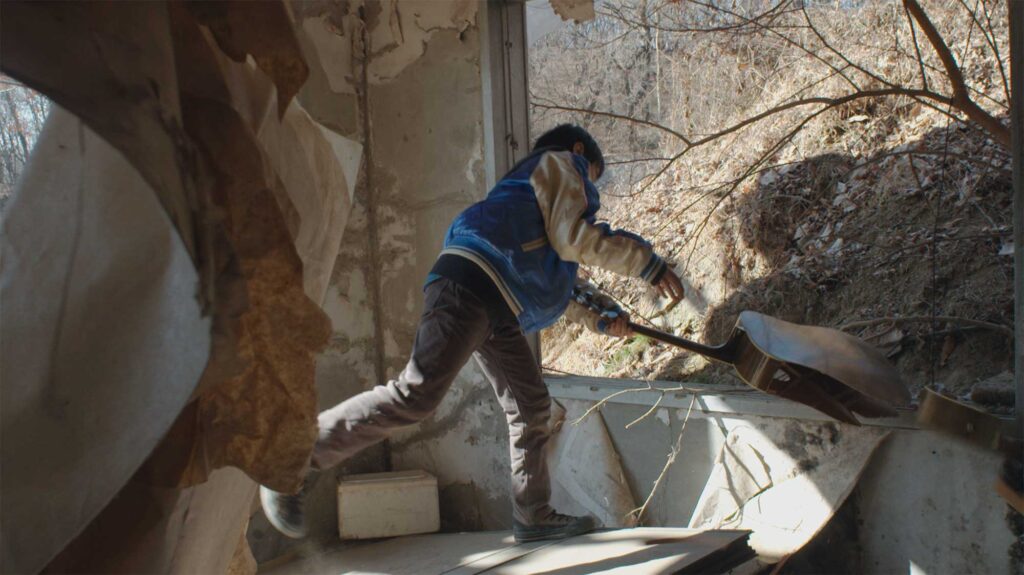
We filmed without permits and worked quickly and quietly. Natural light became our main tool. By avoiding additional lighting, the spaces kept their original mood. The film features a young actor, Yoonbin, whose presence introduces curiosity and movement. His interaction with the furniture adds a sense of transition without turning the film into a narrative story.
A Shared Cinematic Process
Adam Hobbs and I both work as cinematographers. On this project, we moved between directing and shooting. This shared approach allowed us to react to moments as they happened. We shot the film on a Sony F3 and recorded externally in ProRes HQ. The camera’s dynamic range helped us retain detail in both highlights and shadows, especially in the contrast between interior darkness and daylight.
Looking Back
Translating Furniture became a film about placement rather than explanation. By removing the furniture from its expected context, the project opened space for new readings. The Directors Notes feature reflects this process well. It shows how craft, space, and restraint can come together to form a quiet and open cinematic work.