Photographing Leeum Samsung Museum of Art
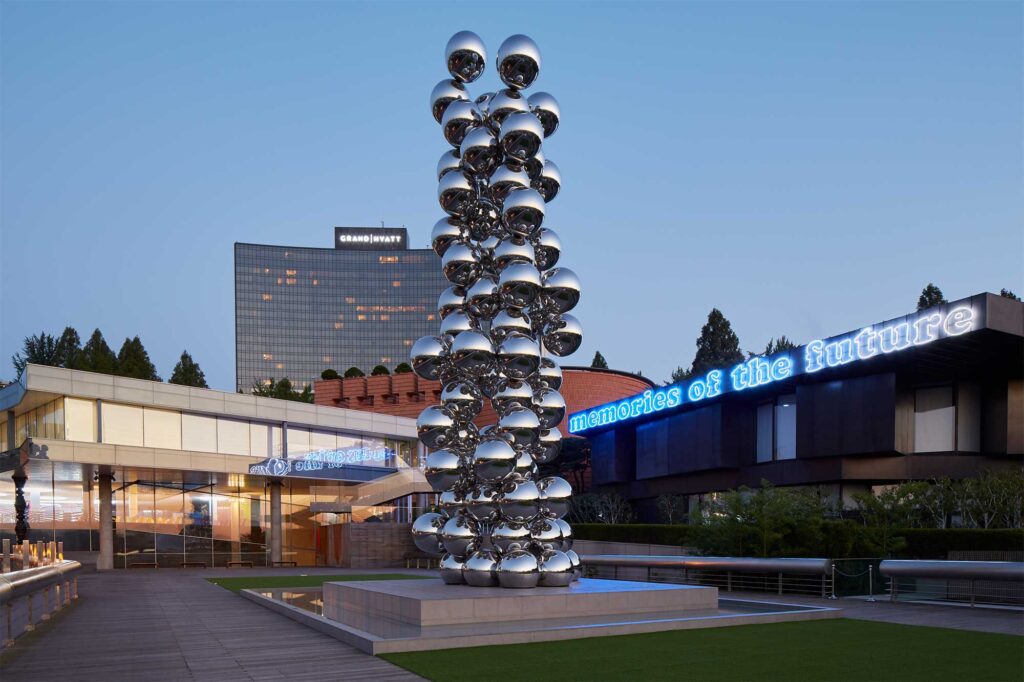
I photographed the architecture of the Leeum Samsung Museum of Art in Seoul. The work focused on how the buildings shape movement, light, and experience across the site.
My approach stayed documentary. Rather than highlighting exhibitions, I concentrated on the structures themselves and how they guide visitors through the space.
Architecture and Recognition
I often work with architecture, and in 2011 I received the European Architectural Photography Prize That background informed how I approached Leeum, with attention to proportion, surface, and rhythm.
The museum is managed by the Samsung Foundation of Culture. Its architecture reflects different voices, brought together within one site.
Museum 1: Mario Botta
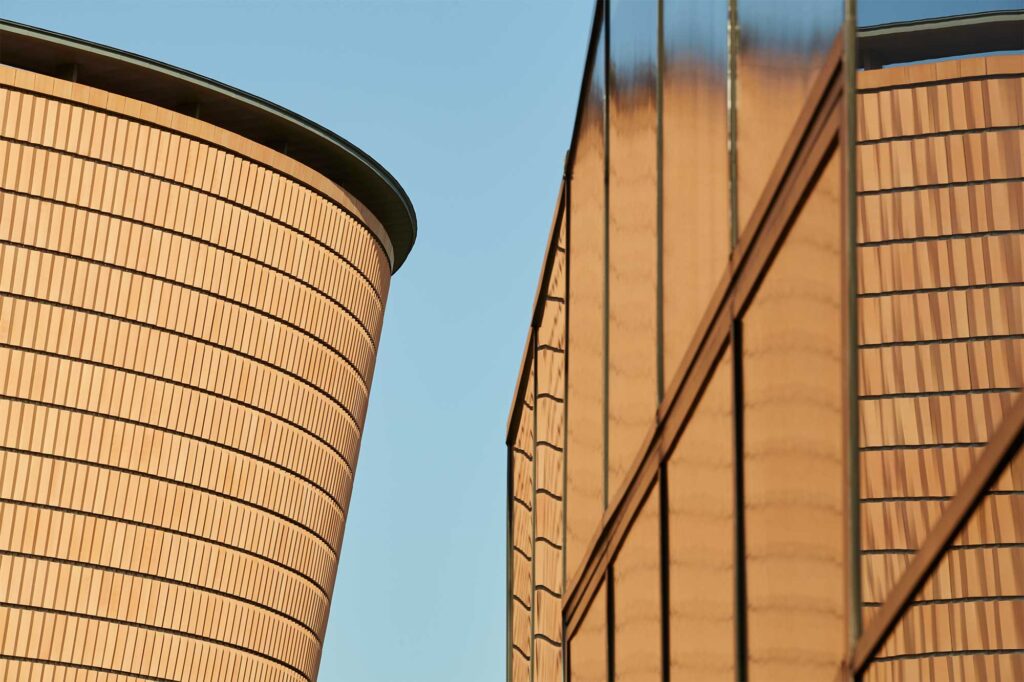
Museum 1 was designed by Mario Botta. The building draws from traditional forms and uses terra cotta brick as a central material. While photographing this space, I focused on repetition and weight. The brick surfaces and framed openings create a steady pace that shapes how the building is experienced.
Museum 2: Jean Nouvel
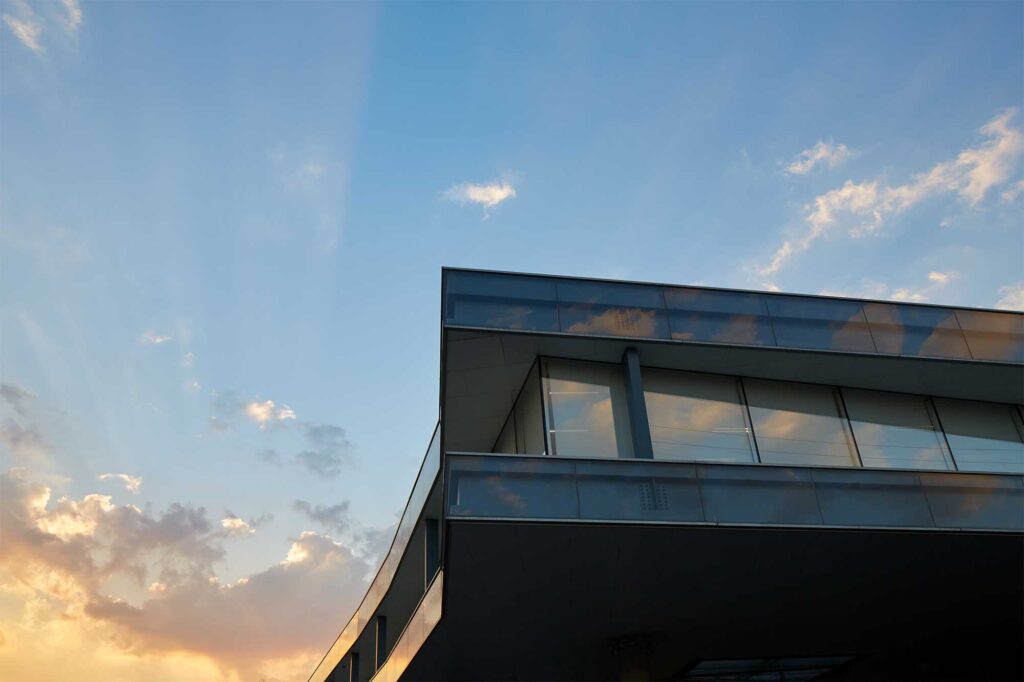
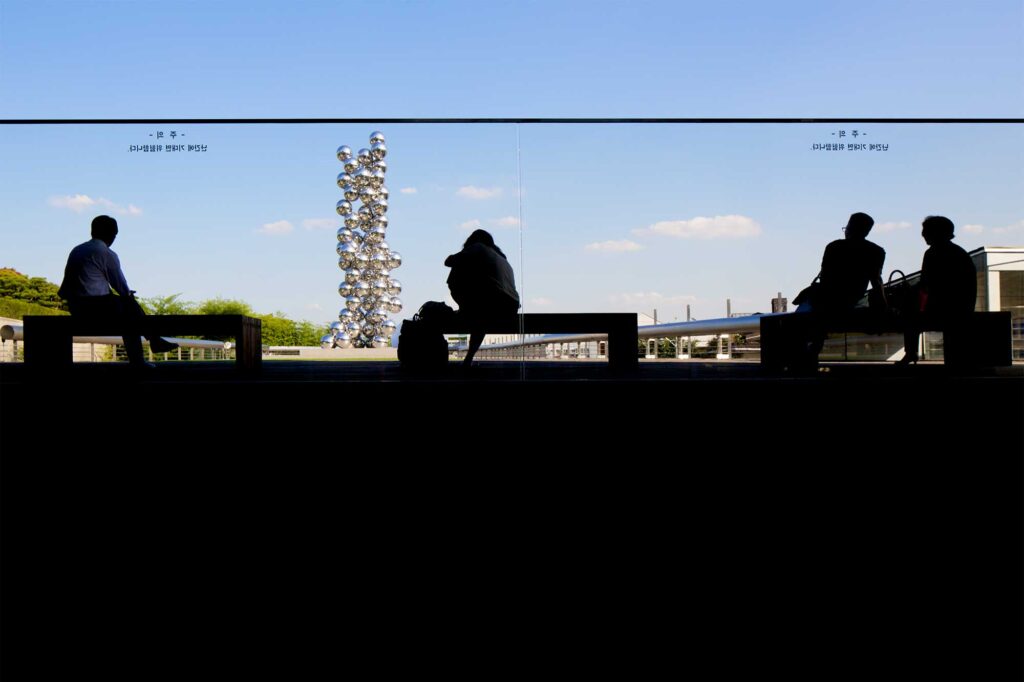
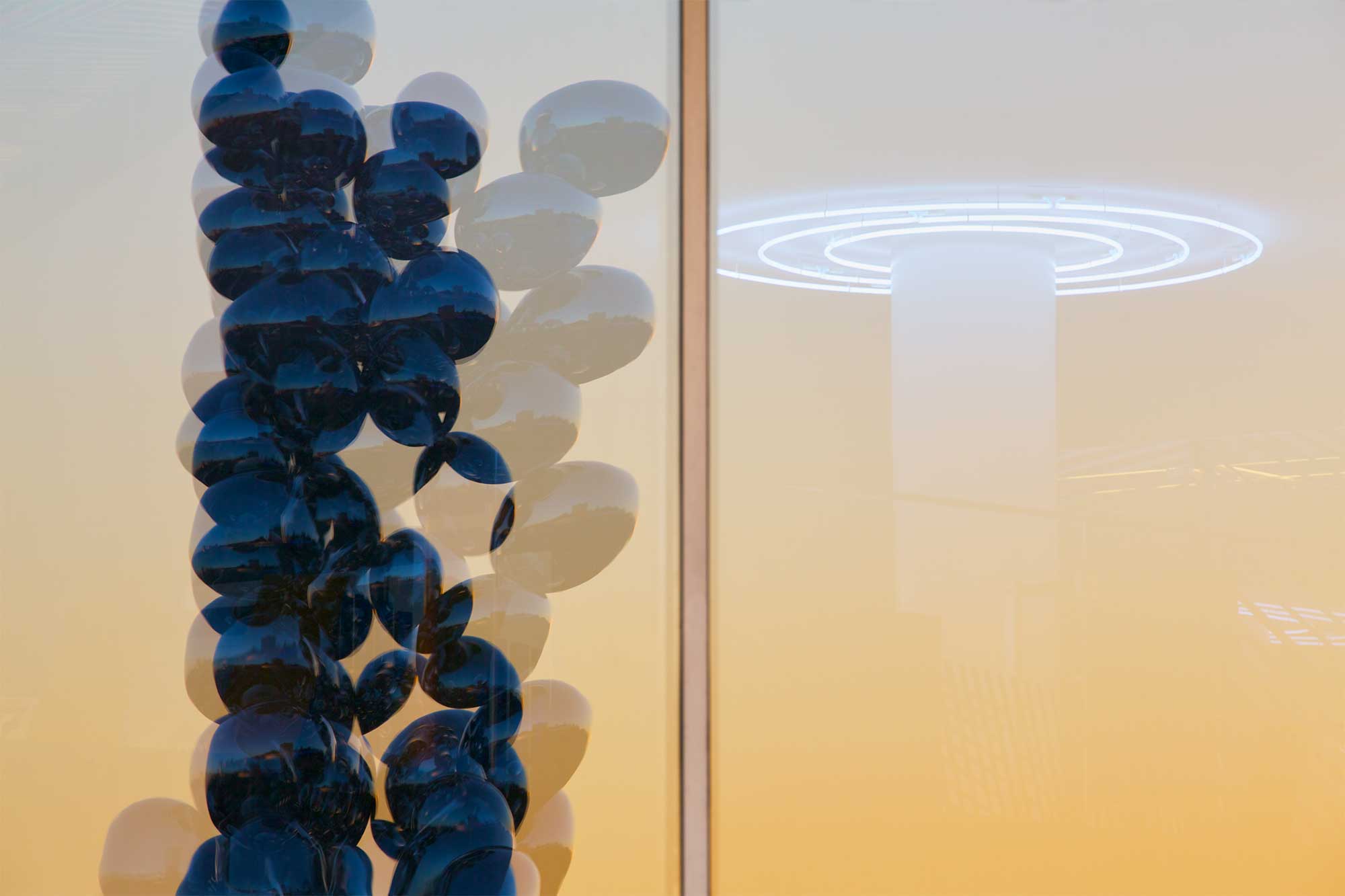
Museum 2 was designed by Jean Nouvel. The structure feels more fluid and contemporary, with shifting light and layered surfaces. Permanent artworks sit within the architecture rather than on top of it. Through photography, I aimed to show how structure and exhibition exist together without competing.
Education and Circulation
The Samsung Child Education & Culture Center was designed by Rem Koolhaas. Ramps, glass walls, and open circulation define this part of the museum. Here, architecture supports learning through movement. While photographing, I followed these paths and focused on how space encourages exploration rather than direction.
Working with the Space
Across all three buildings, the museum offers very different architectural languages. My role was not to compare them, but to observe how they coexist. Light, material, and scale change from one structure to the next. Photography allowed me to slow down and make these transitions visible.
Closing Thoughts
This project stayed centered on architecture rather than collection. By focusing on structure and space, the images reflect how Leeum functions as a whole. For me, photographing the Leeum Samsung Museum of Art was about attention and restraint. The work documents how architecture quietly shapes cultural experience within the city.