Defectors’ Journey
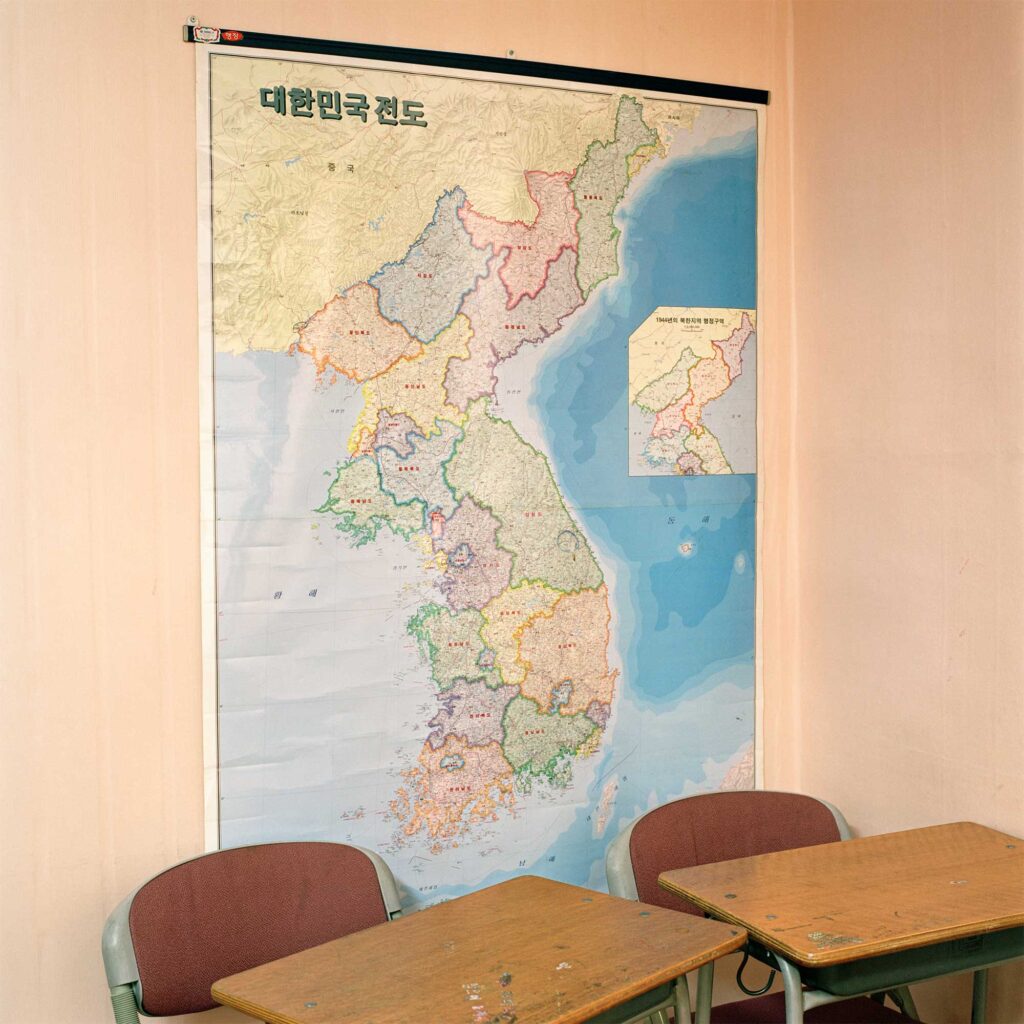
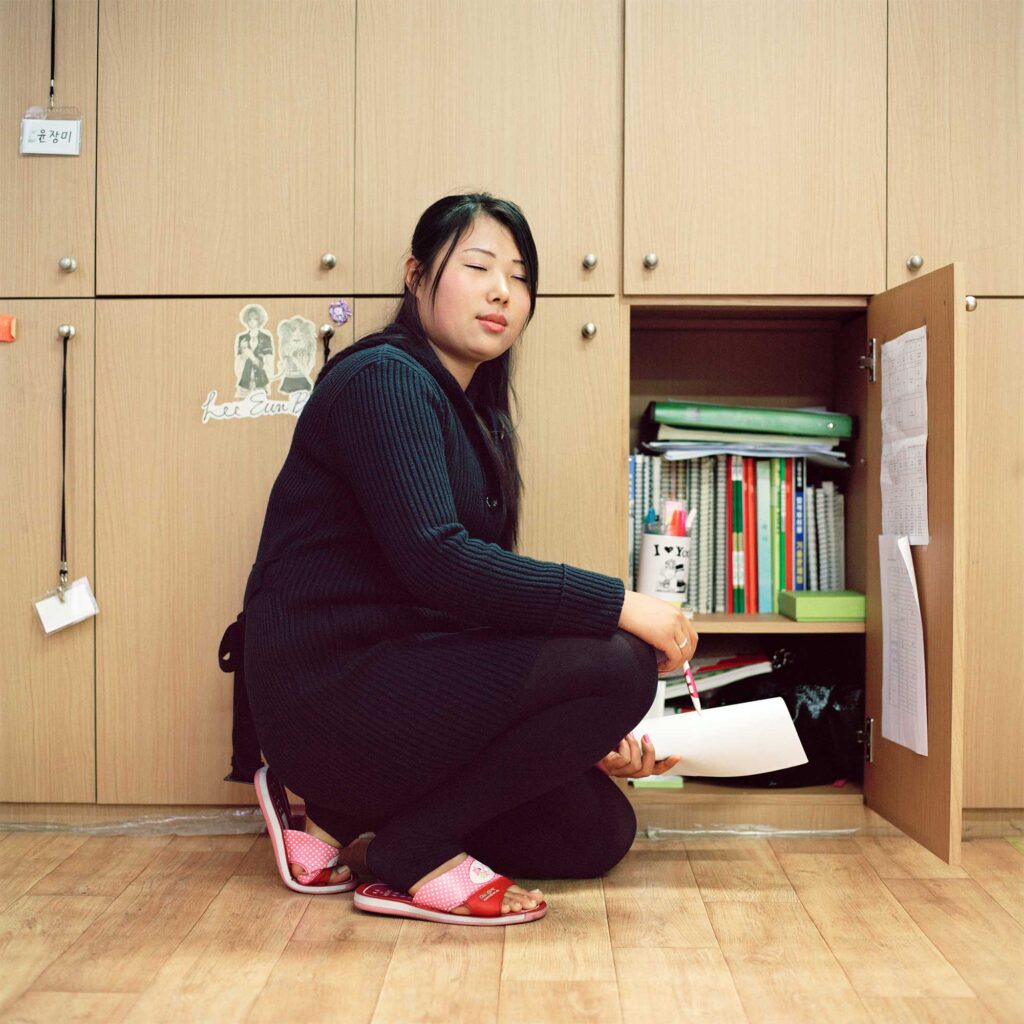
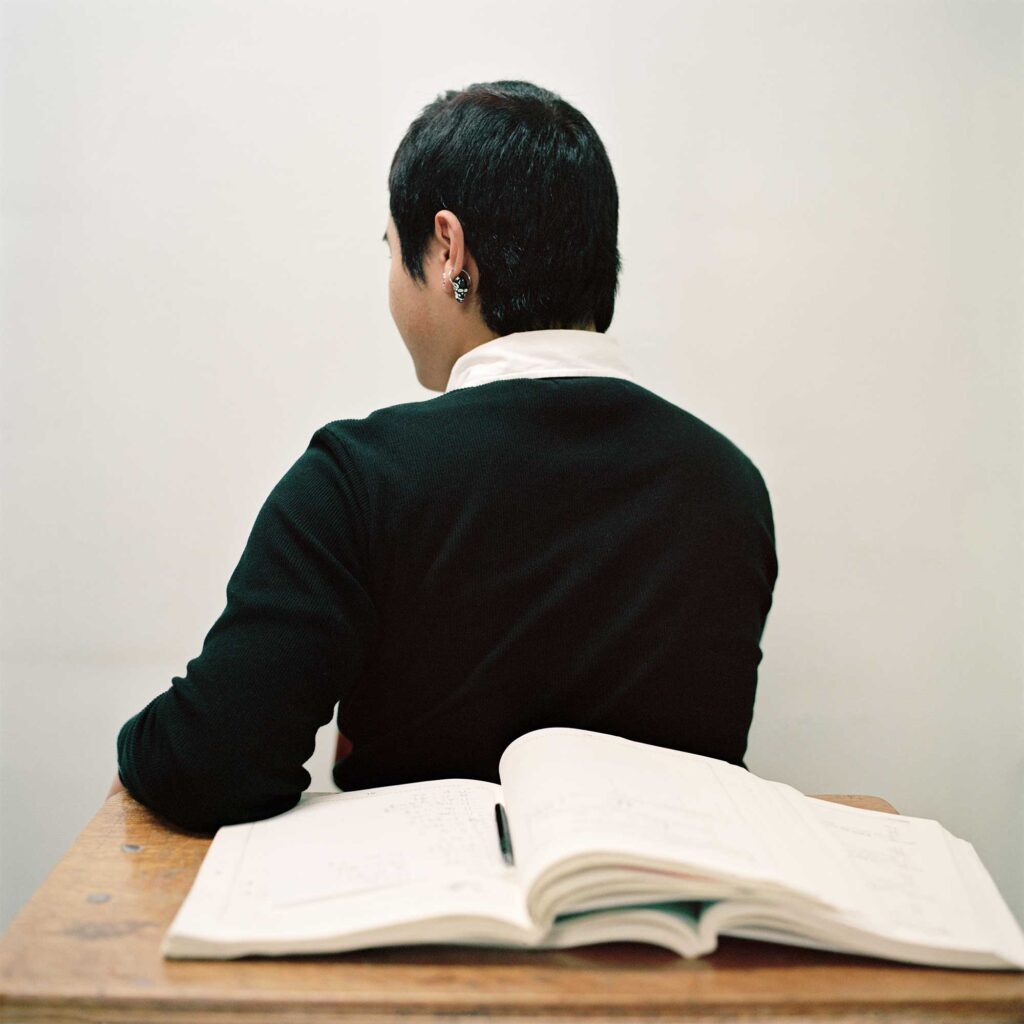
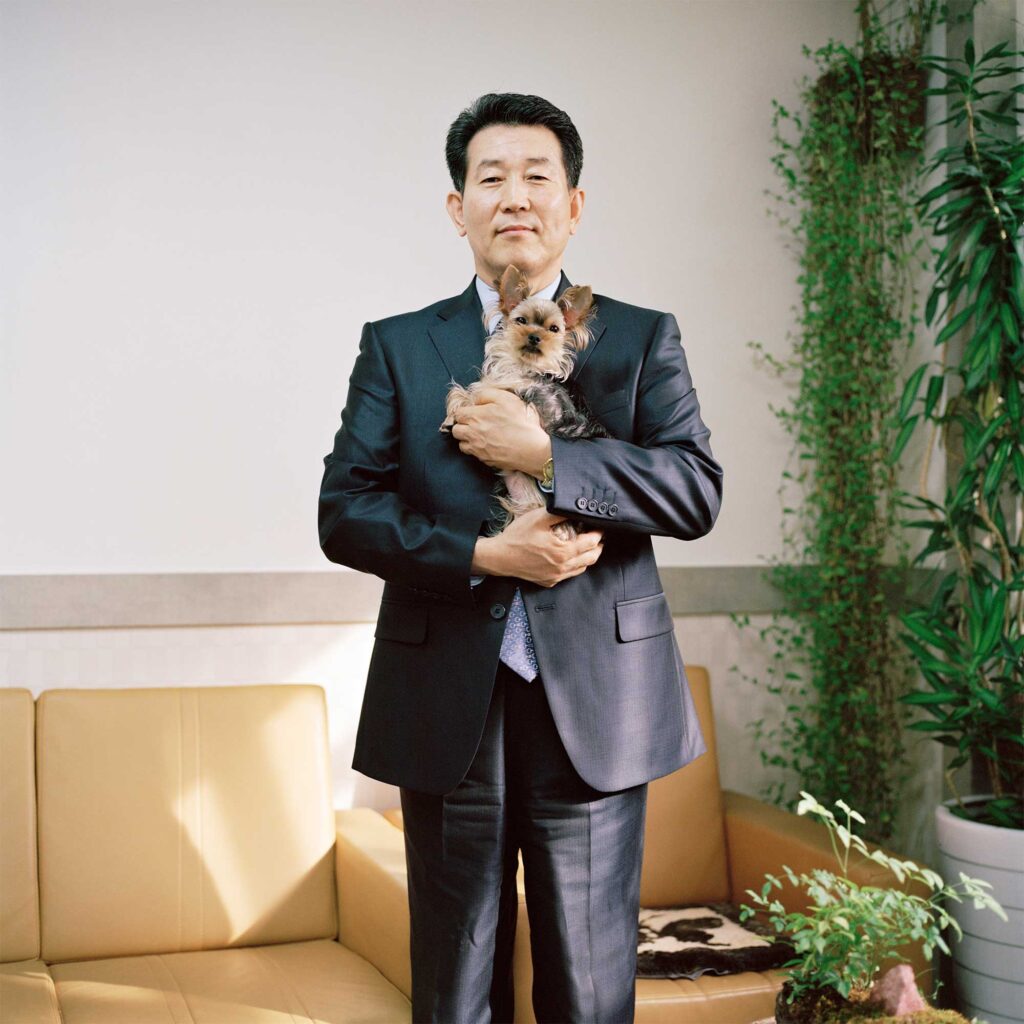
More than 27,000 North Koreans have resettled in South Korea. In 2009, I began documenting parts of this reality together with writer Neil Dowling. The result was Divided, a long-term photo essay that looks at everyday life after defection.
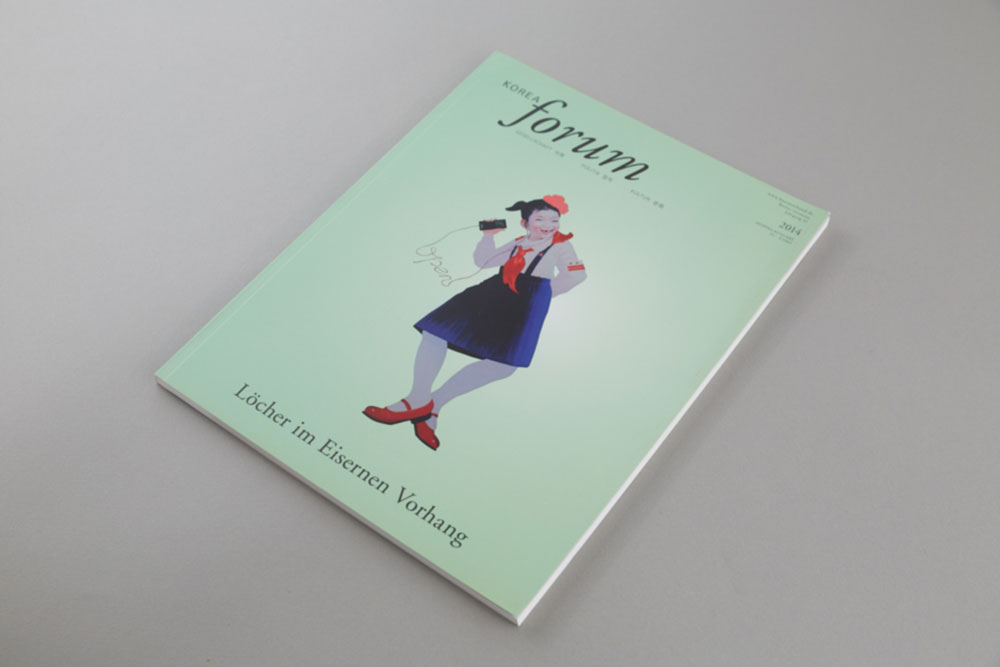
The series was later published in the German-language magazine Korea Forum under the title Wanderer zwischen zwei Welten. It has also appeared in Die Zeit and Open Manifesto.
Arriving in a Different World
The people we met had already crossed several borders before reaching South Korea. Yet arrival did not mean ease. Life in the South moves fast and depends heavily on technology, education, and social networks. Many refugees struggle to adjust. Language, work culture, and social expectations differ sharply from what they knew before. Even simple tasks can feel overwhelming at first.
Changing Patterns of Defection
In earlier decades, many defectors were officials or workers who chose not to return after assignments abroad. Over time, this changed. Today, many refugees come from areas near the Chinese border. Most arrive with limited formal education and few professional skills. As a result, they face added pressure when entering a highly competitive society.
Living With New Identities
To protect themselves and family members still in the North, most refugees adopt new names and personal histories. This constant need for caution shapes daily life. At the same time, attitudes in South Korea have shifted. While there is still a sense of shared history, economic pressure has made long-term support more complex.
Photographing Resilience
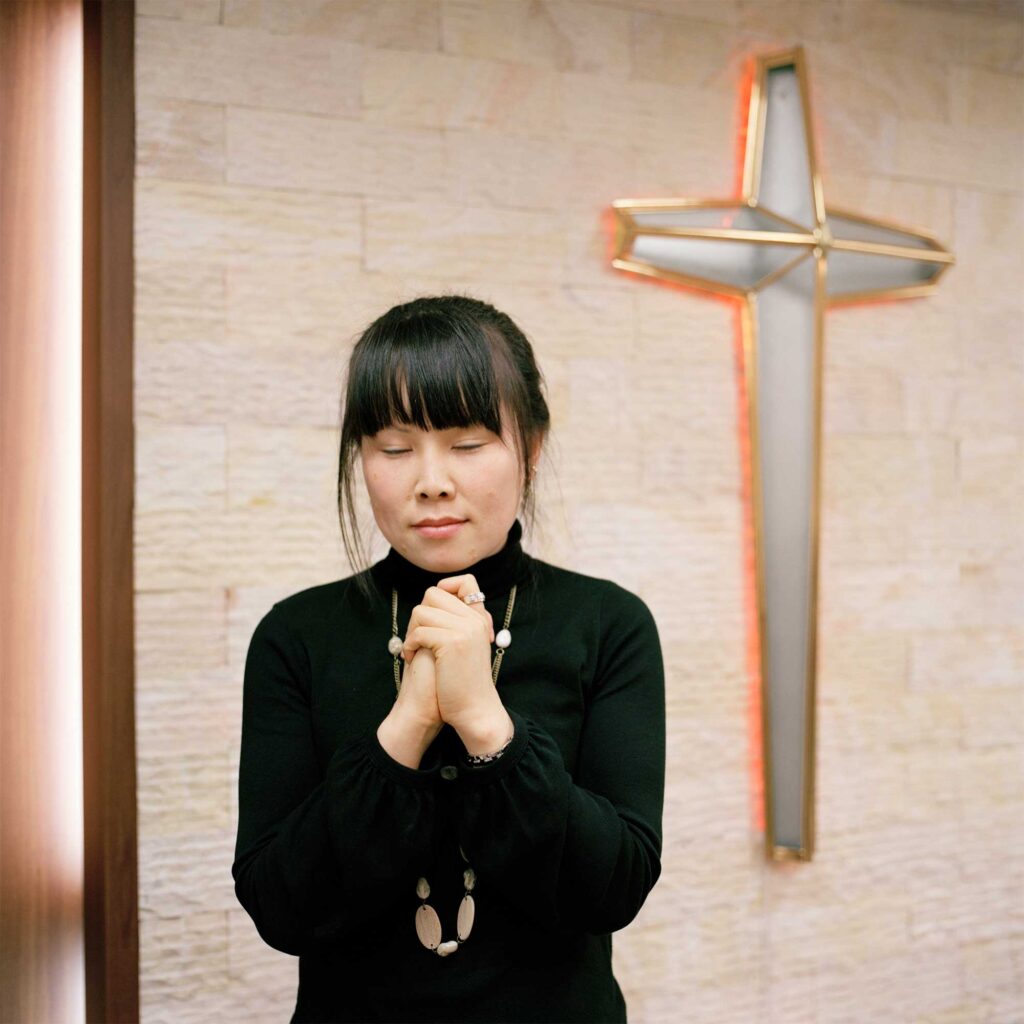
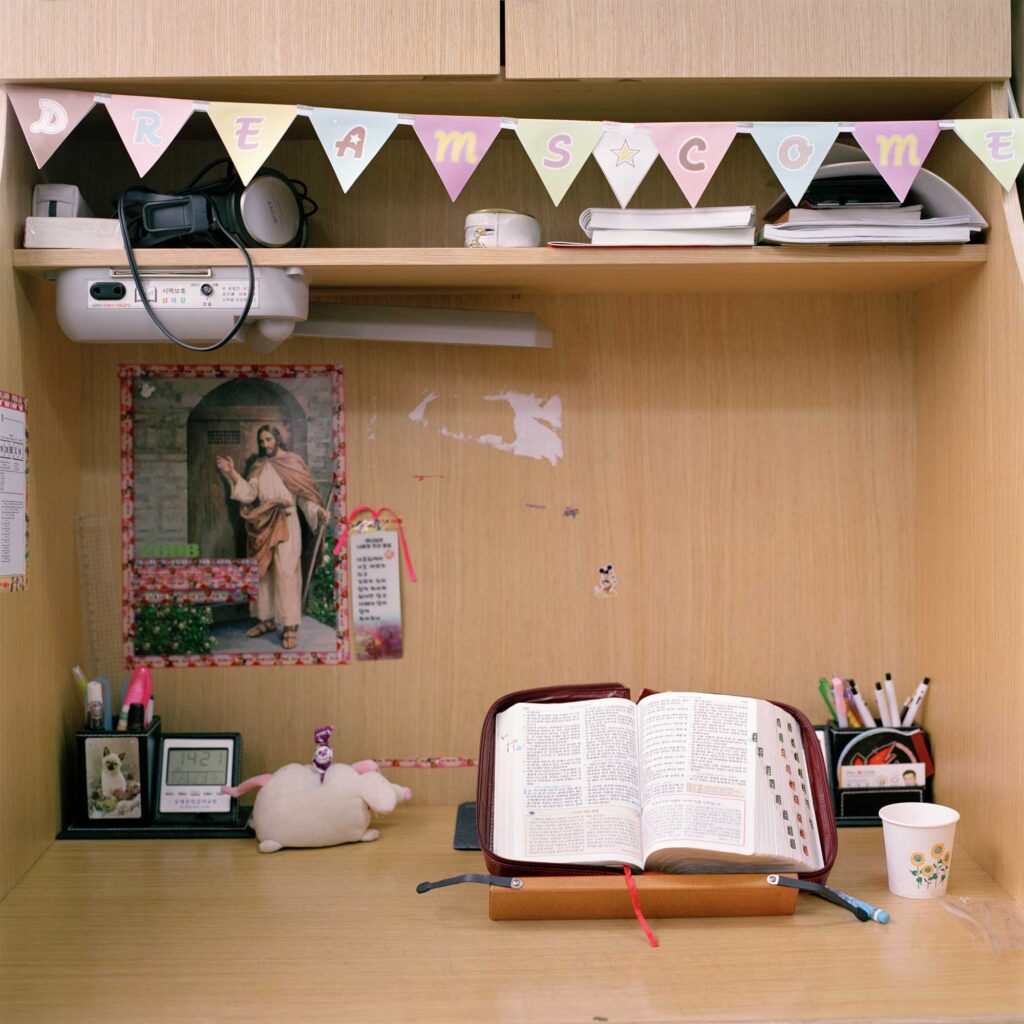
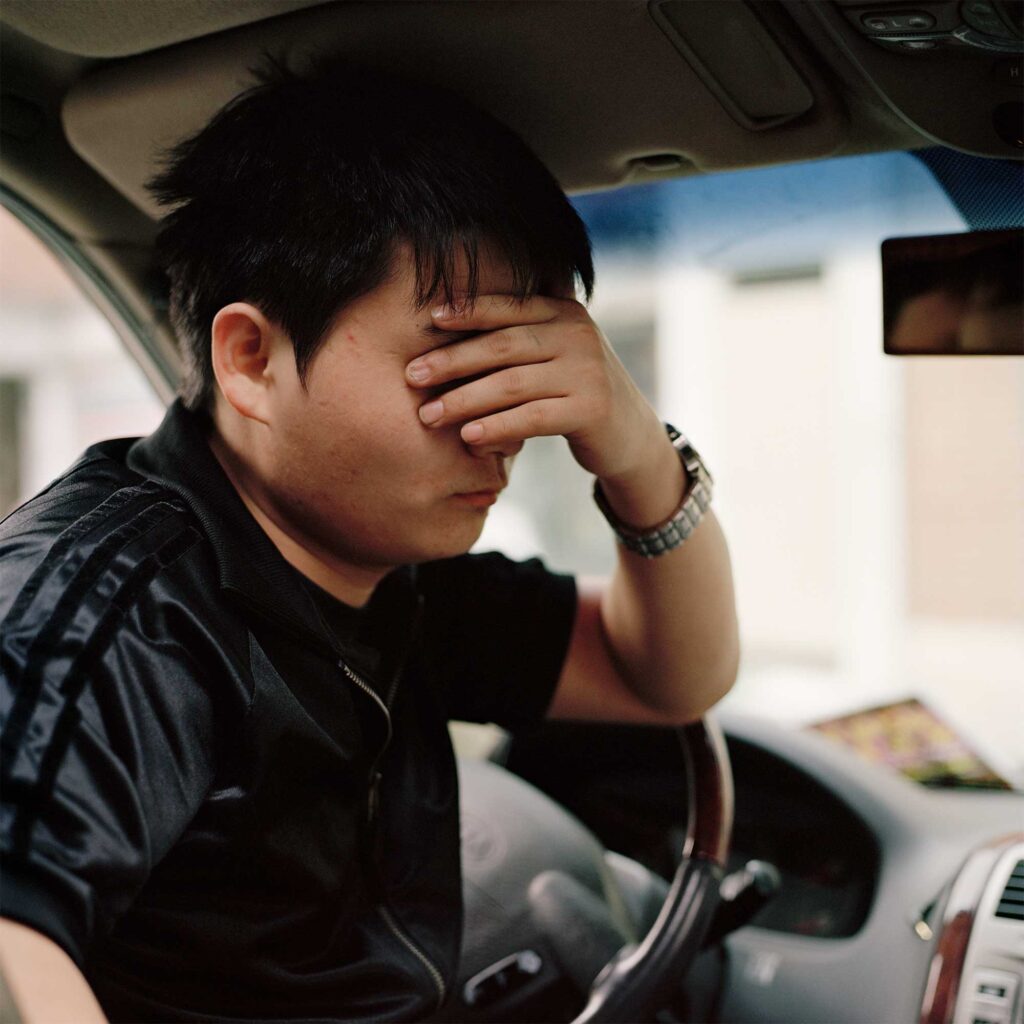
I photographed this series in Seoul and nearby areas over an extended period. My focus stayed on quiet moments rather than dramatic scenes. Daily routines, shared meals, and workspaces often revealed more than direct portraits. What stood out was persistence. Despite fear, loss, and uncertainty, many people showed a strong desire to rebuild their lives.
Why Divided Matters
Divided does not aim to explain the situation in full. Instead, it offers a close look at lives shaped by division and movement. Through photography, I wanted to create space for empathy. These stories continue long after the images were taken, and they remain part of the city I live in today.