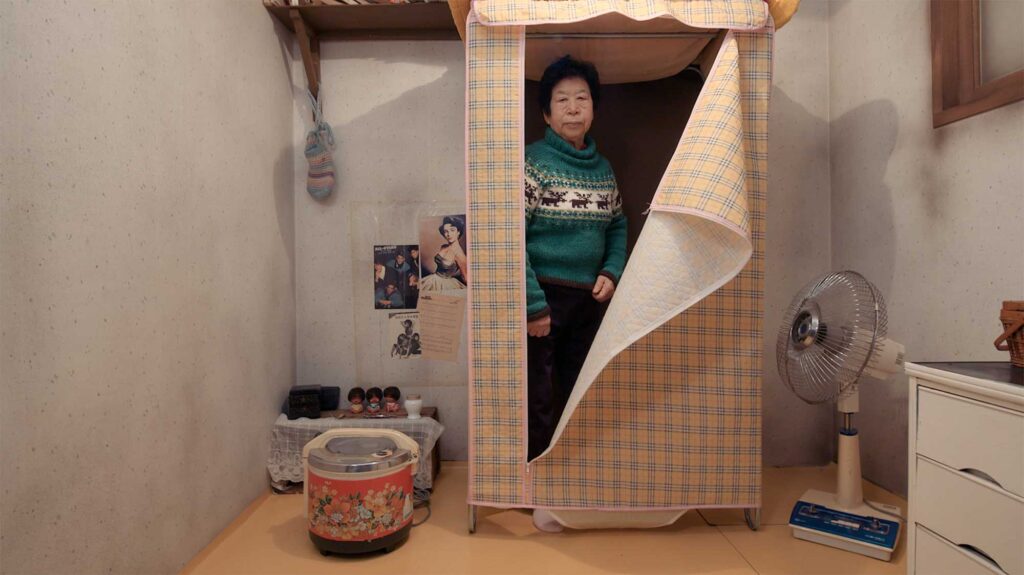
Bikini Words as an Editor’s Pick
Bikini Words was selected as an Editor’s Pick by The Atlantic. I’m grateful for the attention, but more importantly for the chance to keep this conversation around language and labor moving. The film looks at how words emerged during South Korea’s rapid industrial growth in the 1970s and 80s. It stays close to everyday language rather than historical explanation.
How the Project Began
The project started through conversations with Hongsung Kim of Design Studio Kerb and Jinbok Wee of Urban Intensity Architects. They were developing a long-term exhibition for Geumcheon District Office that focused on Korea’s economic growth from the 1960s to the mid-1990s. They approached me because much of my work deals with space and architecture. Together, we saw an opportunity to connect language with place.
The G-Index as a Starting Point
During research, I came across the G-Index, a collection of 99 words used by factory workers in G-Valley during the 70s and 80s. These words reflect physical strain, humor, fear, and adaptation. Rather than treating them as data, I wanted to let them shape the structure of the film.
Shaping the Film
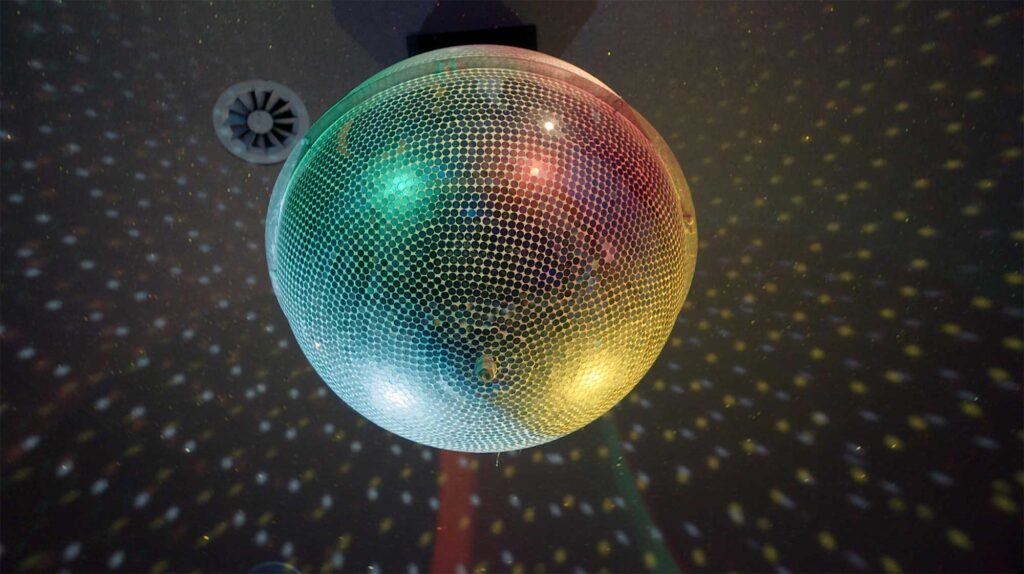
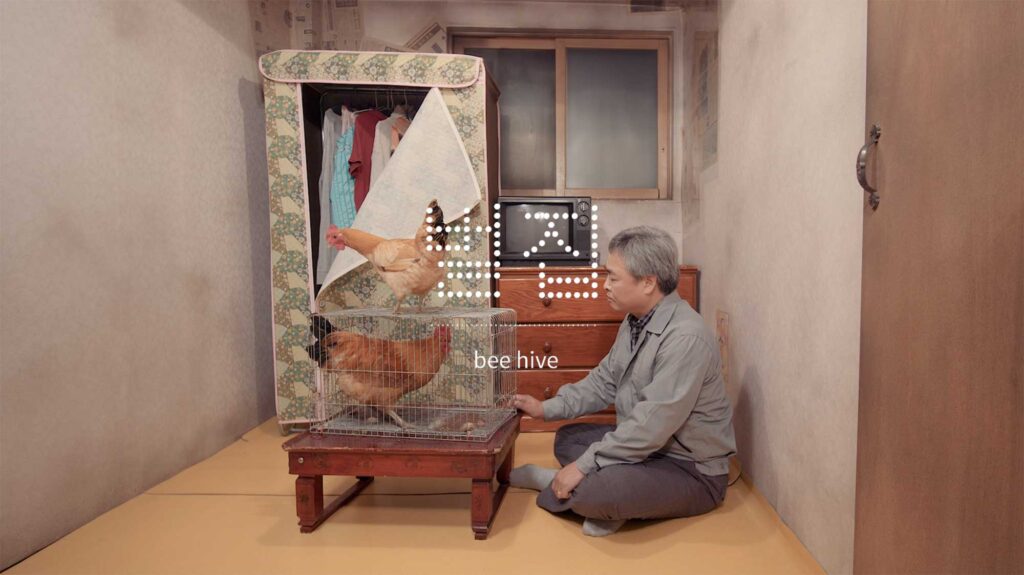
Together with producer Kuiock Park, I selected eight words from the list. Many of them combine Korean and Konglish. Each word became a scene. The title Bikini Words comes from one of these expressions. It points to the idea of stripping things down, both visually and emotionally.
Working With Former Factory Workers
Time was limited, and finding participants was not easy. Many former workers were cautious. Media portrayals had often simplified their stories. Trust grew slowly. A workers’ activist from that period helped us connect and acted as a bridge. Without that support, the film would not exist.
Visual Choices and Constraints
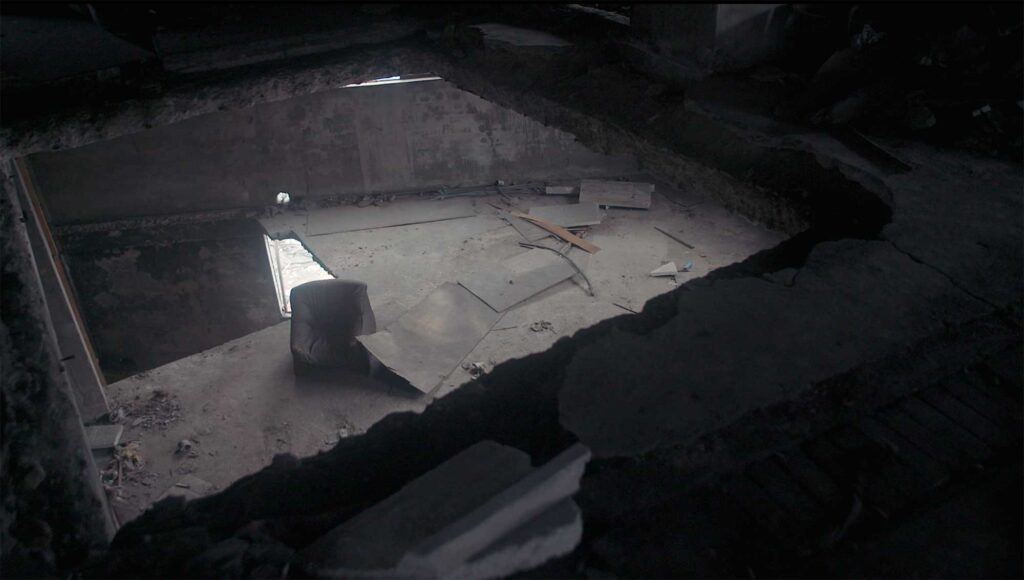
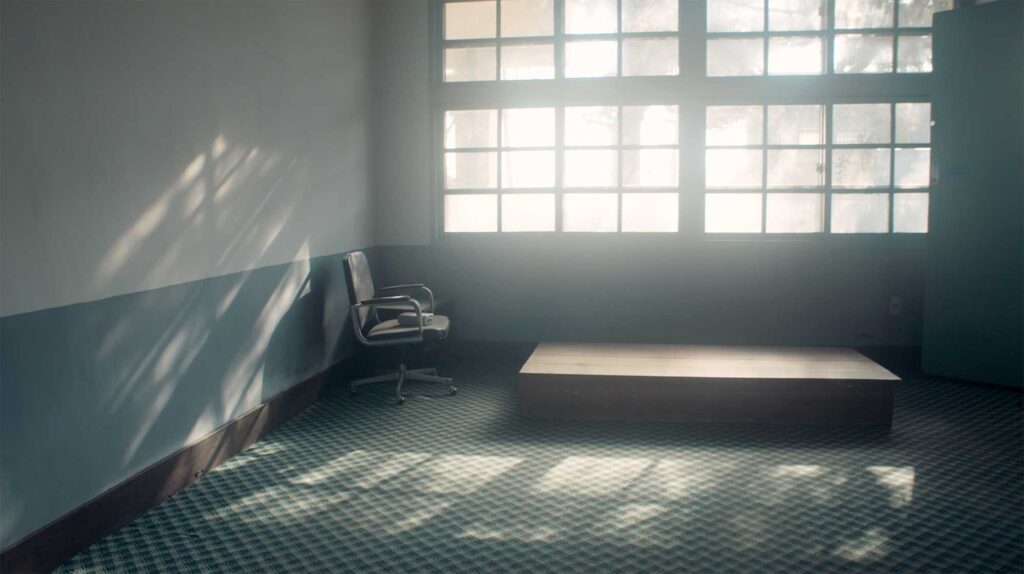
The production came with practical challenges, including equipment issues and location limits. Still, those constraints shaped the tone of the film. Empty spaces and stripped locations became part of the language. Absence carries meaning.
Balancing Form and Story
As a cinematographer, I pay attention to light, framing, and color. But in this project, the words mattered more than the image. The visuals exist to hold space for language, not to dominate it.
Working From Seoul
Living and working in Seoul keeps these questions present. The city changes quickly, yet traces of its industrial past remain if you look closely. That tension continues to influence how I approach storytelling.
On Cinema and Story
Technology keeps evolving, but that does not replace narrative. A film holds attention because of what it listens to, not what it shows off. Bikini Words stays small on purpose. It listens first.