Bikini Words at Liverpool Lift-Off
BIKINI WORDS received the award for Best Short Documentary at the Liverpool Lift-Off Film Festival in 2016. I’m thankful for the recognition and for the conversations the film continues to open.
Following Liverpool, the film was invited to screen at other Lift-Off festivals throughout the year, including Tokyo, Las Vegas, Vancouver, Los Angeles, Amsterdam, Singapore, Sydney, and London. Each screening placed the film in a new context, far from where it was made.
Starting Point: Language and Place
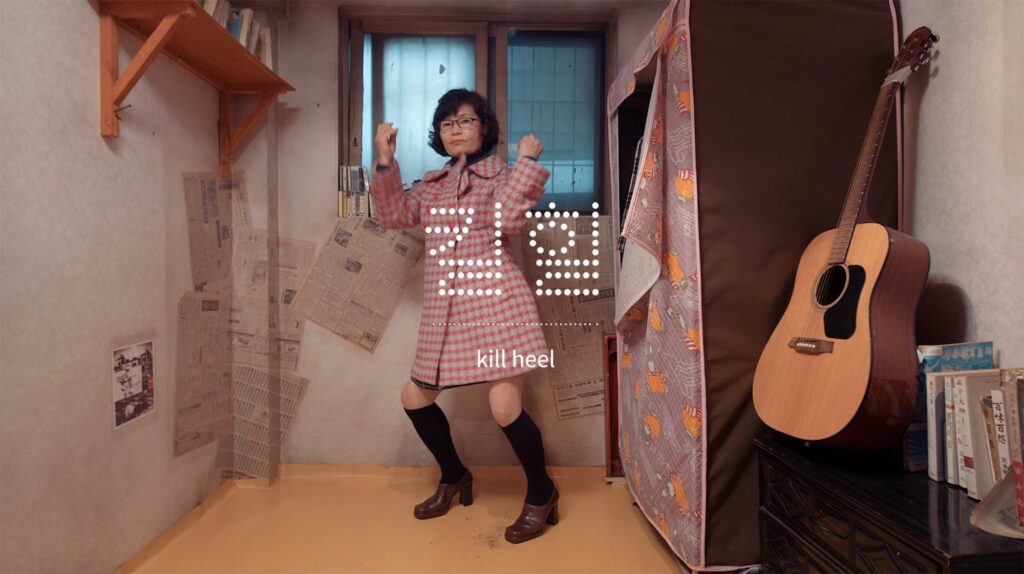
BIKINI WORDS began as a commission from the Geumcheon District Office in Seoul. The broader exhibition traced the area’s transformation during South Korea’s rapid economic growth from the 1960s to the mid-1990s. My contribution focused on language rather than architecture. I wanted to understand how factory workers described their own reality during that period.
The G-Index
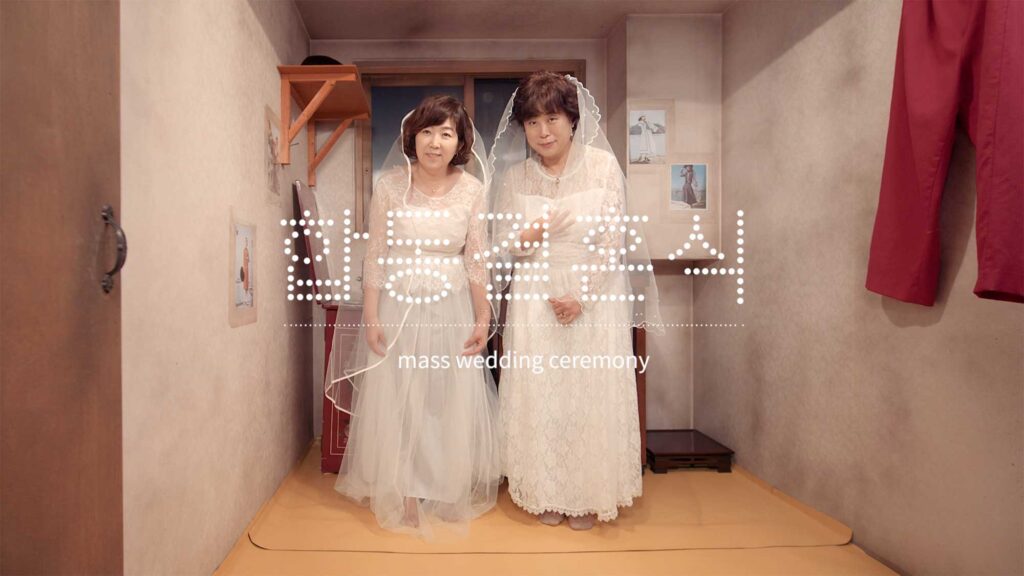
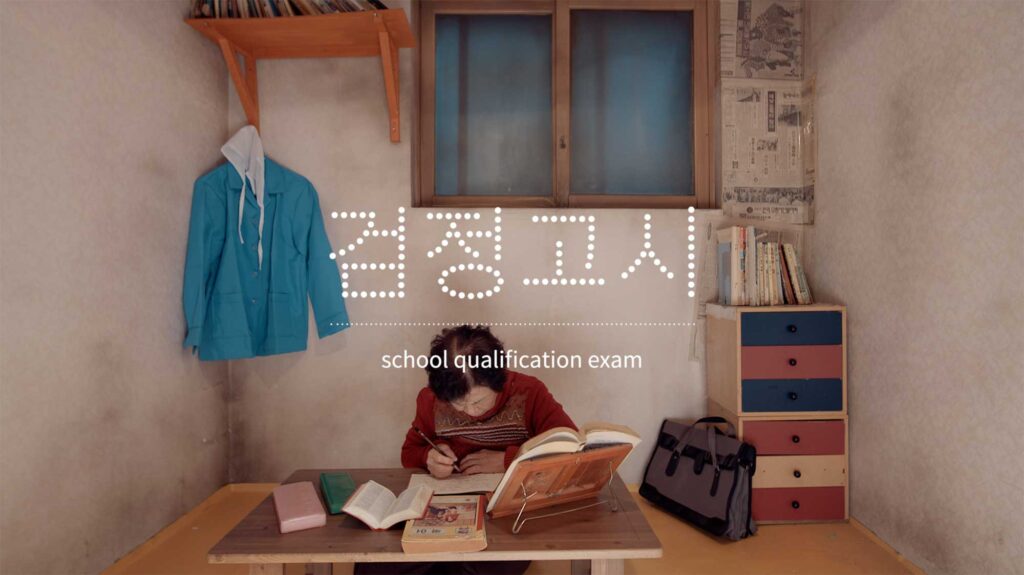
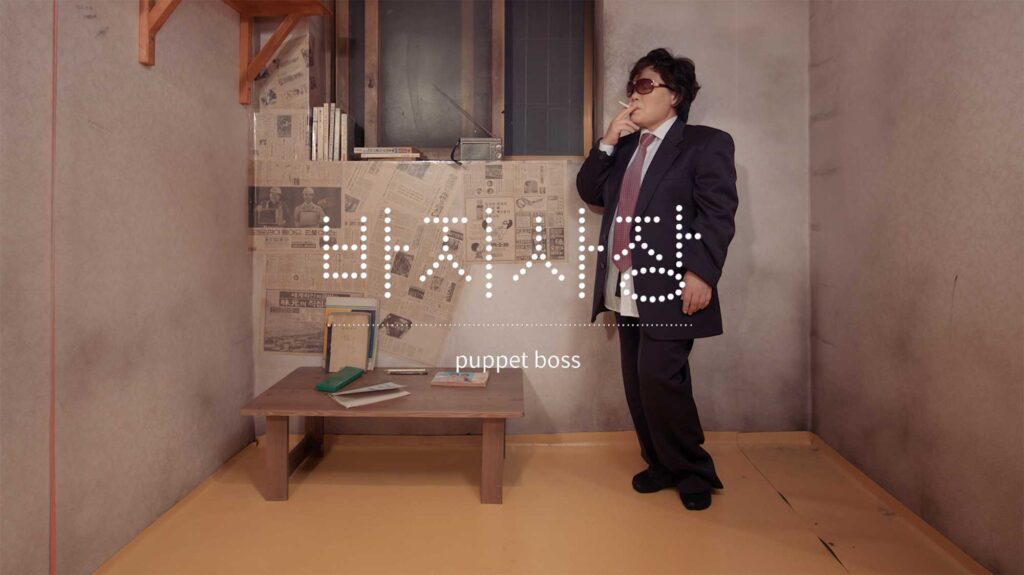
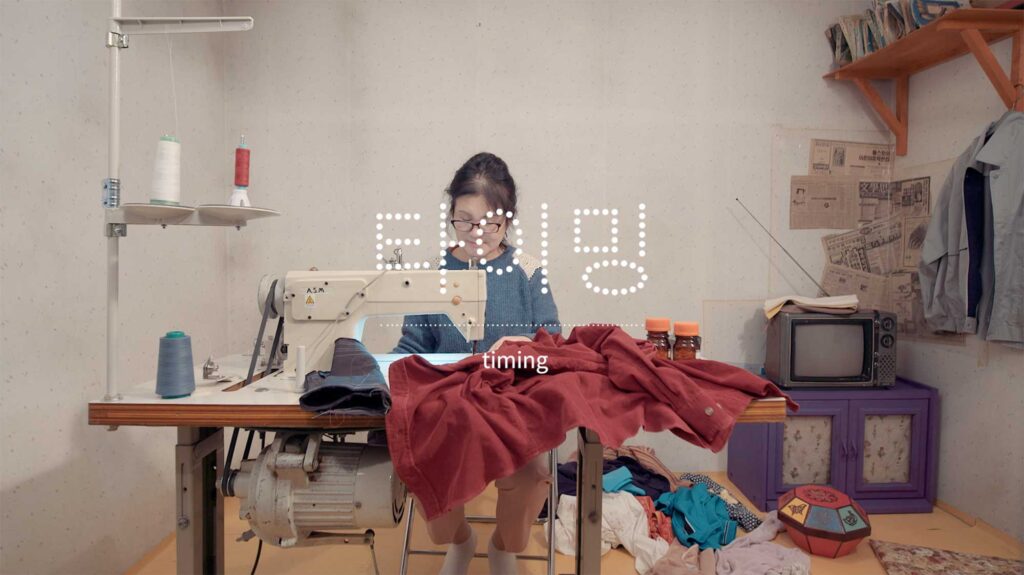
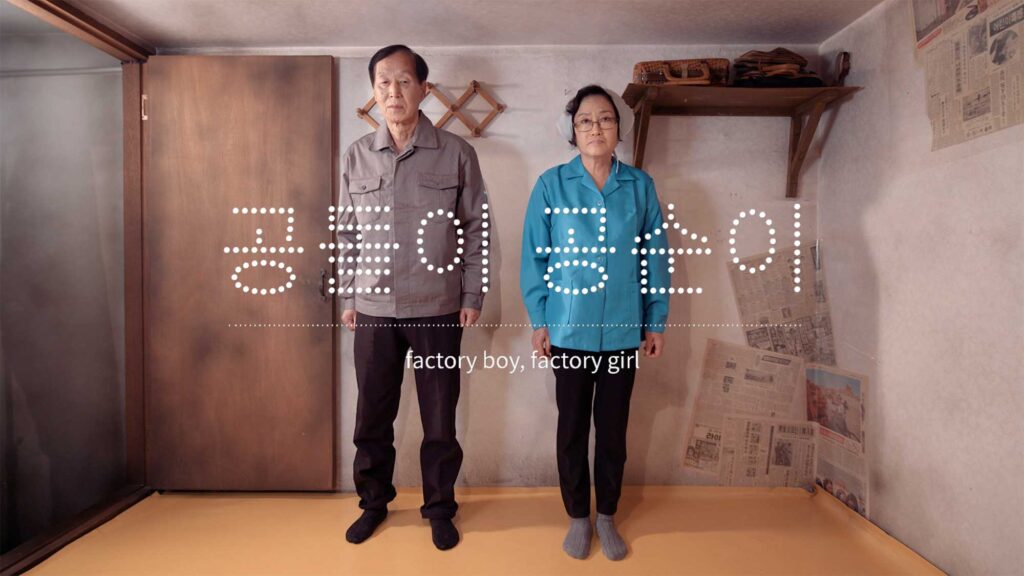
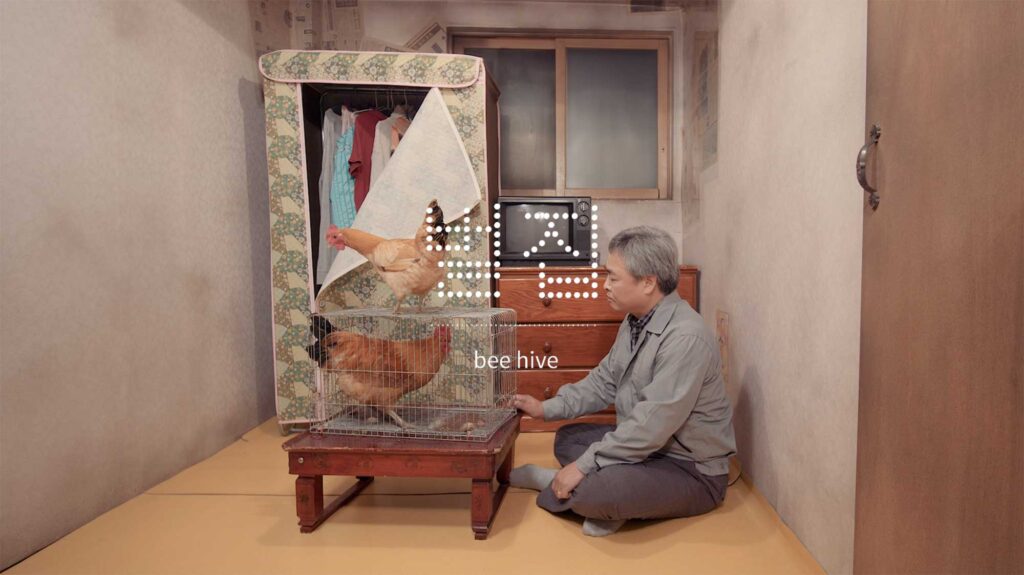
The structure of the film comes from the G-Index, a collection of 99 words used by factory workers in G-Valley during the 1970s and 80s. These words reflect exhaustion, humor, fear, and survival. Together with producer Kuiock Park, I selected eight terms. Each one became a short scene. The title BIKINI WORDS comes from one of these expressions and points to the idea of stripping things down to their core.
The Workers’ Stories: Capturing Intimacy in a Changing Landscape
Despite time constraints, Clauss and producer Kuiock Park masterfully portray the lives of workers from Geumcheon area. The film is a reflection on an era when industrial landscapes painted a different picture. Recruiting participants became a challenge. Yet the documentary authentically captures the experiences of those who toiled in factories during a pivotal period in Korean history.
Working With Former Factory Workers
Finding participants took time. Many former workers were cautious, partly because their stories had often been simplified or repeated in the media. With help from a workers’ activist who had been active at the time, we slowly built trust. The people who agreed to participate shaped the film more than any visual decision.
Spaces Without People
In many scenes, the spaces remain empty. That choice was intentional. I wanted the locations to carry memory rather than explanation. The idea of the “Bikini Closet” connects to this approach. What remains after everything unnecessary is removed.
Working From Seoul
Living and working in Seoul continues to influence how I approach projects like this. The city changes quickly, but traces of its industrial past are still present if you look closely. That tension between growth and disappearance sits at the center of the film.
On Cinema and Story
Technology keeps evolving, but it does not replace storytelling. For me, cinema still begins with listening. BIKINI WORDS stays small by design. It focuses on fragments of language and lived experience, and lets audiences connect them on their own. I’m grateful to everyone who supported the project and helped it travel.