Photographing Burberry’s Seoul Flagship Store
I had the opportunity to photograph the opening of Burberry’s first flagship store in Korea, located in Cheongdam-dong, Seoul. The project focused on the building itself and how the brand translated its identity into architecture. My role was to document the space as it exists, without embellishment, and to let the design speak through light, structure, and material.
The building was developed under the direction of Christopher Bailey, who oversaw the project from concept to completion.
Design and Architecture
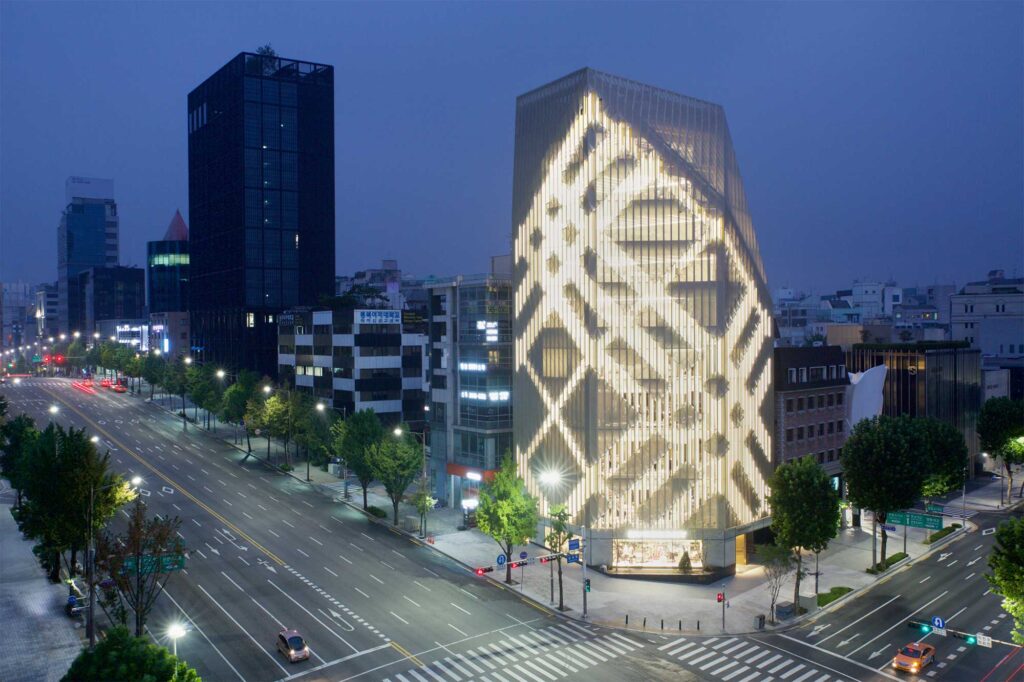
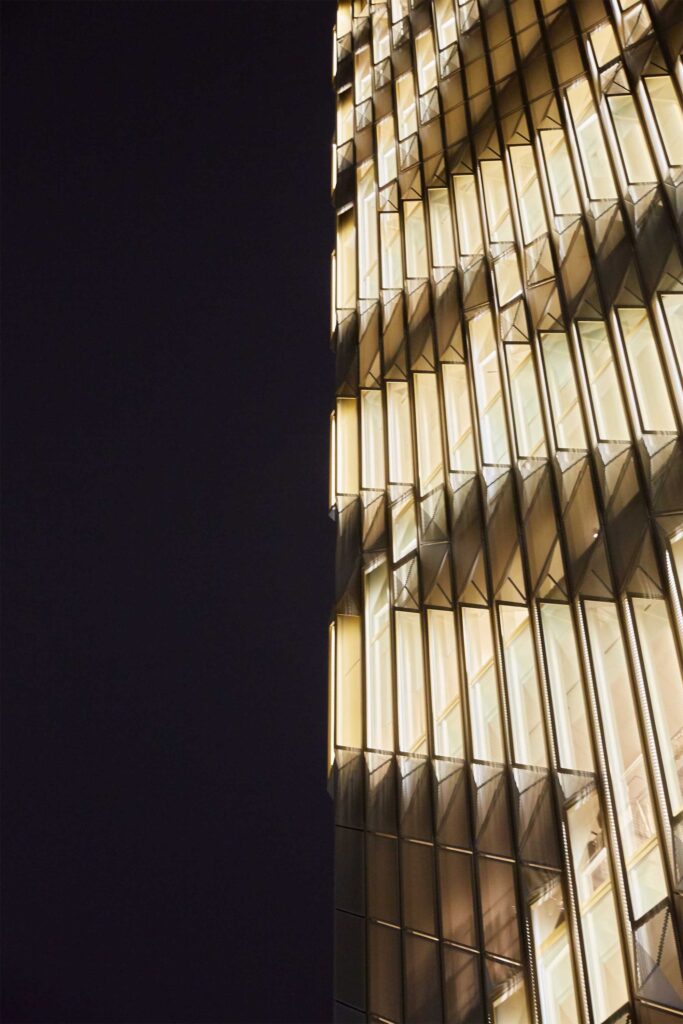
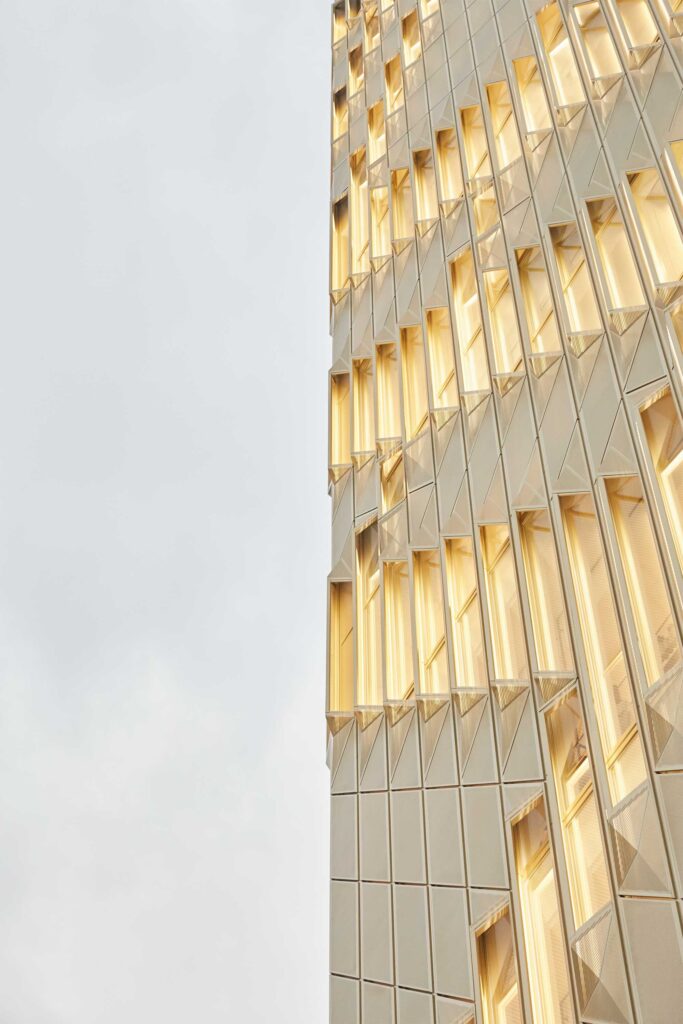
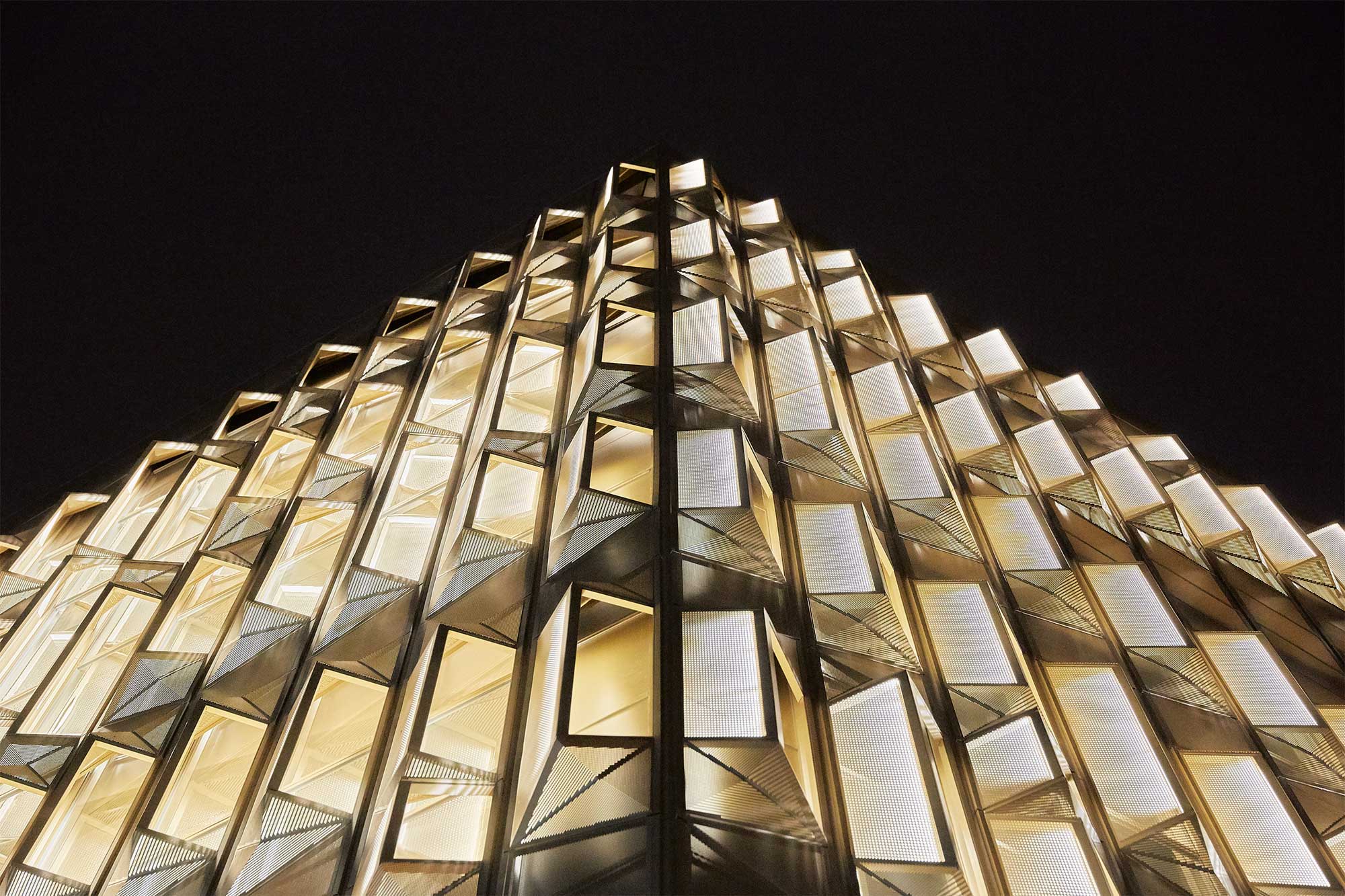
The store was designed by Tetra Architects Inc.. It rises twelve stories above the street and covers roughly 4,000 square meters. The glazed façade references Burberry’s gabardine trench fabric, translating a familiar textile pattern into an architectural surface. From a photographic perspective, this gave the building a subtle rhythm that changed with light and weather.
Material and Structure
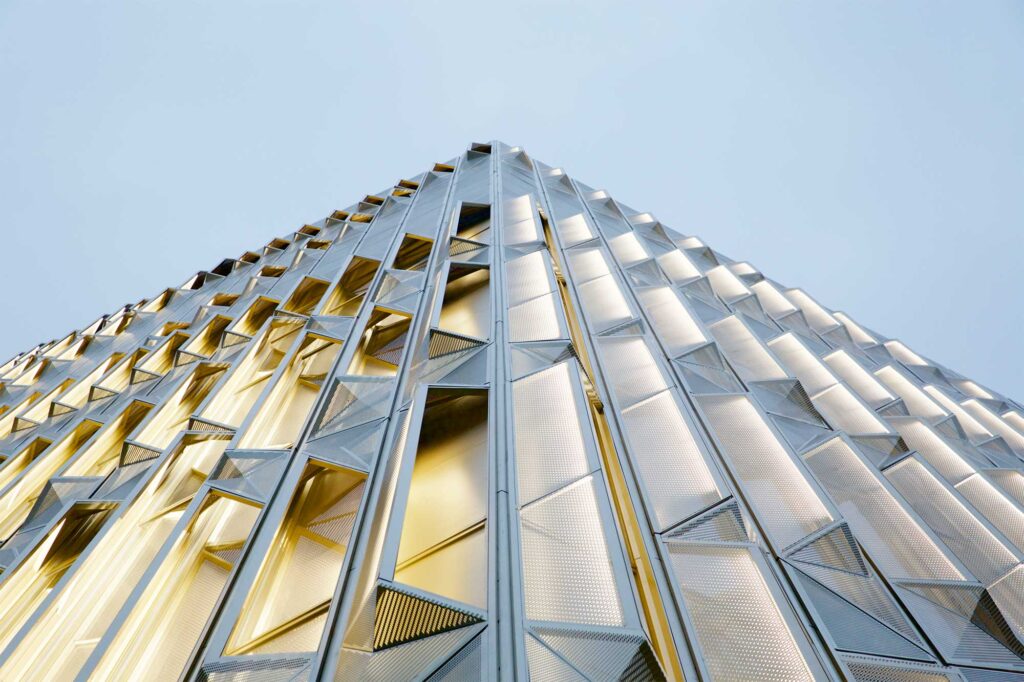
The exterior combines a glass curtain wall with a perforated aluminum layer. The metal skin extends outward in places, creating depth and shadow across the façade. While photographing the building, I focused on how these layers interact rather than on dramatic angles. The structure reveals its character best when observed calmly.
Location and Context
Positioned at the Cheongdam crossroads, the building sits within one of Seoul’s most active retail districts. It functions not only as a store but also as Burberry’s Korean headquarters. This dual role is reflected in the layout, which balances public-facing retail spaces with quieter working areas above.
Inside the Building
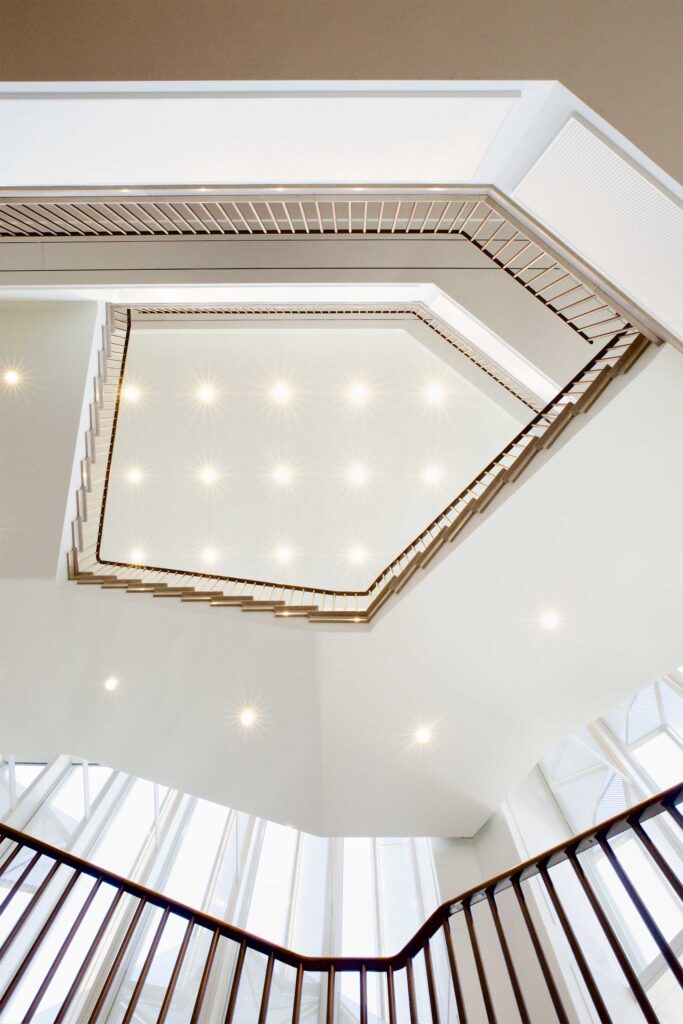
The interior brings together retail, office space, showrooms, and event areas across thirteen floors. The approach follows ideas previously explored on Regent Street in London, but adapted to the scale and pace of Seoul. Moving through the building feels intentional, with each floor clearly defined.
Digital and Spatial Experience
Digital elements play a noticeable role inside the store. Video walls, in-store screens, and a distributed sound system allow the space to shift between retail, exhibition, and live events. When documenting this, I aimed to show how technology sits within the architecture rather than overpowering it.
Product Presentation
The retail floors are organized into a series of rooms connected by stone staircases. The assortment ranges from runway pieces to heritage items like trench coats and scarves. Photographing these areas required restraint, keeping the focus on spatial flow instead of individual products.
The Scarf Bar
One area that stands out is the scarf bar, which offers a wide selection of cashmere scarves made in Scotland. Customers can add initials, continuing Burberry’s tradition of personalization. Visually, this space works because of its simplicity and repetition, which translated well on camera.
Limited Collections and Opening Context
For the opening, Burberry introduced a selection of Seoul-exclusive items, including trench coats and accessories. These details were part of the wider story of the launch, but I treated them as context rather than highlights.
Looking Back
Photographing this project was about observation more than interpretation. The building already carries a strong identity, and my task was to document it clearly and honestly. Seen this way, the Cheongdam flagship reflects how a global brand adapts its language to a specific place without losing its roots.