A Personal Starting Point
The territorial dispute over Dokdo / Takeshima has shaped relations between Korea and Japan for decades. I first encountered the issue not through books or headlines, but while filming a protest linked to Takeshima Day. That moment made it clear to me how deeply personal this conflict is for those involved. This realization became the starting point for the documentary This Island is Ours.
Activists at the Center
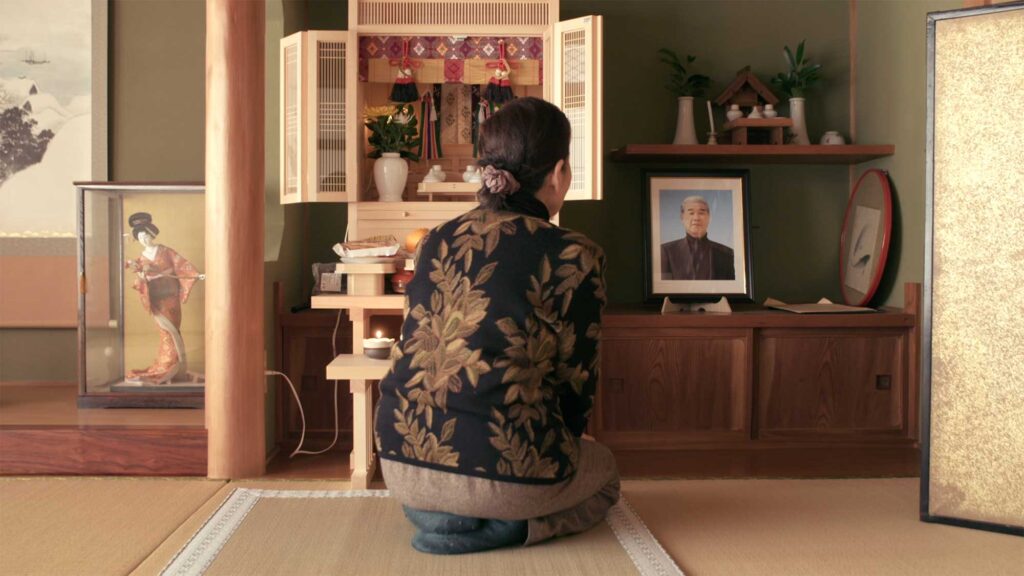
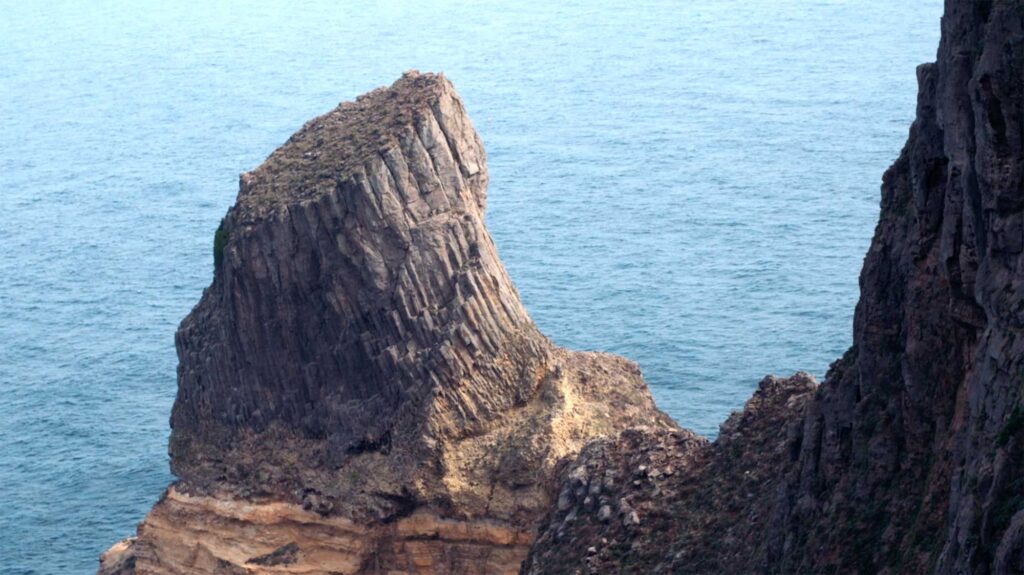
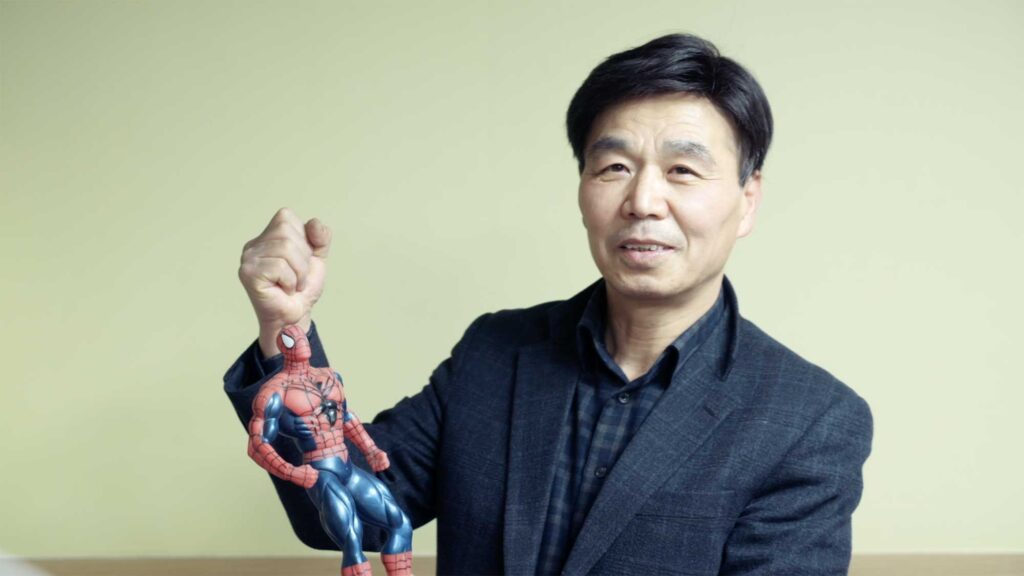
Rather than focusing on governments or official statements, the film follows two individuals. One is Mr. Choi, a Korean kindergarten caretaker whose activism has become part of his daily life. The other is a recently widowed Japanese housewife who has also dedicated herself to the cause from her side. Their lives orbit around a group of small islets, yet their motivations, routines, and emotional investments reveal striking parallels.
Working Across Disciplines
The project grew out of a collaboration between filmmaking and academic research. I worked closely with Alexander Bukh, who has spent many years studying territorial disputes and civic activism in Northeast Asia. His background helped frame the historical and political context, while my role was to stay close to the lived experiences unfolding in front of the camera.
Letting Go of Assumptions
Having lived in Korea for many years, I was aware that my own views were shaped by my surroundings. During filming, moments such as Japanese nationalists shouting at Mr. Choi challenged my assumptions on both sides. Instead of reinforcing a single narrative, the film gradually revealed how similar patterns of belief, emotion, and dedication exist among activists in both countries. These similarities, ironically, are part of what makes compromise so difficult.
A Different Kind of Documentary
This Island is Ours avoids the usual propagandistic tone often found in films about territorial disputes. We chose to focus on everyday actions, conversations, and personal histories. By doing so, the film stays with the activists themselves rather than judging their positions. The aim was not to resolve the dispute, but to show what it means to live with it.
Collaboration Across Borders
The documentary is the result of a close collaboration between myself, a filmmaker based in Seoul, and Alexander Bukh, who is based in Wellington. Working across cultures and disciplines shaped both the process and the outcome. The film reflects that shared effort to understand, rather than simplify, one of Northeast Asia’s most enduring conflicts.
Looking Beyond the Islands
This Island Is Ours is ultimately about people, not territory. Through the lens, the dispute becomes less about lines on a map and more about identity, memory, and belonging. I hope the film offers space to reflect on how deeply political conflicts can shape individual lives, often in ways that remain unseen.