Bikini Words at the Budapest Architecture Film Days
In March 2017, BIKINI WORDS screened at the 9th Budapest Architecture Film Days. The event was hosted by the Hungarian Contemporary Architecture Centre and brought together films that explore architecture, space, and society. It felt like a fitting context for the film, which looks at language as a byproduct of industrial space.
The screening in Budapest followed shortly after the London Lift-Off Film Festival. Seeing the film move between different audiences once again reminded me how differently a project can be read, depending on context and expectation.
From Lift-Off to Budapest
Before Budapest, BIKINI WORDS received Best Short Documentary at the Liverpool Lift-Off Film Festival 2016. Since then, the film has traveled through several Lift-Off events worldwide. It was later nominated for the Lift-Off Season Awards 2016 in the same category.
Each festival brought a slightly different conversation. Some focused on the social aspect, others on architecture, and some primarily on language. That shift has been part of the learning process.
Audience Feedback and Different Perspectives
After the London Lift-Off screening, the film was evaluated through audience feedback forms. These responses offered an honest reminder that films never land in the same way for everyone. What feels clear to one viewer may raise questions for another.
I see this less as a problem and more as a reflection of how personal film viewing can be. Especially with a subject rooted in history and language, reactions often depend on one’s own background and expectations.
Why Bikini Words Exists
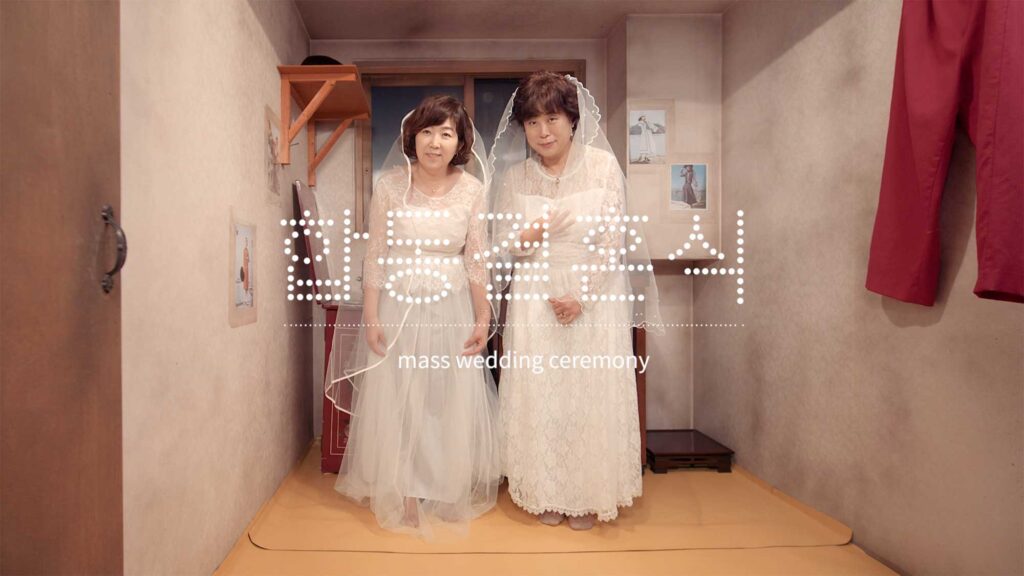
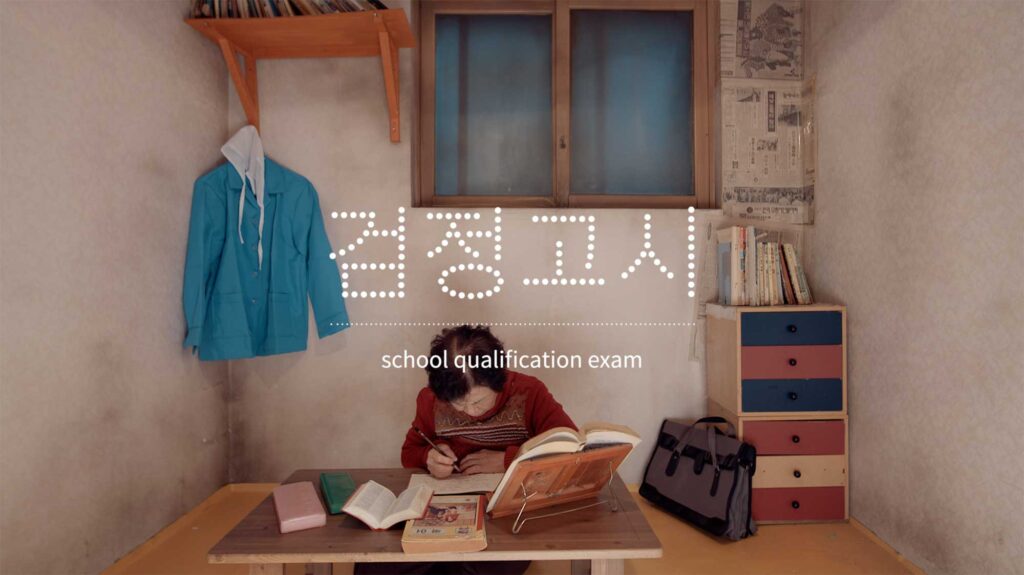
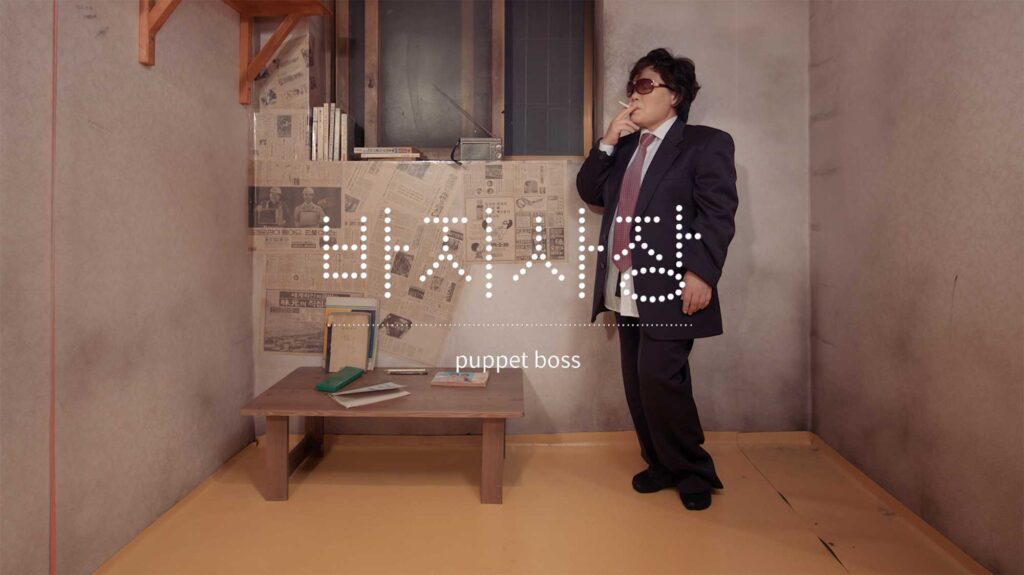
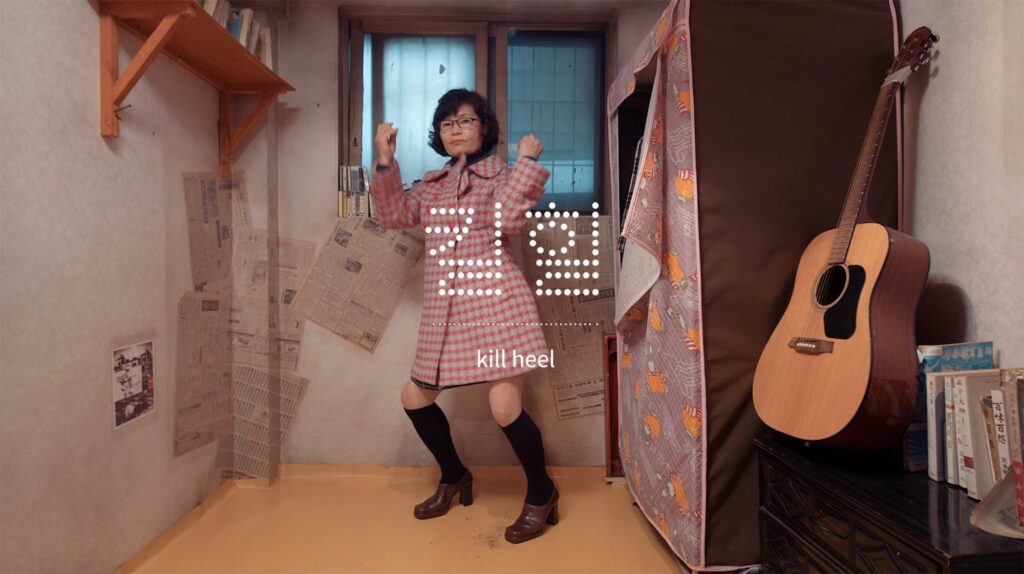
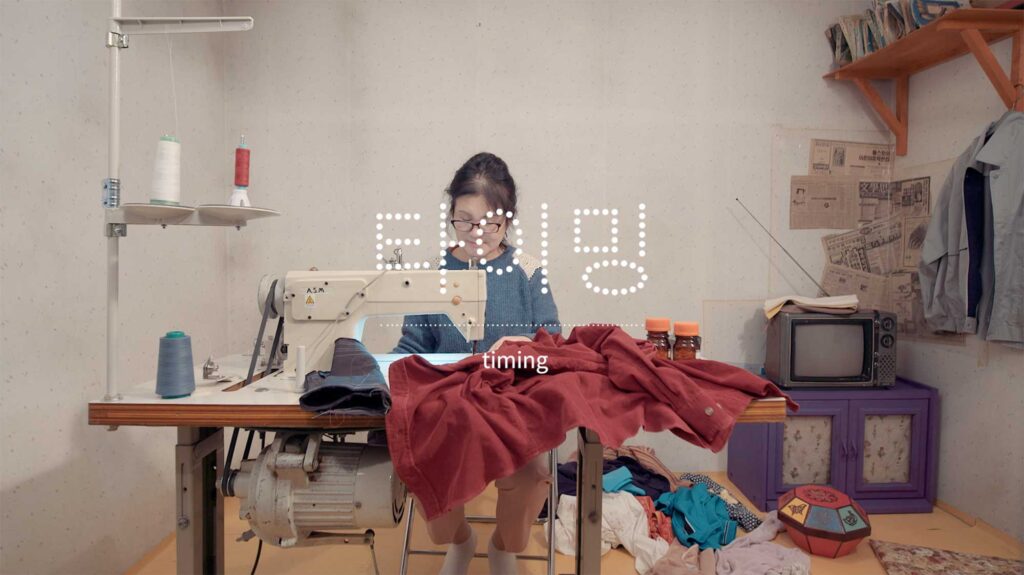
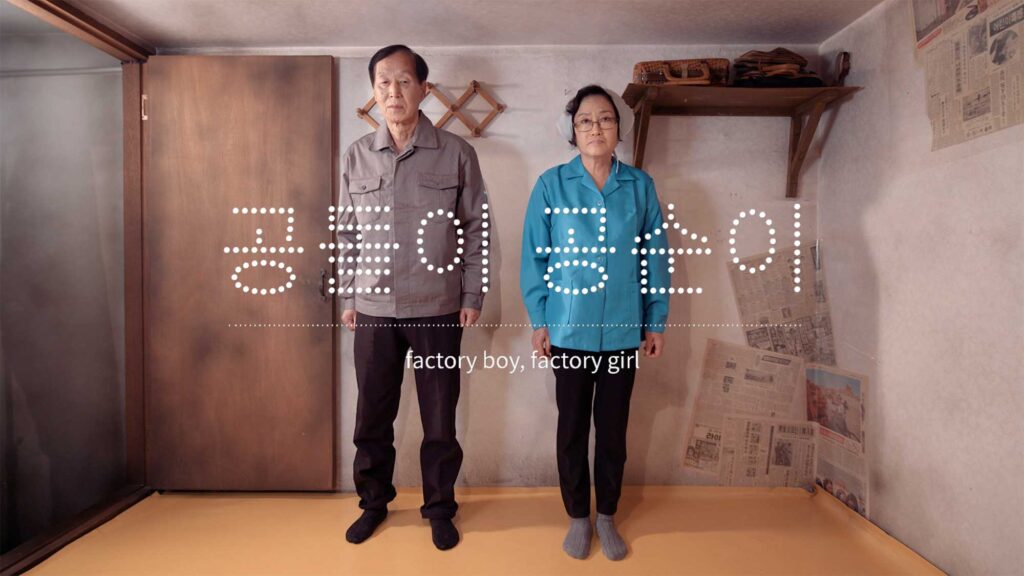
BIKINI WORDS looks at the vocabulary that emerged among South Korean factory workers during the 1970s and 1980s. During that time, millions of people moved into dense industrial areas. Living conditions changed quickly, and with them, language followed.
A new set of words developed to describe factory life, shared housing, and unfamiliar urban routines. These words helped workers make sense of a reality that had little precedent in Korean society.
Choosing Eight Words
For the film, I focused on eight words from that period. Each word points to a specific condition or experience tied to industrial space. Together, they form a loose narrative that moves through South Korea’s disappearing industrial landscapes.
Rather than explaining everything, the film leaves space for interpretation. I wanted viewers to move through these spaces and words at their own pace, much like memory itself.
Looking Back from Budapest
Screening Bikini Words at an architecture-focused festival like Budapest Architecture Film Days reinforced why I made the film in the first place. Language, space, and everyday life are closely linked. When one changes, the others follow.
Seeing the film continue this journey has been quietly encouraging. It confirms that these small, specific stories can still travel and resonate, even far from where they began.