Plastic Girls: Closing a Korean Short Film Trilogy
Plastic Girls is the final film in my Korea-based short film trilogy, following Bikini Words and Last Letters. I made the film while living and working in Seoul, where I have been based since 2005. As a cinematographer and director, this project allowed me to approach gender issues through space, architecture, and visual observation rather than direct commentary.
Plastic Girls on Directors Notes
After BIKINI WORDS and LAST LETTERS, PLASTIC GIRLS was featured on Directors Notes, a platform that focuses on independent filmmaking. In the accompanying interview, the discussion centers on the relationship between commerce and the sexualization of public space. The feature reflects my ongoing interest in testing and redefining the boundaries between documentary and fiction.
About Plastic Girls
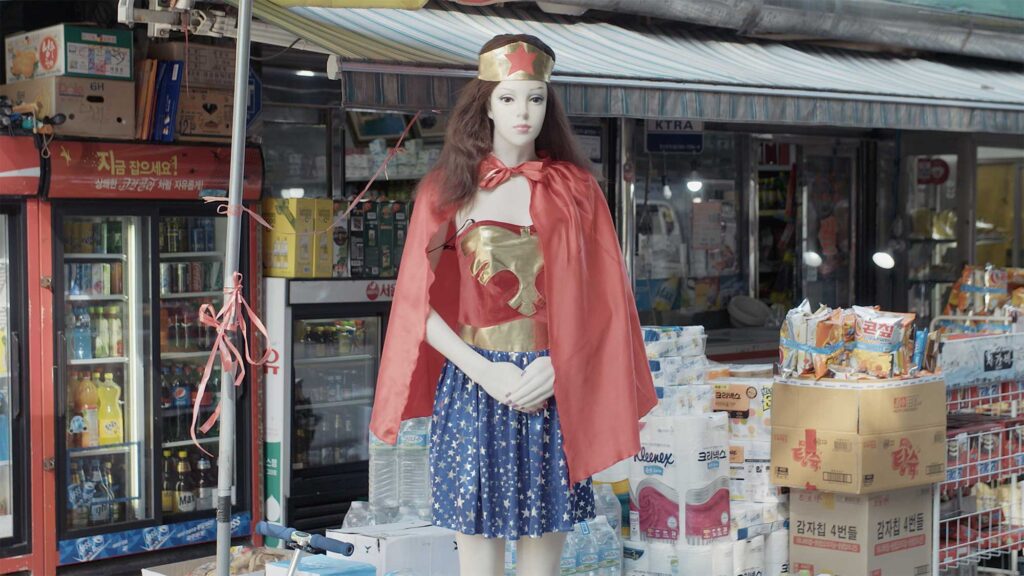
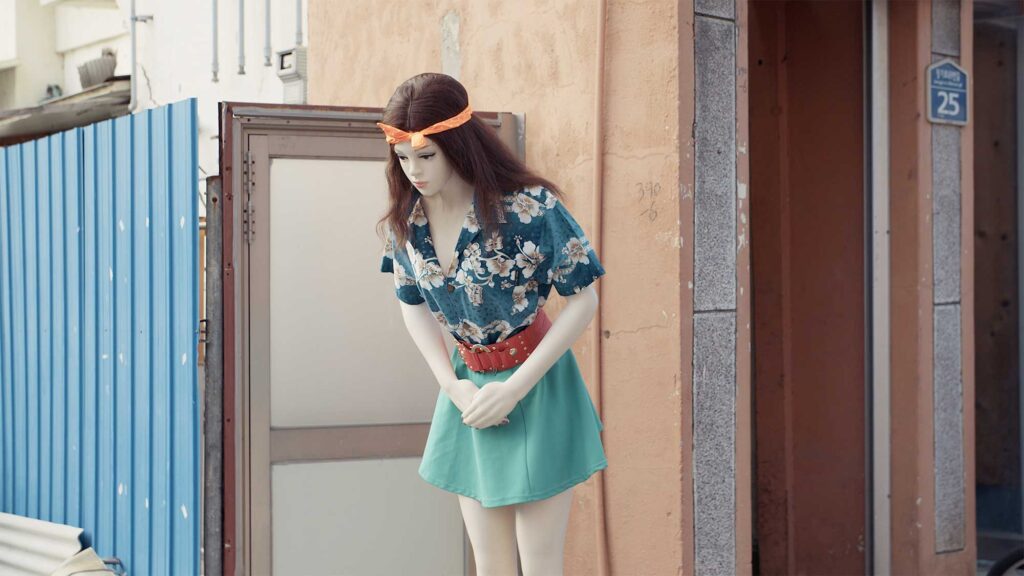
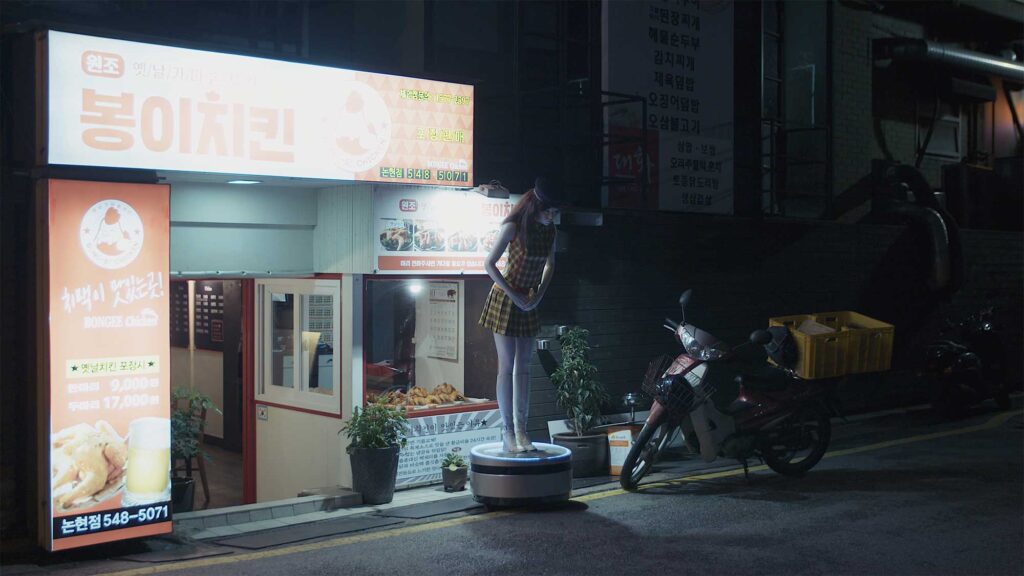
Plastic Girls is a short documentary built around mannequins found across Seoul. Instead of using human protagonists, I chose plastic figures to create distance and space for reflection. The film does not aim to accuse or judge. It observes and asks questions. Viewers can watch the film and read the full interview on Directors Notes via their platform.
A Different Direction Within the Trilogy
Like the earlier films in the trilogy, Plastic Girls is rooted in space and architecture. At the same time, it takes a different direction by focusing on gender representation. The film blends documentary and fictional elements and relies heavily on sound and rhythm to guide the experience.
Living With Gender Imbalance
Living in South Korea for many years has made gender inequality visible in everyday life. As a foreigner, I had to learn how deeply these structures are embedded in social and commercial environments. While Plastic Girls emerges from a Korean context, the issue it addresses extends far beyond one country.
Using Discomfort as a Tool
The mannequins play a central role because they create unease without directly pointing fingers. Their presence reflects how public space often treats the female body as an object. By choosing mannequins instead of people, the film avoids stereotypes and invites viewers to reflect on familiar environments in a new way.
Reaching Beyond Korea
Although Plastic Girls is grounded in Seoul, it was always meant for an international audience. The questions it raises about gender, visibility, and space apply across cultures. The film aims to open conversations rather than close them.
Looking Ahead
Plastic Girls concludes the trilogy, but it also marks a shift in how I approach documentary work. It reinforces my interest in quiet observation and indirect storytelling. Screenings such as Cinequest 2018 offered a chance to share this work with audiences beyond Korea and continue the conversation.