Art Attack: Filming an Artist Residency Near the Korean DMZ
Art Attack is a short documentary I shot and directed near the Korean Demilitarized Zone. The film grew out of time spent in Yangji-ri, a small village just south of the North Korean border, where international artists gathered for a residency program. What interested me was not only the location, but the collision of cultures, expectations, and values that unfolded there.
The DMZ as a Setting
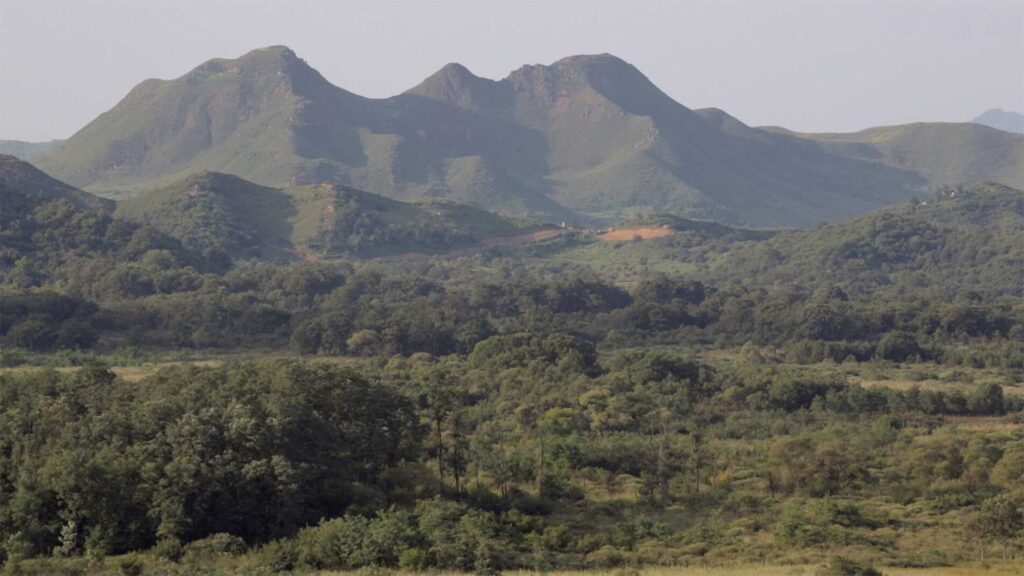
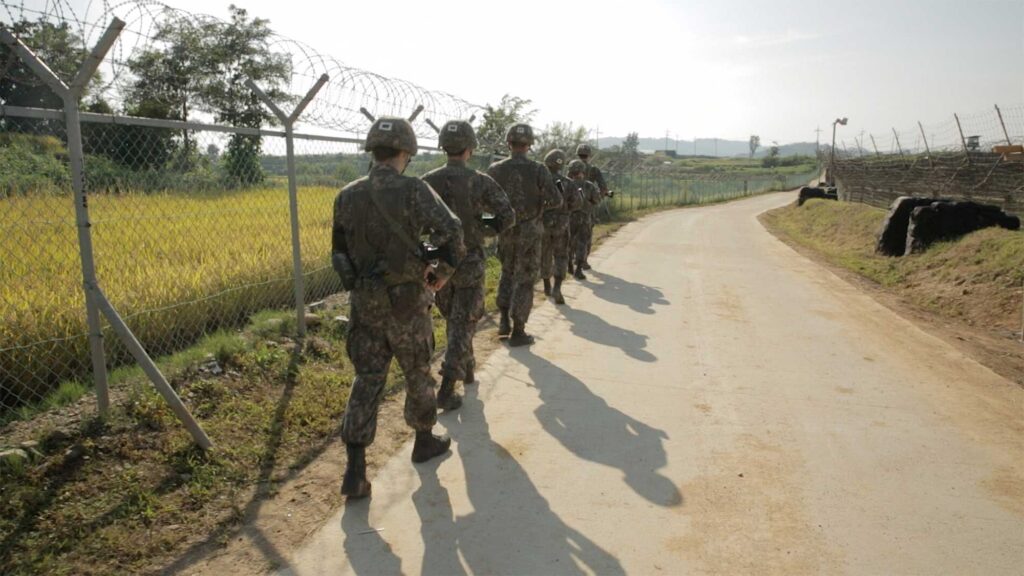
The DMZ is one of the most heavily guarded borders in the world. It separates North and South Korea and remains under constant military control. Once a year, however, this tense landscape briefly changes when artists arrive in nearby Yangji-ri to take part in a residency and exhibition program. That contrast between military reality and artistic ambition became the starting point for the film.
Art Attack in Yangji-ri
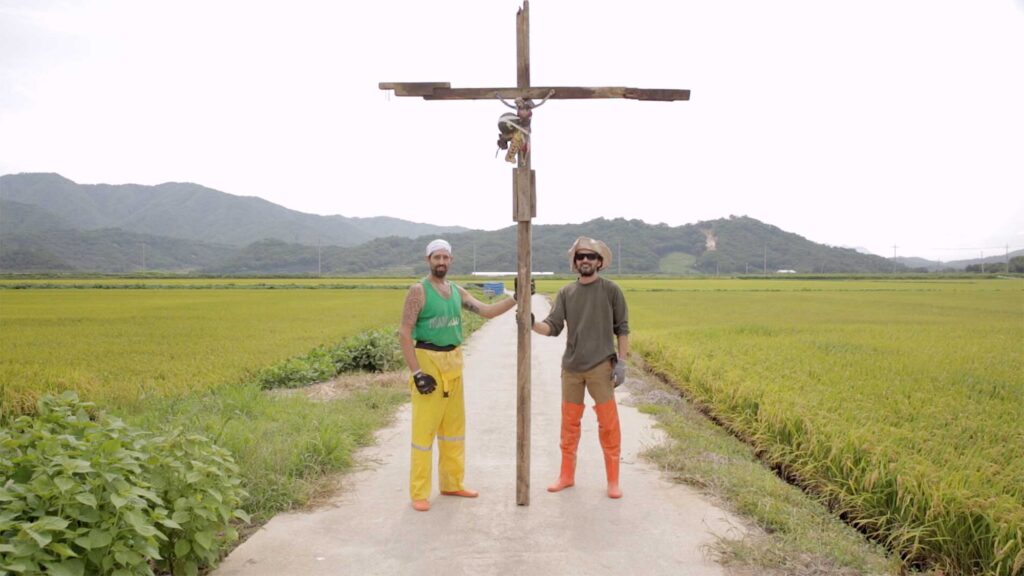
Art Attack takes place during a contemporary art residency hosted in Yangji-ri, supported by Art Sonje Gallery in Seoul. Artists from different countries live and work in the village ahead of the exhibition. On paper, the project reads like a typical international art program. On the ground, it feels very different. The film moves between observation and subtle fiction, allowing moments to unfold rather than forcing a clear narrative.
Behind the Scenes of the Residency
I spent several days in Yangji-ri filming daily interactions, preparations, and conversations. With support from the Goethe Institut Korea, I was able to approach the project with a certain freedom. Instead of documenting the exhibition itself, I focused on what happens around it. Cultural misunderstandings, unspoken hierarchies, and quiet tensions began to surface. The villagers watched from the sidelines while the international art world played out in their streets.
Looking at the Global Art Circuit
Art Attack reflects my own observations of the international art scene. The film questions how ambition, networking, and personal gain can shape creative environments. It also asks who gets heard and who remains invisible when global culture arrives in a very local place. The villagers’ voices stay mostly absent, and that absence became part of the film.
Using Humor as Distance
Although the subject touches on heavy themes like the DMZ, cultural dominance, and art colonialism, I chose a restrained and sometimes dry sense of humor. Most of that tone emerged during editing. Humor created distance and allowed the film to stay critical without becoming didactic. The result is a film that observes rather than judges.
Closing Thoughts
Art Attack is my attempt to look at the art world from the edge of the DMZ. It’s a small film about a small place, shaped by a very large system. I’m grateful to everyone who took the time to watch it and engage with the questions it raises about art, power, and place.