Lose Against You — music video
I worked as cinematographer on the music video for Lose Against You, a track by Austrian singer-songwriter Nana D. The video was directed by Max von Lux. Together, we set out to translate the mood of the song into a visual narrative that stays close to its emotional core.
Collaboration and approach
From the beginning, the project grew out of collaboration. Max von Lux developed a clear narrative idea, and my role was to shape its visual language. We worked closely to keep the images restrained and focused, allowing the song to lead the rhythm and tone.
Rather than illustrating the lyrics directly, we looked for images that could carry the same sense of vulnerability and distance present in the music.
Visual structure
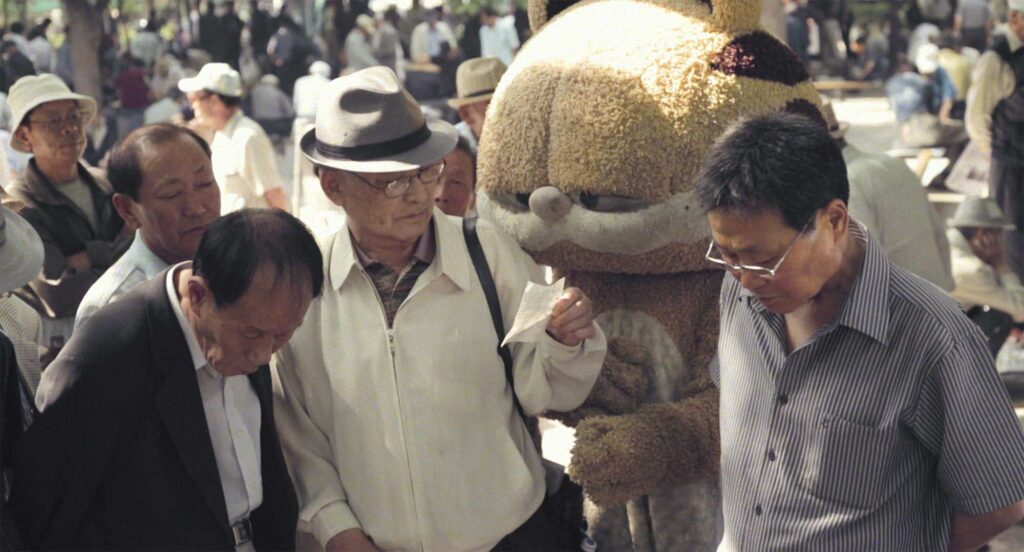
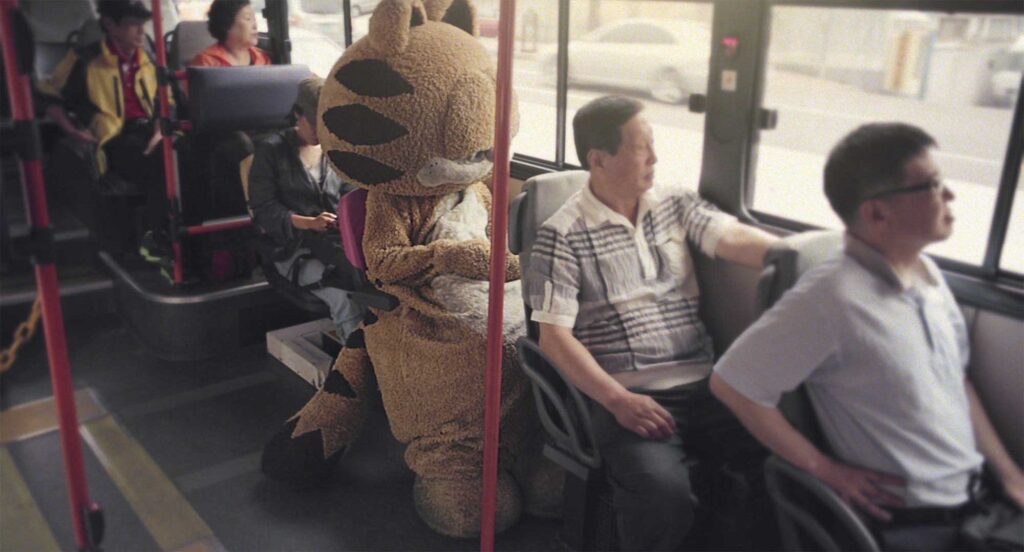
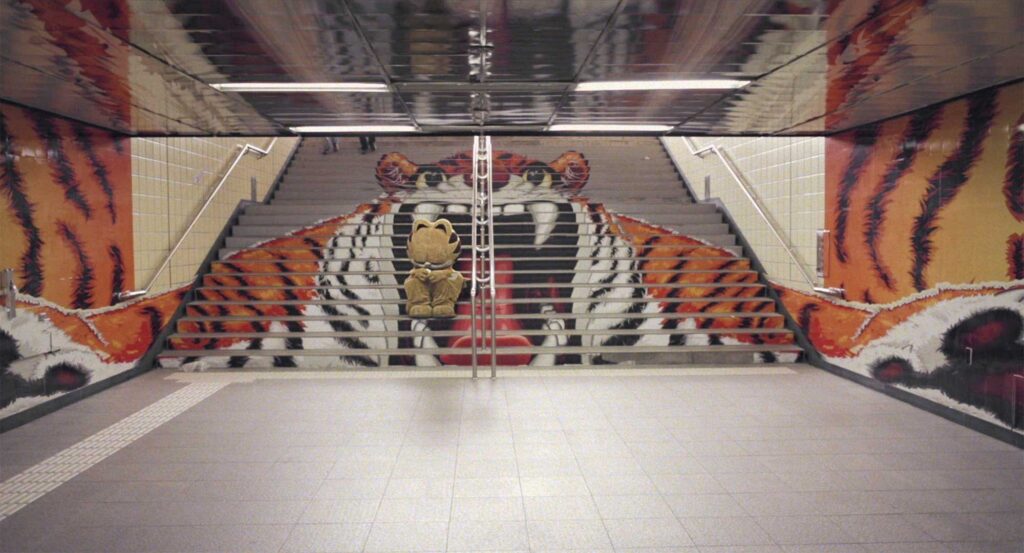
The video follows a simple but emotionally charged premise. At its center is a cat searching for its birth mother after learning that it was adopted. This story of separation and belonging unfolds quietly, without explanation or dialogue.
Through framing, light, and pacing, we treated the film as a short narrative rather than a performance-driven music video. Each scene builds on mood rather than action.
Cinematography
My cinematography focused on closeness and observation. I avoided expressive camera movement and instead worked with subtle shifts in perspective. This allowed the images to remain open and reflective.
The goal was not to amplify emotion, but to hold it. In this way, the visuals support the song without competing with it.
Music and meaning
Nana D’s voice and songwriting carry much of the emotional weight. The images respond to that tone and leave space for interpretation. Together, sound and image form a shared rhythm that guides the viewer through the story.
A contained narrative
Lose Against You works as a self-contained piece. It does not resolve its questions or offer clear answers. Instead, it stays with the feeling of searching—both emotional and physical.
For me, the project reflects an interest in music videos as short narrative forms. When image and sound remain balanced, they can open a space for reflection that lasts beyond the final frame.