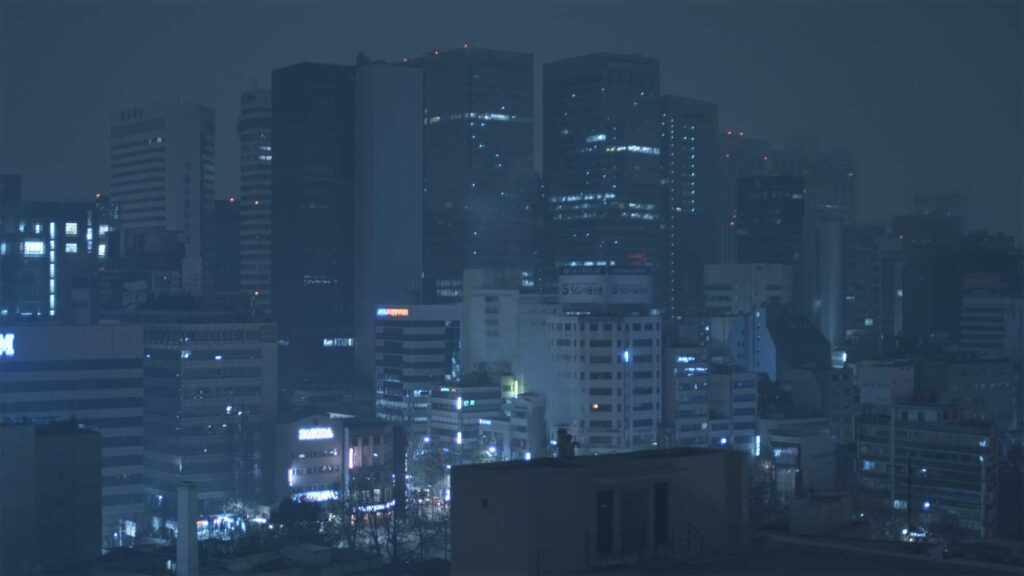
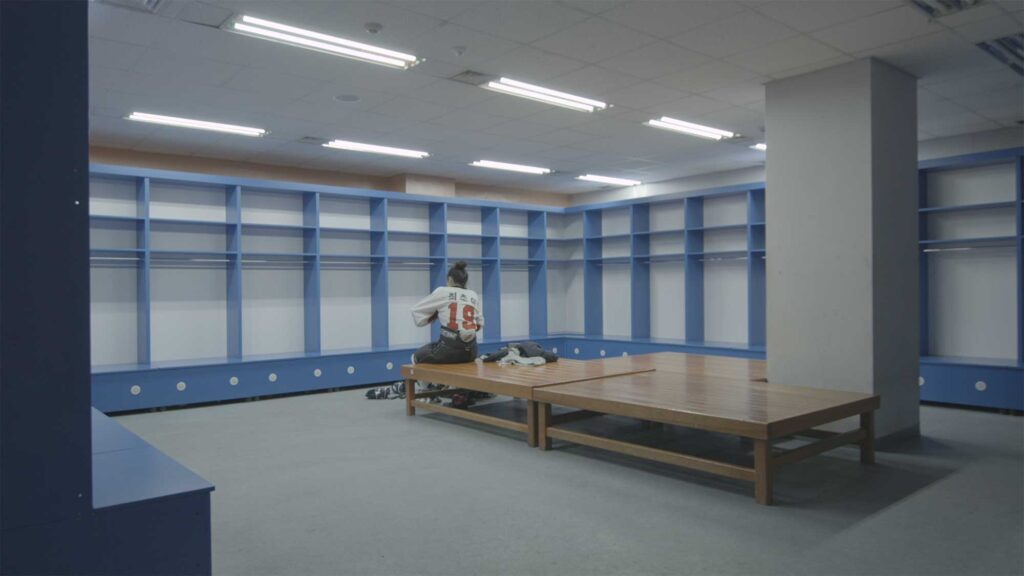
A Documentary Set in Seoul
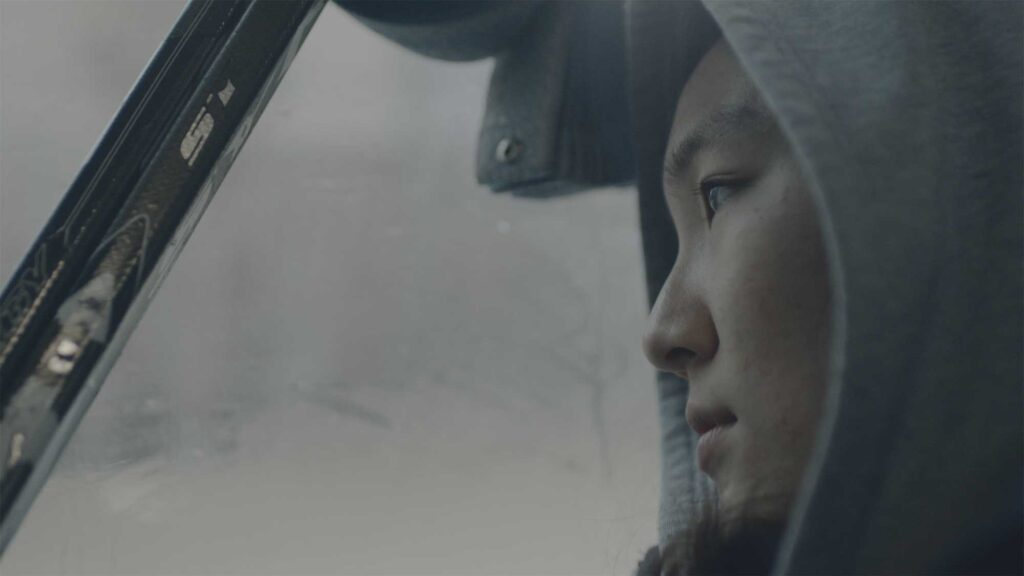
I worked on a short documentary about Choa Choi, filmed in Seoul. I collaborated with cinematographer Adam Hobbs on the project. Rather than separating roles strictly, we shared them. One of us directed while the other filmed, and then we switched. This approach shaped how the story developed on screen.
The film was produced in collaboration with Underwood International College of Yonsei University. From the start, the goal was to stay close to Choa’s everyday experience and let her story unfold naturally.
Breaking Barriers on the Ice
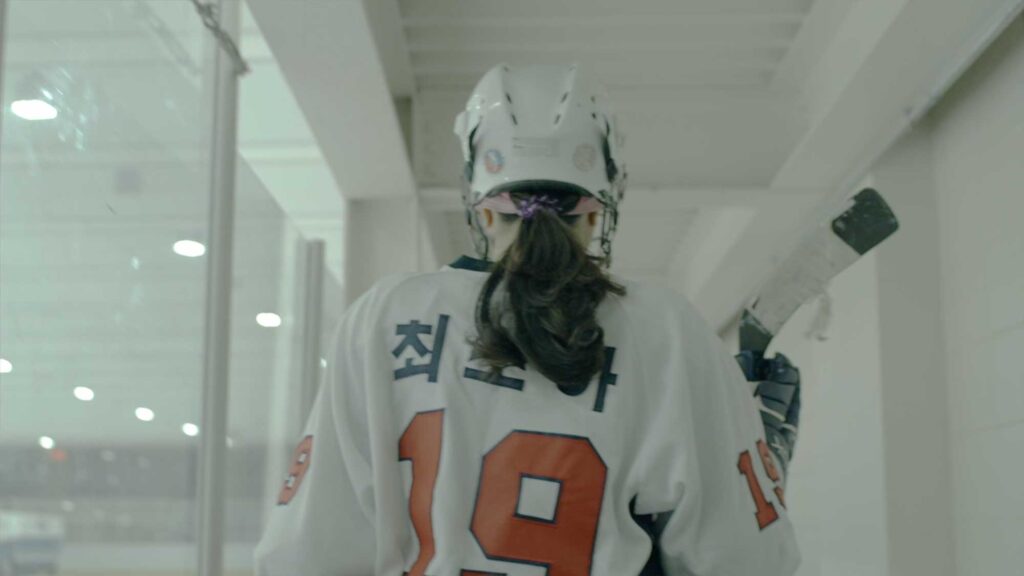
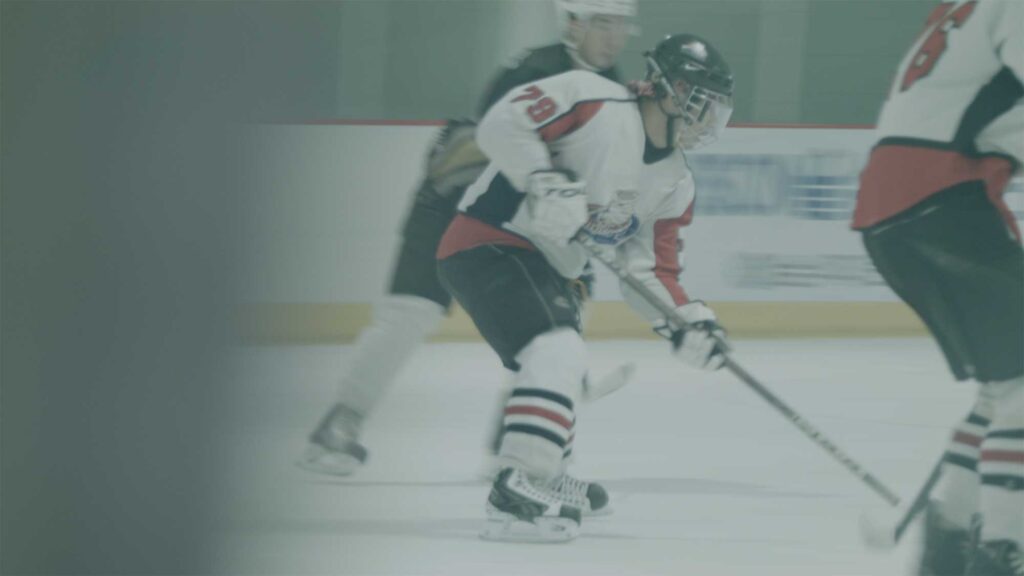
Choa Choi grew up playing ice hockey in environments where she often stood out. On the ice, she faced doubt because she was a woman. Instead of reacting to it directly, she focused on her game. Over time, that confidence changed how others responded to her.
Her style of play became more direct and physical. As a result, expectations shifted. What began as hesitation from others slowly turned into respect earned through presence and consistency.
A Shared Filmmaking Process
Adam Hobbs and I both work as cinematographers. Because of that, we chose a simple and flexible way of working. While one of us guided the scene, the other stayed behind the camera. Then we exchanged roles.
This back-and-forth helped keep the process open. It allowed us to react to moments as they happened rather than forcing structure too early. In turn, the film reflects that openness.
Beyond the Rink
Choa’s story does not end at the ice rink. When she moved to the United States for high school, she joined a team that had never included a player from Asia before. Hockey became a way for her to prove something, both to others and to herself.
The documentary follows this wider context. It looks at sport as a space where questions of identity, gender, and belonging come into focus without needing explanation.
Music and Atmosphere
The film features the track “With Many Tears” by Candlegravity The music supports the pace of the film and leaves room for quiet moments. It stays present without pushing the narrative.
Telling the Story
This project became a chance to work with care and attention. By keeping the process small and flexible, we focused on observation rather than message. Choa Choi’s story carries its own weight. Our role was simply to follow and frame it.