Bikini Words at the Budapest Architecture Film Days
BIKINI WORDS screened at the 9th Budapest Architecture Film Days, hosted by the Hungarian Contemporary Architecture Centre. The festival focuses on how cities change over time and how architecture reflects social shifts. It felt like a fitting context for this film, which looks at space, language, and memory.
As the first large architecture film festival in Central Europe, the event brings together films that approach cities in a personal and often subjective way. Stories of disappearing neighborhoods, renamed streets, and changing identities sit at the center of its program.
A Film About Language and Space
Bikini Words looks at the vocabulary that emerged among factory workers in South Korea during the 1970s and 1980s. Rapid industrialization changed how people lived and worked. With that came new words to describe unfamiliar realities.
The film focuses on eight selected terms. Each one points to a specific aspect of factory life and urban living. Rather than explaining everything, the film leaves space for viewers to connect language with place.
How the Project Began
The project started as a collaboration with the Geumcheon District Office in Seoul. Hongsung Kim and Jinbok Wee invited me to develop a film as part of a long-term exhibition about the area’s industrial history.
The exhibition was based on an index of 99 words collected from factory workers of that time. Together with producer Kuiock Park, I selected eight words that could carry the film. These choices shaped the structure and the title, Bikini Words.
Working With Trust and Time Limits
Time was limited, and meeting former factory workers was not easy. Many people felt tired of how their stories had been framed in the media over the years. Building trust became essential.
With the help of people who had lived through that period, we were able to move forward. Their openness gave the project its grounding and helped avoid repeating familiar narratives.
Letting Spaces Speak
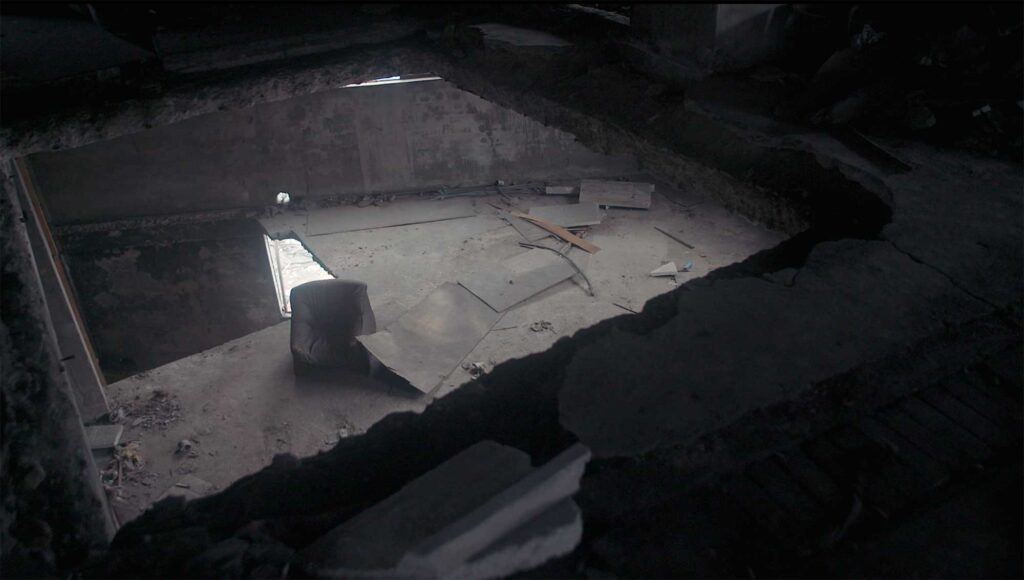
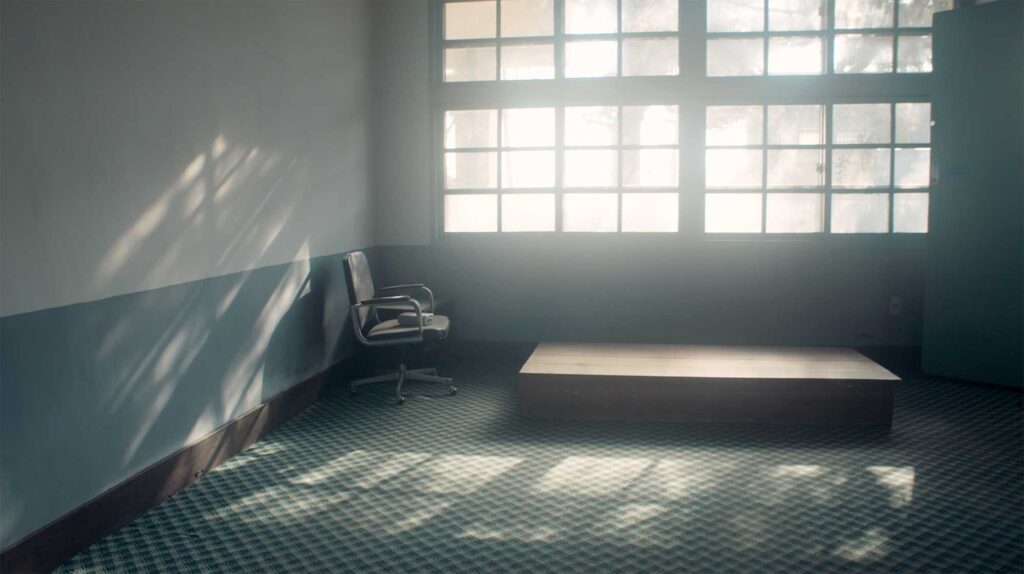
In Bikini Words, people are mostly absent from the frame. This was a conscious choice. I wanted the spaces themselves to carry memory.
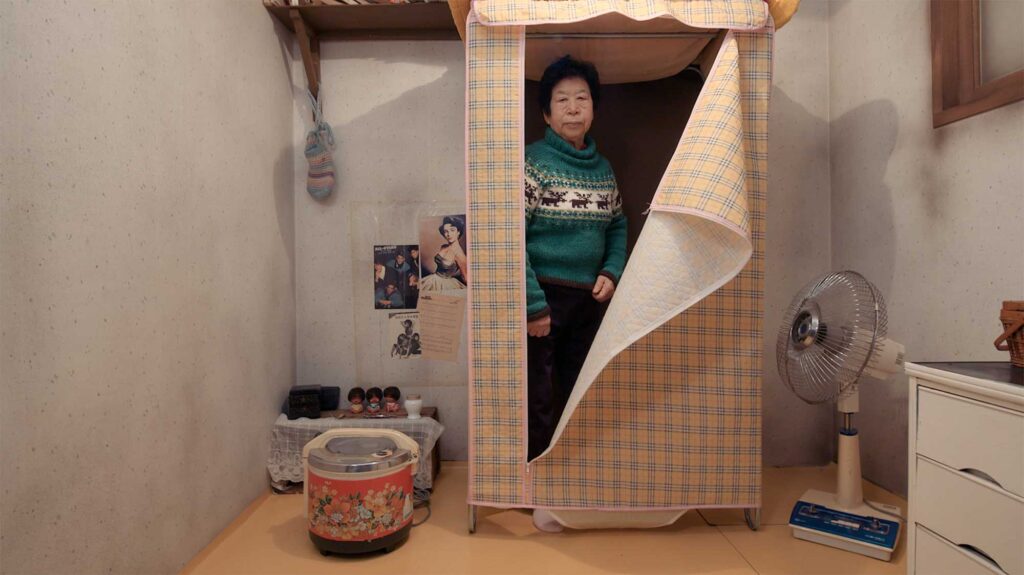
Empty interiors and changing streets allow viewers to imagine what once took place there. The term “Bikini Closet” reflects this idea of being stripped down to the essentials, both visually and linguistically.
Looking Back From Seoul
Living and working in Seoul continues to shape how I see these stories. The city changes fast, but traces of earlier lives remain in language and space.
Showing Bikini Words in Budapest felt meaningful. The festival’s focus on urban transformation closely aligns with what the film tries to do. It looks at how cities remember, even when people move on.
Bikini Words screened on Sunday, March 5, 2017, at Toldi Mozi in Budapest. The film continues to travel as part of an ongoing conversation about language, labor, and the spaces we leave behind.