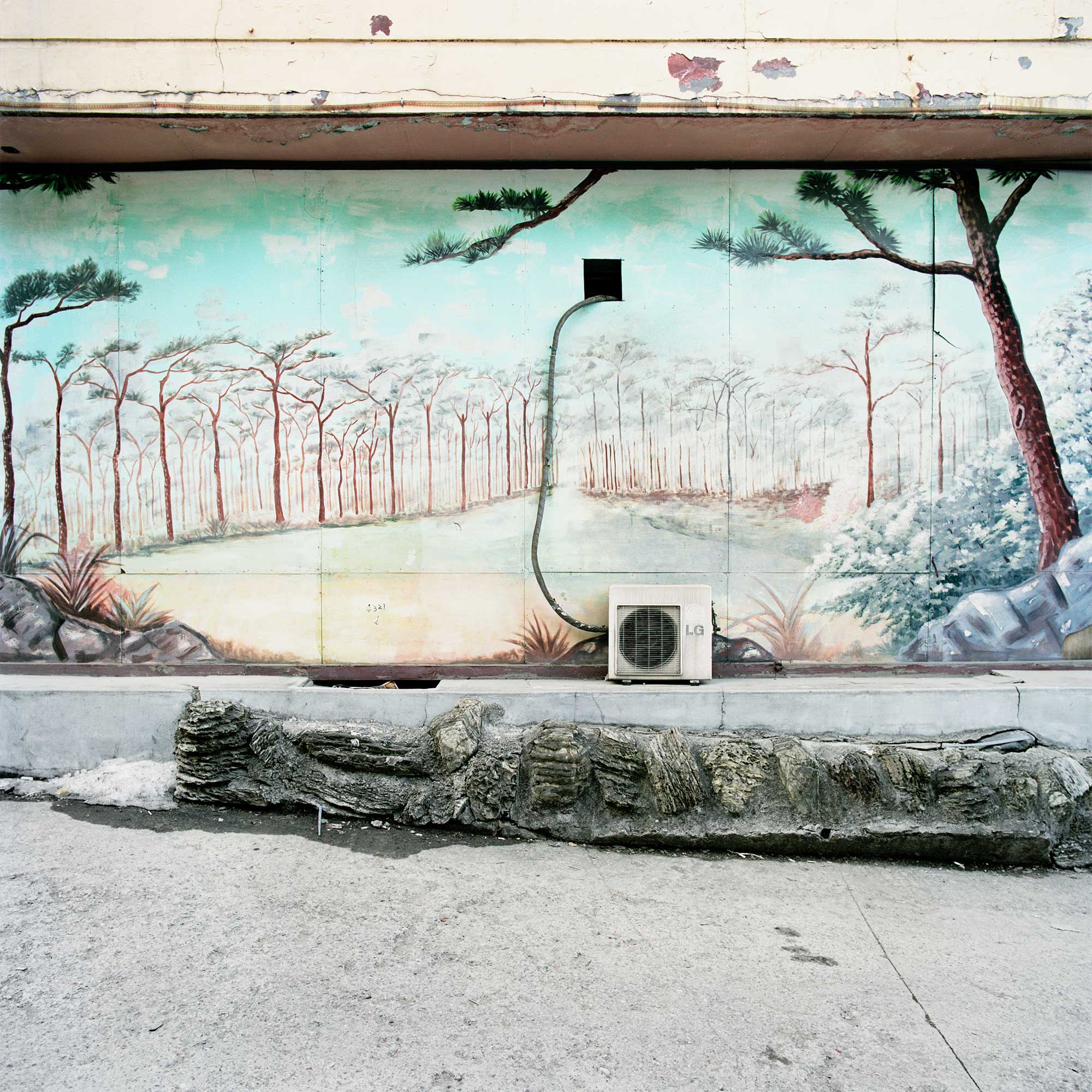
Spiegelnde Kulissen — Photography Exhibition at the ARD Hauptstadtstudio, Berlin
From April 5 to May 31, 2013, my work was shown as part of the exhibition Spiegelnde Kulissen at the ARD Hauptstadtstudio in Berlin. The exhibition brought together photographic positions by Wolfram Hahn, Bettina Lockemann, Kai von Rabenau, and myself. Each of us approached contemporary political and social themes from a distinct visual angle.
Approaching Contemporary Structures
The exhibition opened on April 4, 2013. Rather than illustrating political events directly, the works focused on spaces, surfaces, and systems where political processes become visible. The photographs addressed themes such as energy policy, digital networks, European governance, and the global financial system, often indirectly and through architectural or spatial observation.
Working with Surfaces and Systems
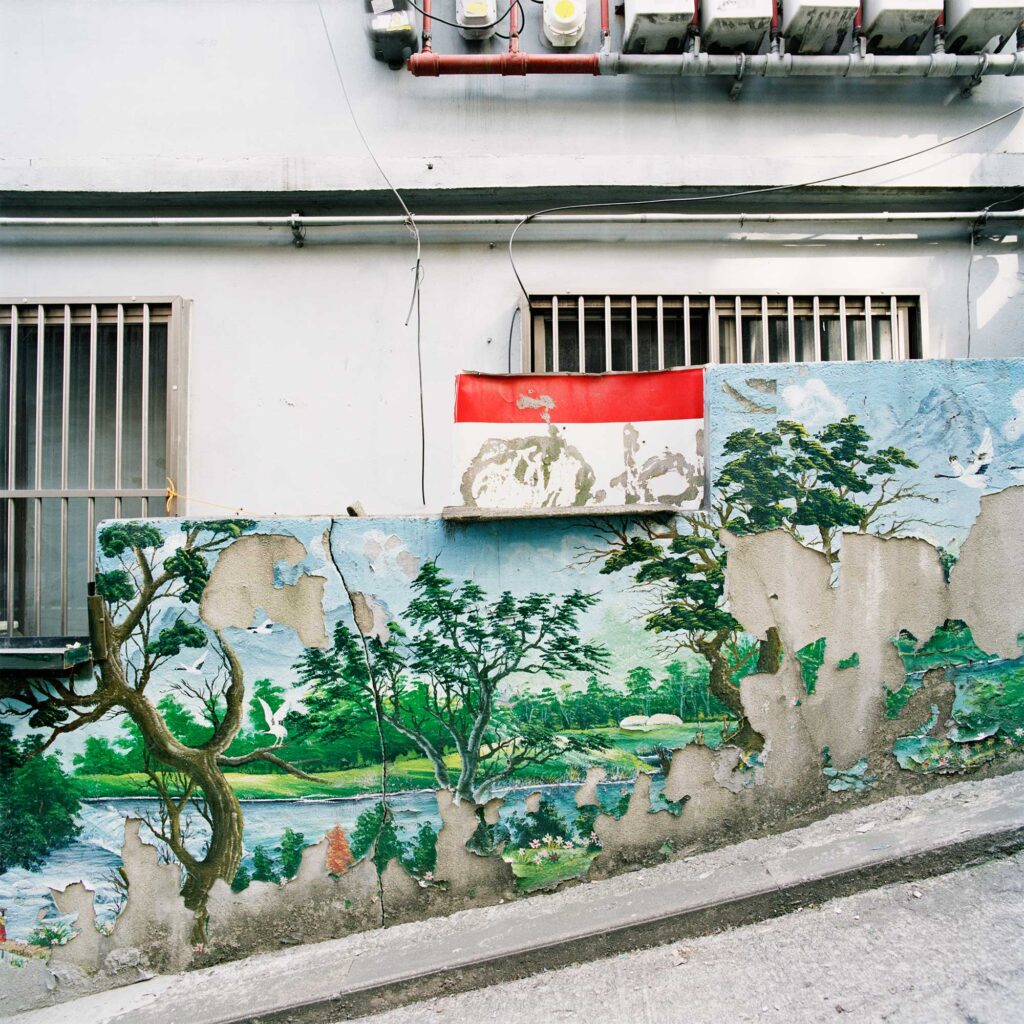
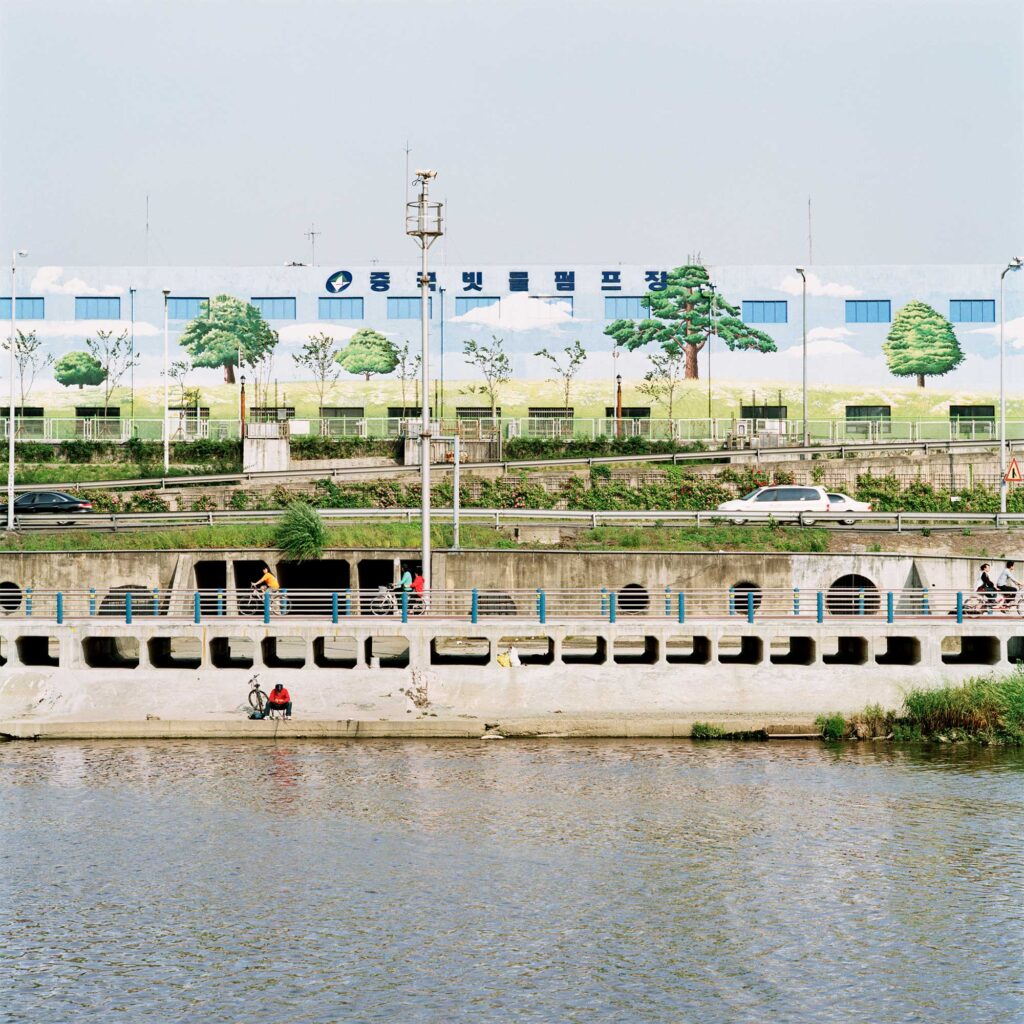
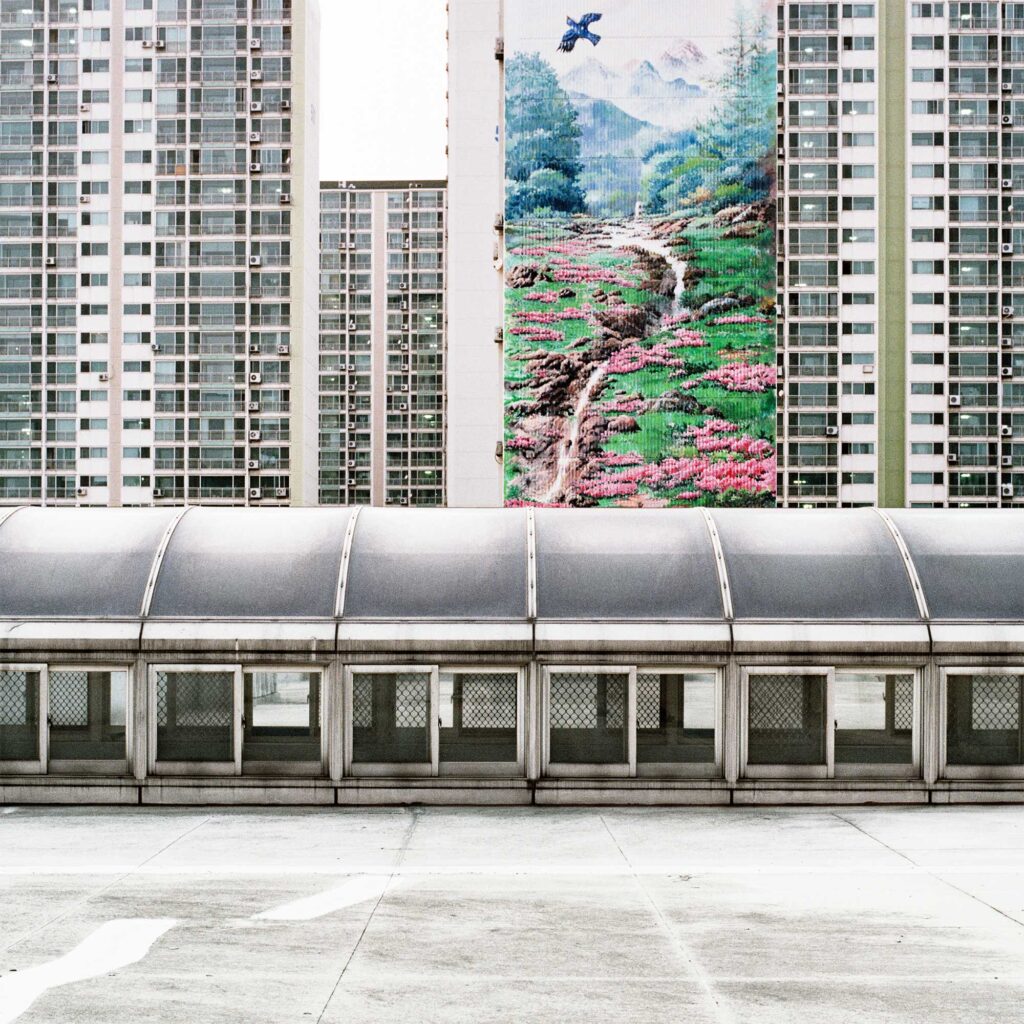
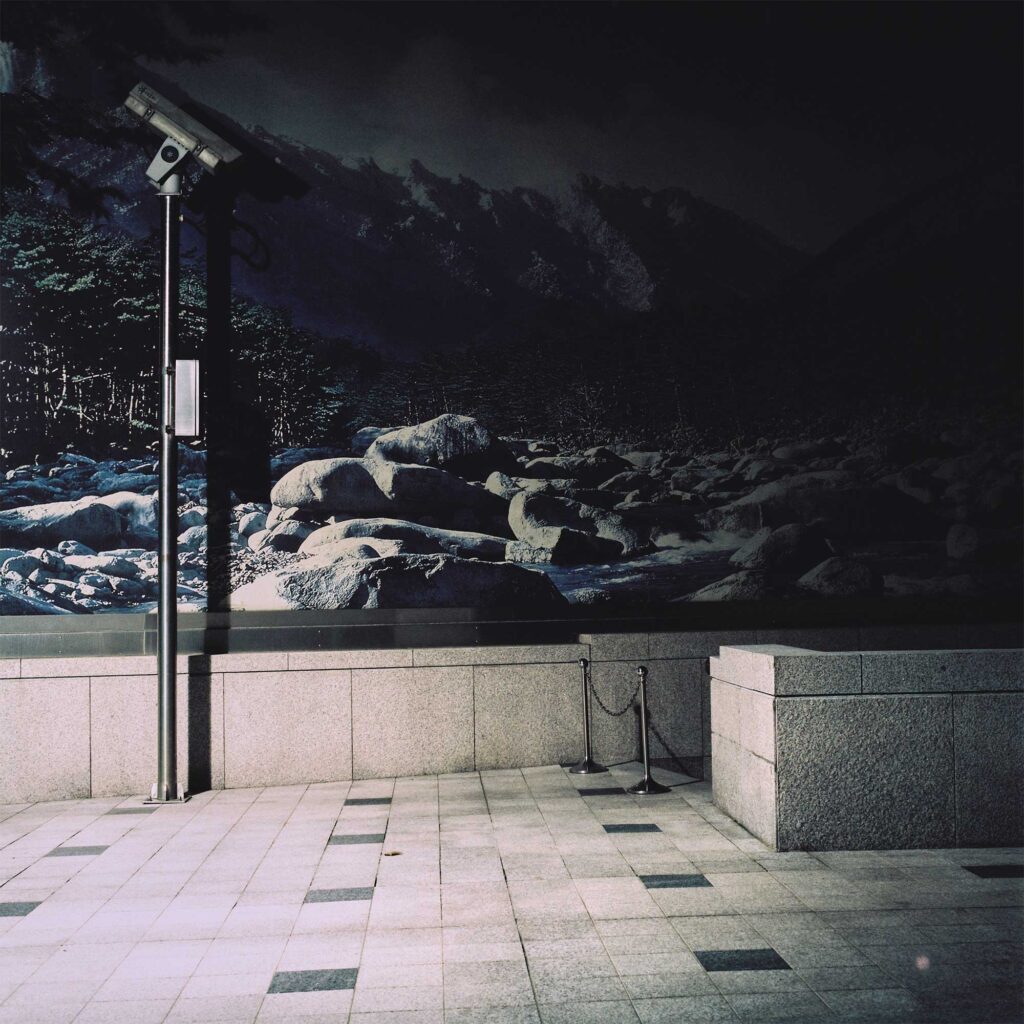
My contribution explored how political and administrative structures appear in everyday environments. I focused on architectural details, reflective surfaces, and spatial arrangements that suggest systems of control and organization without naming them explicitly. Other works in the exhibition used different strategies, ranging from abstraction to documentary restraint. Together, the images moved between polished facades and more subdued, functional spaces.
Photography as Observation
For me, Spiegelnde Kulissen treated photography as a tool for observation rather than explanation. The images do not provide answers. Instead, they invite viewers to look more closely at how political and social frameworks shape perception and behavior. By concentrating on visual details and built environments, the work points to structures that often remain unnoticed.
A Shared Exhibition Context
Although each artist followed an individual approach, the exhibition relied on juxtaposition rather than a unified narrative. Showing the works side by side allowed differences and parallels to emerge naturally. This structure created space for comparison and reflection without forcing agreement or conclusion.
A Space for Reflection
Presented within the context of the ARD Hauptstadtstudio, the exhibition encouraged dialogue rather than interpretation. Visitors were invited to spend time with the images and consider photography’s role in observing complex social systems. The setting reinforced the idea of looking carefully at how power and organization manifest visually.
Continuing the Conversation
For those who did not experience Spiegelnde Kulissen in Berlin, the exhibition remains a reference point for photographic work that engages with political and societal themes through indirect observation. For me, it marked another step in an ongoing exploration of how photography can register the visual language of contemporary structures without relying on spectacle or commentary.