Russian Pavilion — Expo 2012 Yeosu
At Expo 2012 Yeosu, I photographed the Russian Pavilion. Among the many national pavilions, it stood out through its strong visual presence and its focus on culture, performance, and national identity. I was invited to document both the architecture and the events surrounding Russia’s National Day.
Inside the pavilion
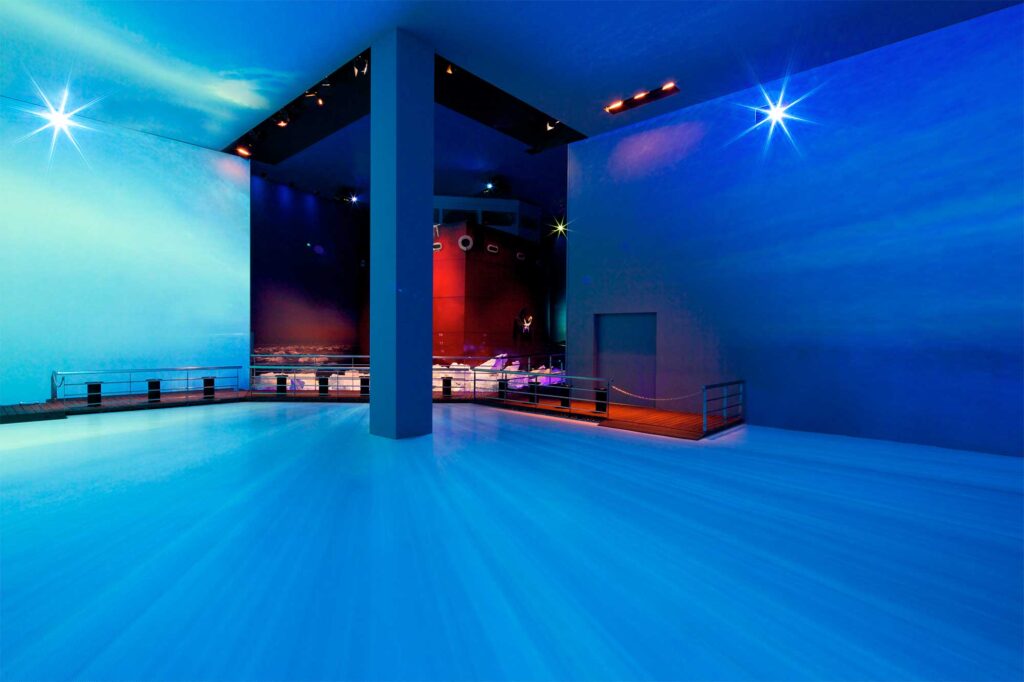
The pavilion presented Russia as a country shaped by scale, history, and artistic tradition. Its design combined architectural form with exhibition elements that guided visitors through different aspects of cultural and scientific heritage.
While moving through the space, I focused on how visitors interacted with the architecture and displays. Rather than isolating details, I observed how the pavilion functioned as a sequence of spaces.
National Day celebrations
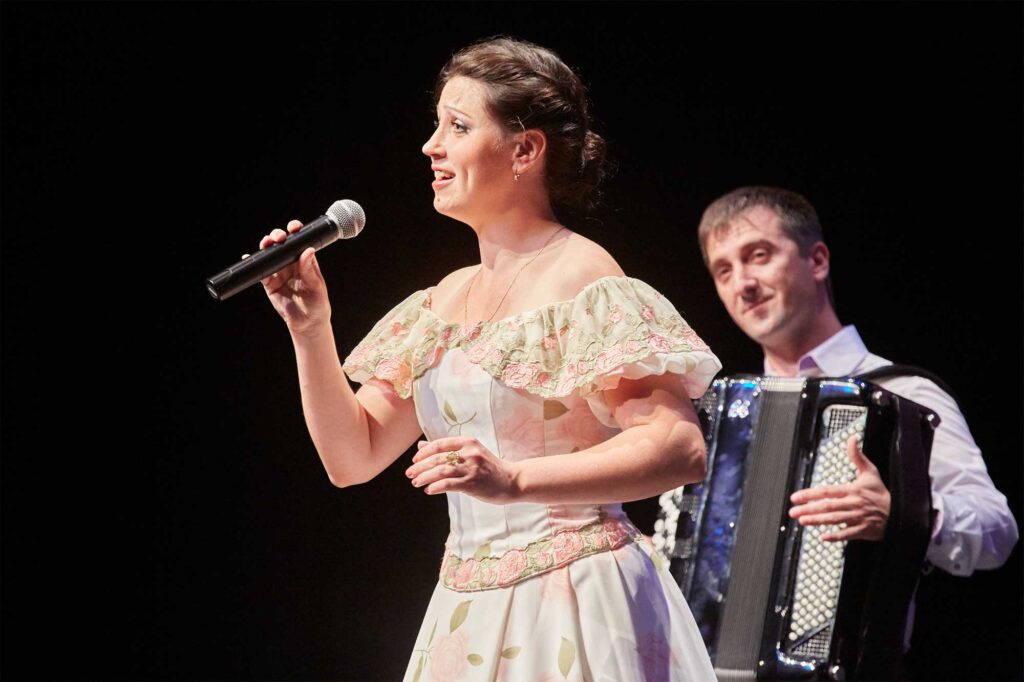
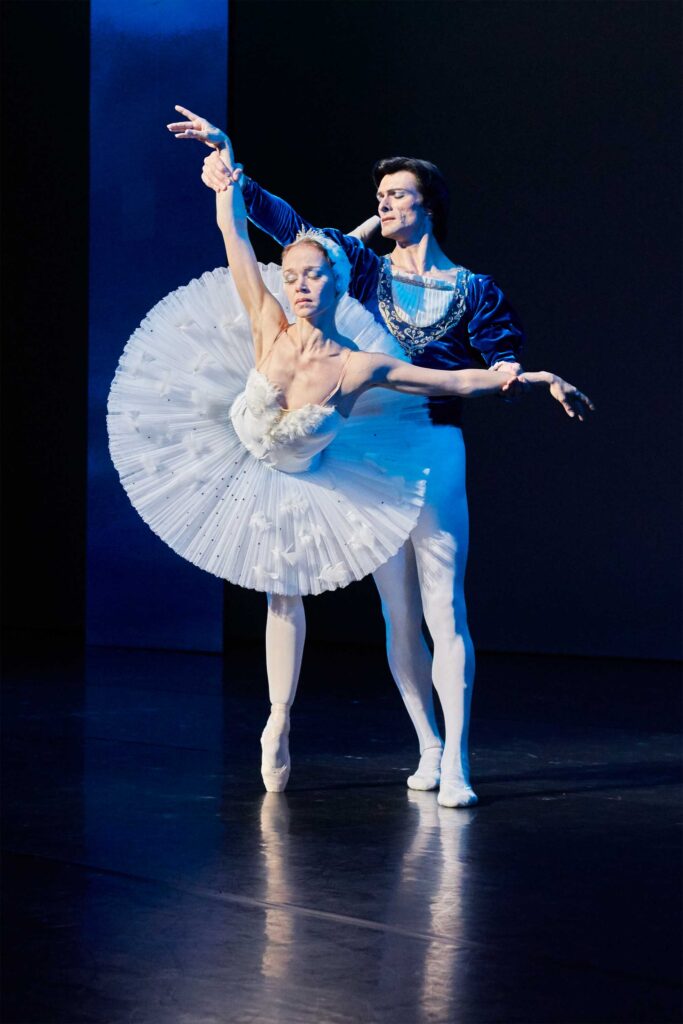
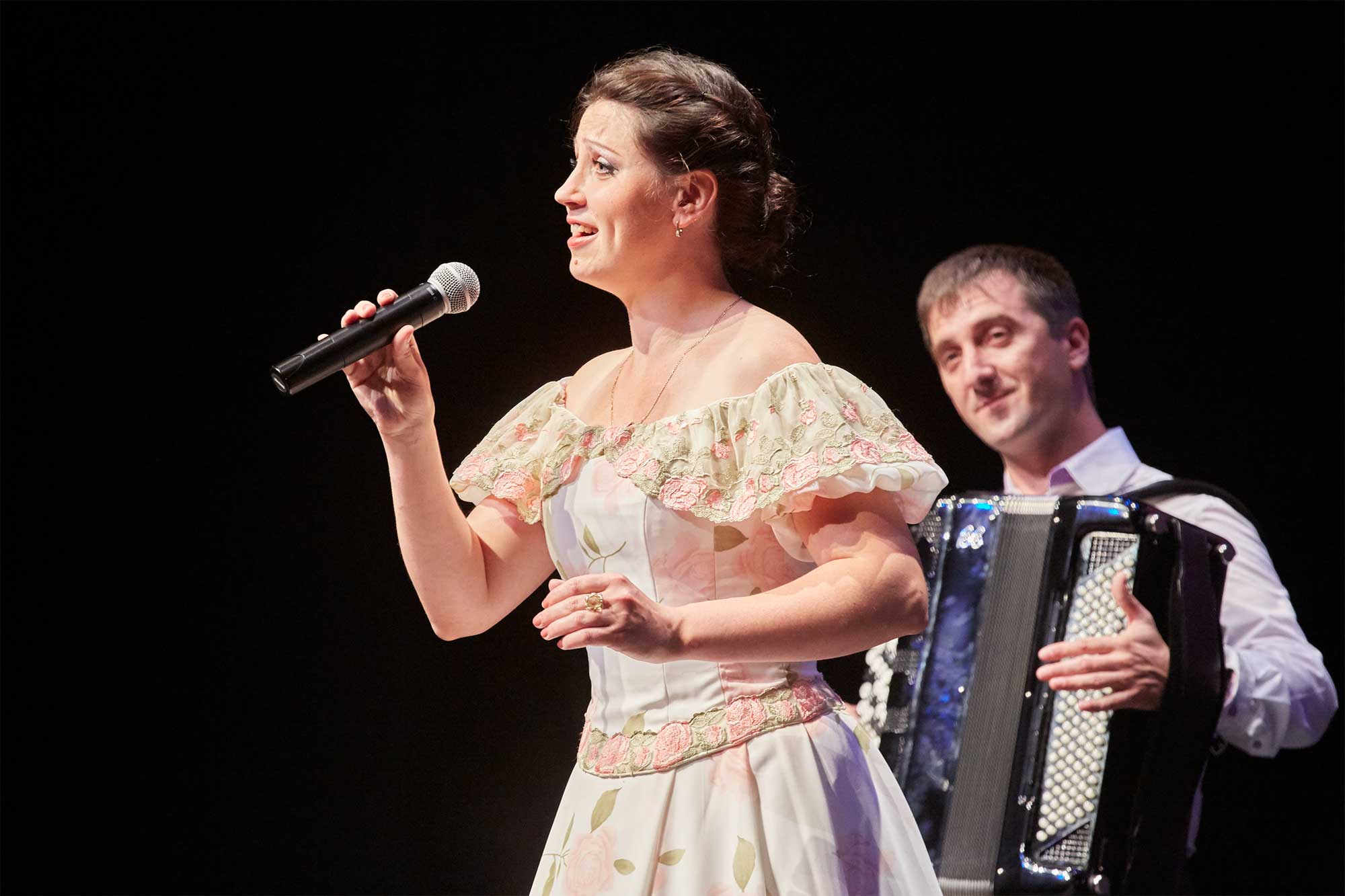
Russia’s National Day formed a central moment of the pavilion’s program. The celebration was led by the Ambassador of the Russian Federation, Konstantin Vnukov, and included a series of live performances.
I photographed dance and theatrical presentations that drew from traditional forms. Performers wore historical costumes and used movement to reference regional and cultural traditions. Groups such as the State Academic Choreographic Ensemble Berezka played a key role in shaping the atmosphere of the event.
Nature and representation
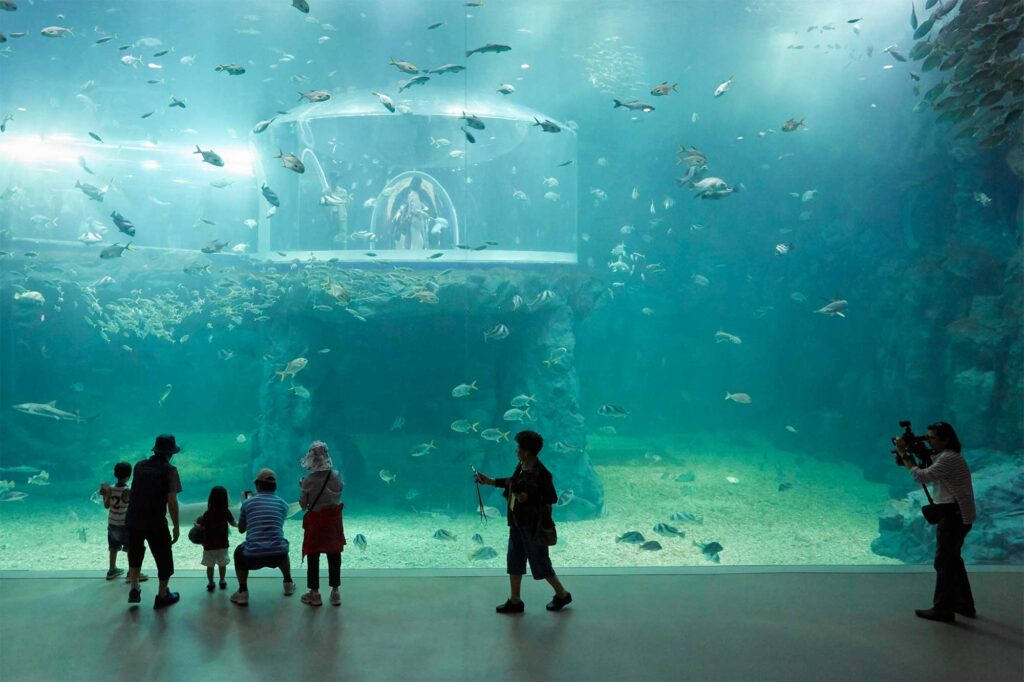
Alongside cultural performances, the pavilion also addressed themes of landscape and environment. Exhibits referenced Russia’s vast geography and natural resources, including Arctic regions and wildlife. Visual material featuring beluga whales highlighted biodiversity and exploration rather than spectacle.
These elements positioned nature as part of national identity, not as a separate subject.
Photographing the pavilion
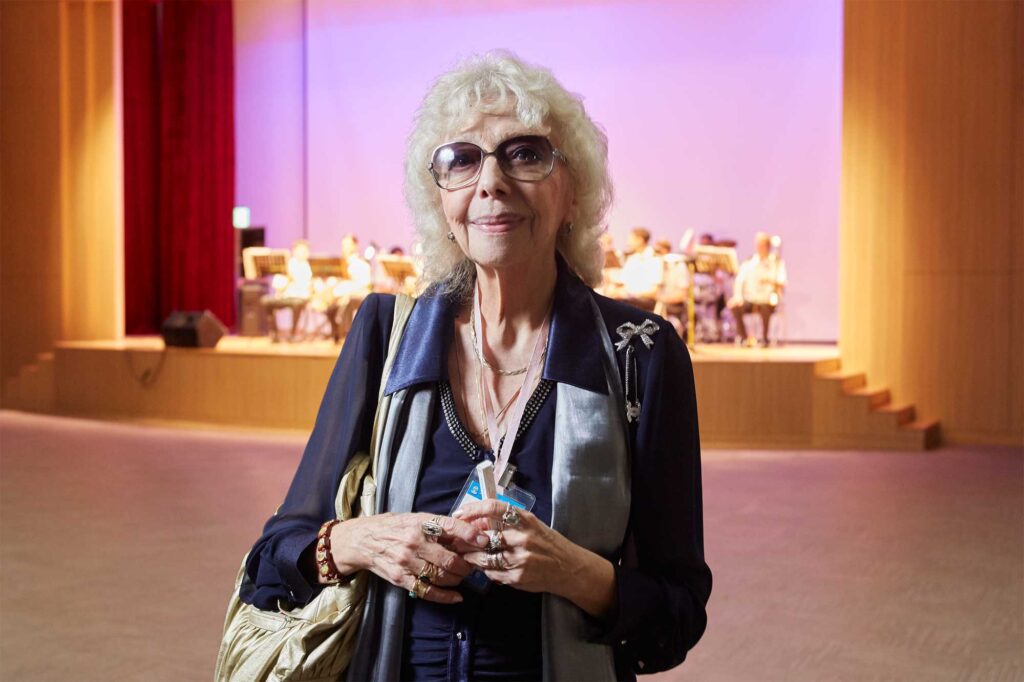
While documenting the Russian Pavilion, I approached the project as a visual record rather than a statement. I focused on transitions between performance, architecture, and audience. The photographs reflect how culture, space, and narrative came together during the Expo.
The series captures a moment in time. It shows how a national pavilion can communicate identity through experience rather than explanation.