Orchestral Manoeuvres in the North — television interview and film
I was invited to speak on Korea Today on ARIRANG TV. The interview aired on Friday, December 7, between 7 and 8 am. During the conversation, I spoke about traveling to North Korea and about the practical and ethical challenges of filming a musical project in a highly controlled environment.
The discussion focused on observation, access, and limitation rather than spectacle.
Recognition and response
After the broadcast, my documentary Orchestral Manoeuvres in the North received a Vimeo Staff Pick. In addition, the film was nominated for the German Web Video Award in the For Your Information category.
These acknowledgements reflected the film’s reception rather than its intent. The project was never designed for visibility. Instead, it grew out of close observation and limited access.
Inside the film
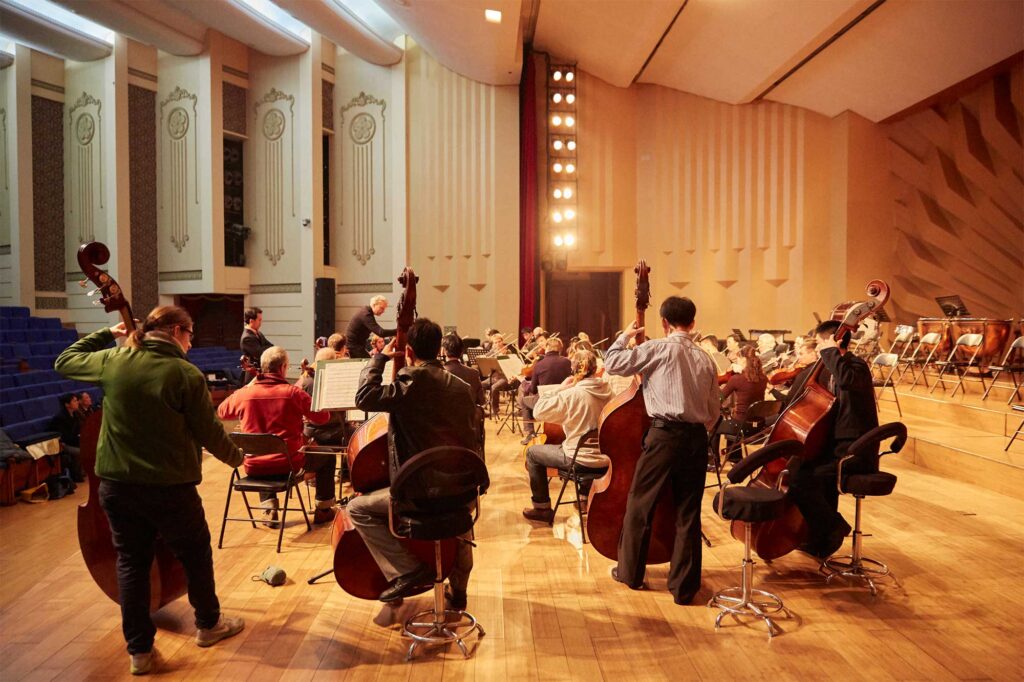
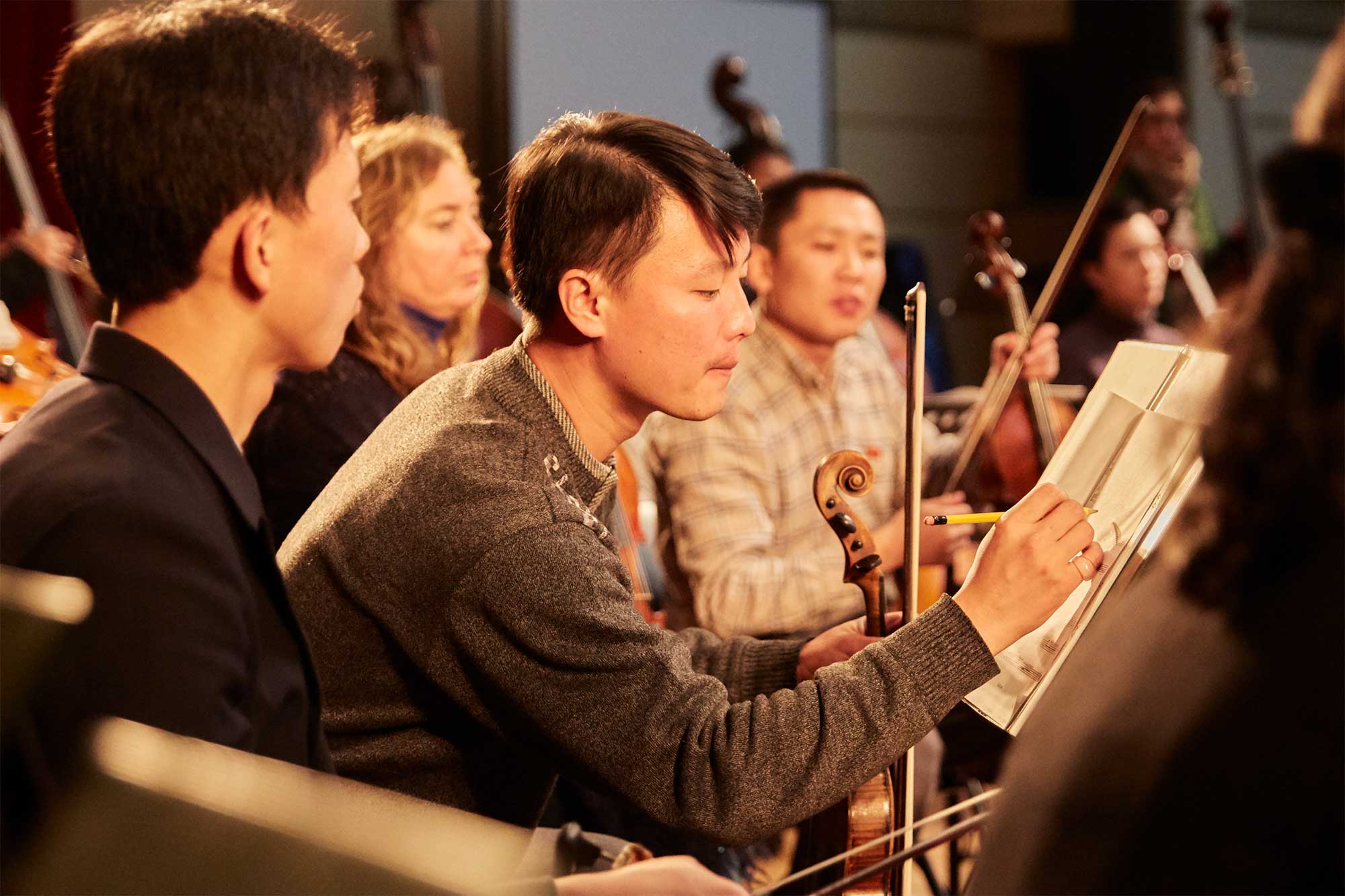
Orchestral Manoeuvres in the North documents a three-day exchange between the Munich Chamber Orchestra and students at the Kim Won Gyun Conservatory in Pyongyang.
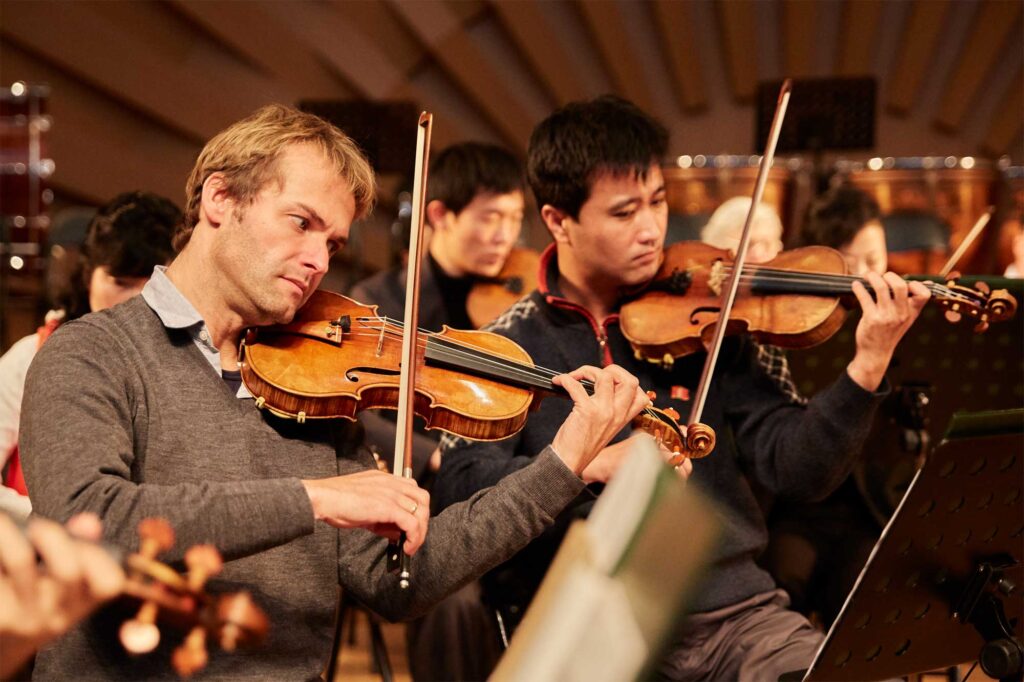
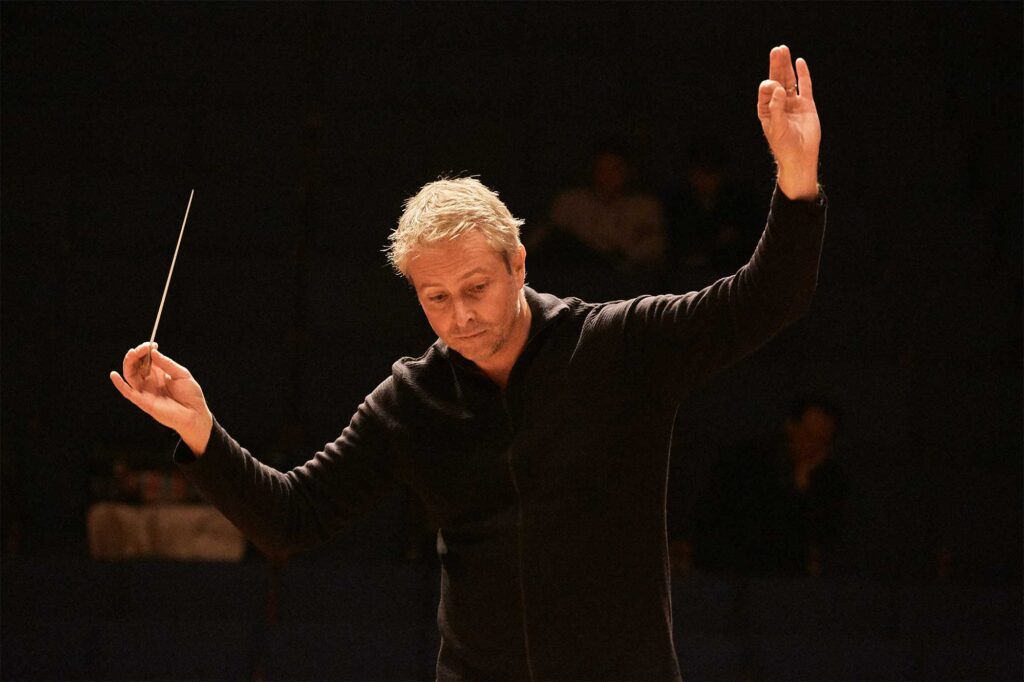
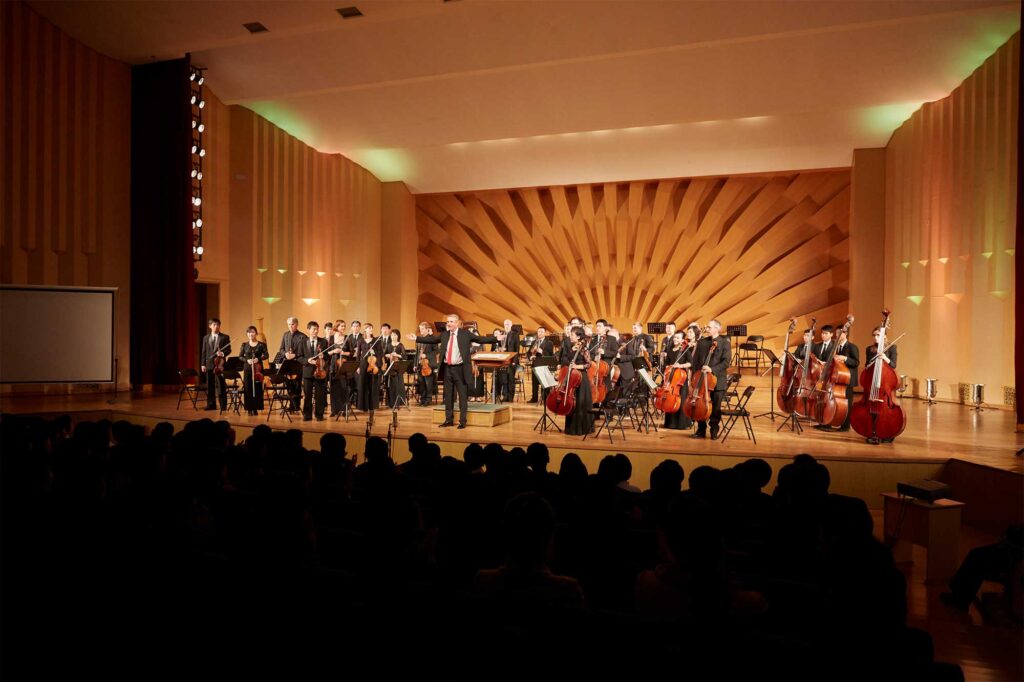
The film follows rehearsals, chamber music classes, and informal moments between musicians. It ends with a joint concert that brought German and North Korean performers onto the same stage. Throughout the film, I avoided commentary and allowed the process itself to shape the structure.
Filming under constraint
Working in North Korea meant accepting strict limits. Movement, time, and access remained tightly controlled. Because of this, I focused on details rather than coverage. I worked with available light, minimal equipment, and short windows of opportunity.
As a result, the film stays close to faces, gestures, and sound rather than context or explanation.
The role of the Goethe-Institut
The exchange was organized by the Goethe-Institut Korea. Their initiative made the collaboration possible despite political distance and cultural separation.
The project did not aim to resolve differences. Instead, it created a shared working space through music. The film reflects that modest goal.
Music as exchange
Classical music provided a common language. While styles and systems differed, rehearsal created moments of mutual attention and respect. These moments remained quiet and unspoken, yet they carried weight.
I approached the project as a record of that process rather than a statement about diplomacy
Looking back
Orchestral Manoeuvres in the North documents a brief encounter shaped by constraint, curiosity, and care. It does not explain North Korea, nor does it attempt to interpret it. Instead, the film observes what happens when people work together under difficult conditions.
The interview on Arirang TV offered a chance to reflect on that experience. The film itself remains a small, contained record of music as practice rather than message.