Observing Seoul’s Music Scene — A Portrait of DJ Soulscape
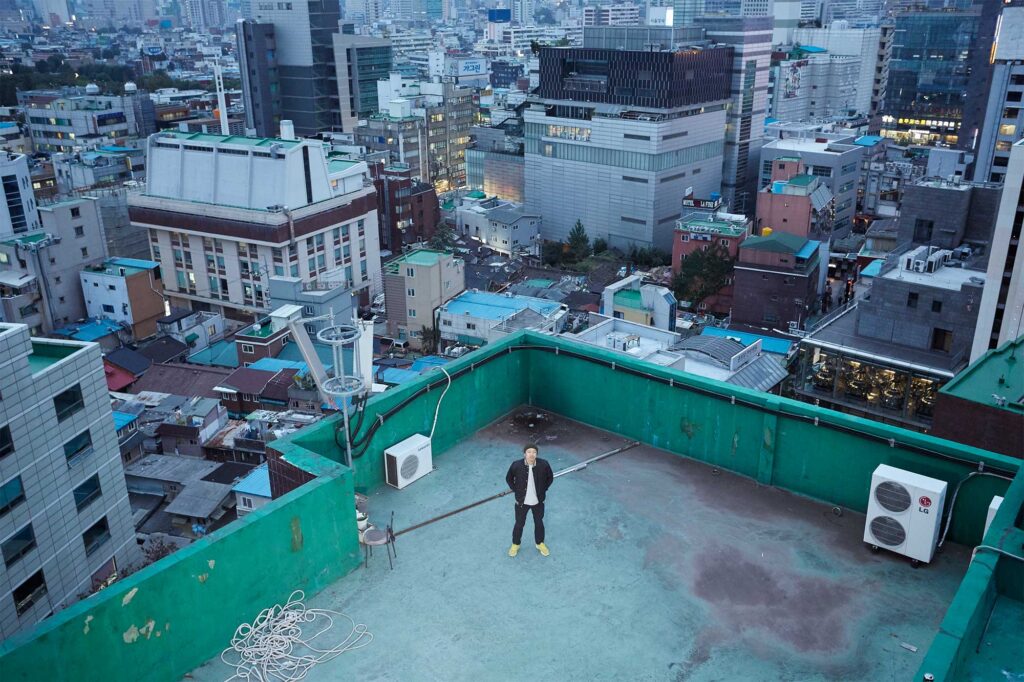
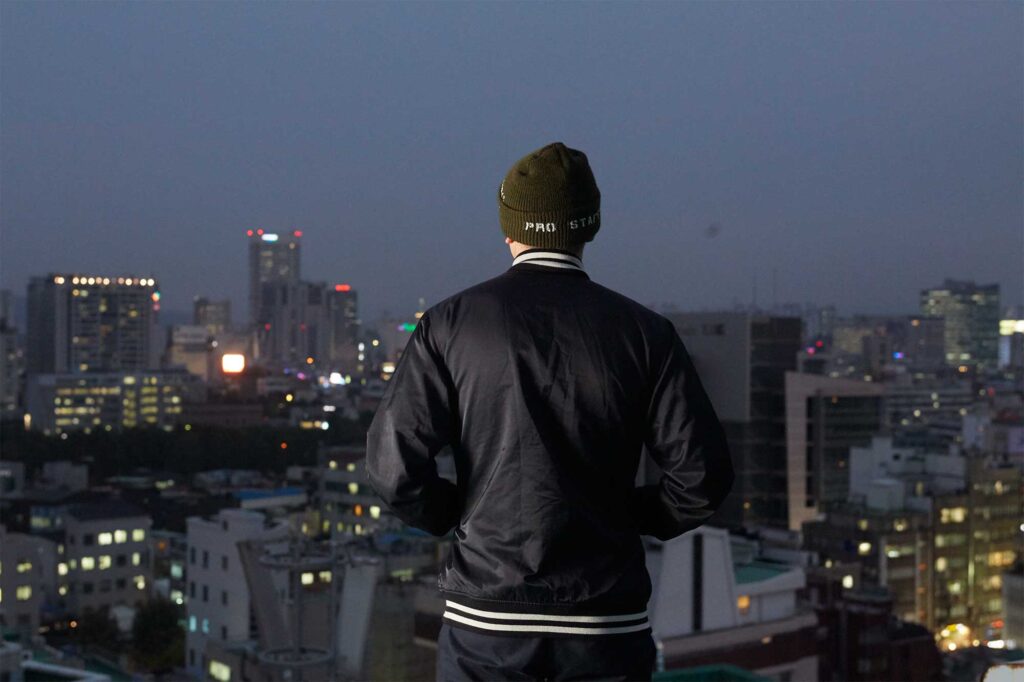
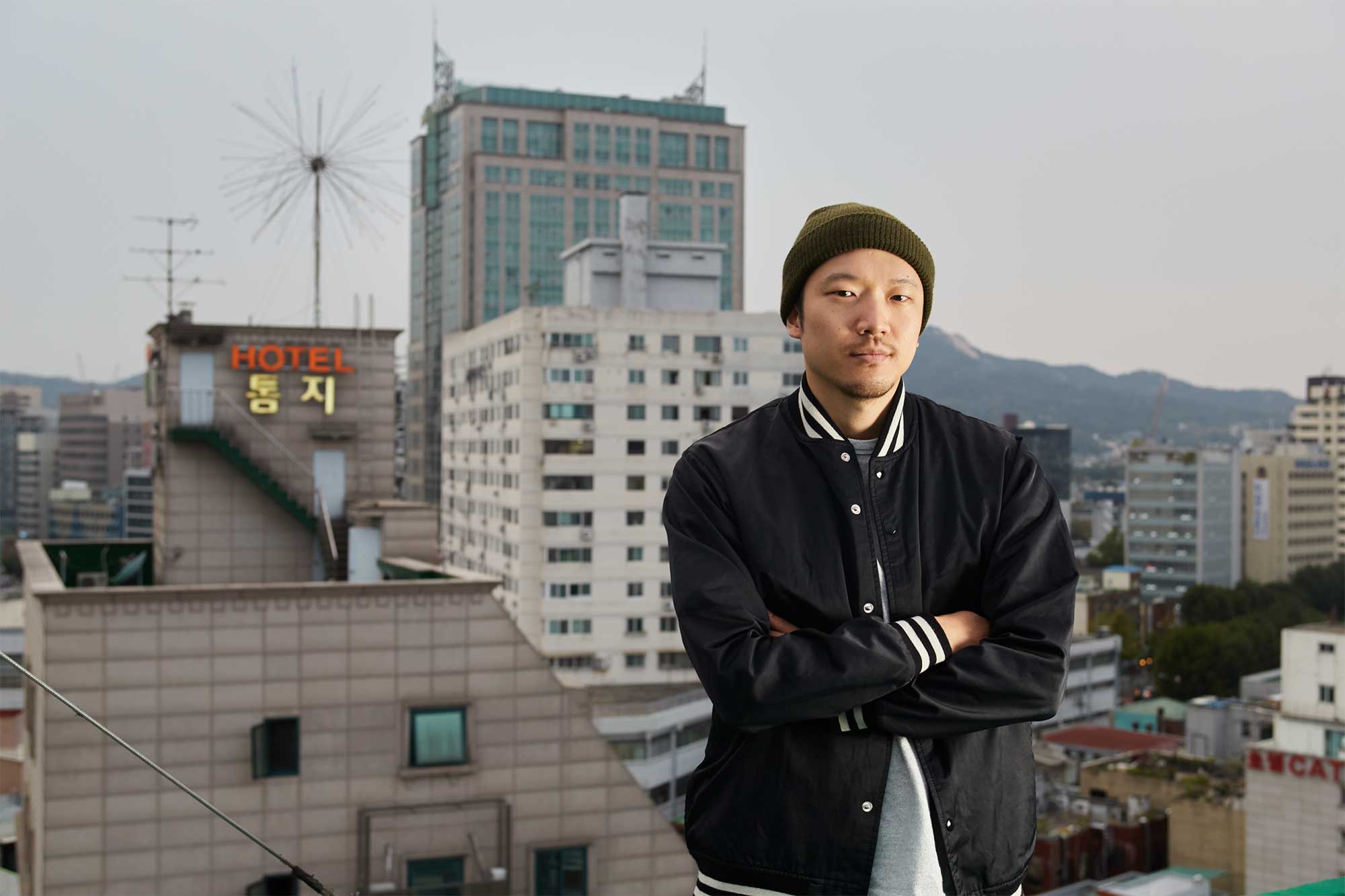
Seoul is a city shaped by speed, density, and constant change. Beneath that surface, music plays a quieter but persistent role. I explored a small part of this landscape through a photographic commission for Friends of Friends, an interview magazine that focuses on creative practices across disciplines. For this feature, I photographed DJ Soulscape in Seoul.
Working with Friends of Friends
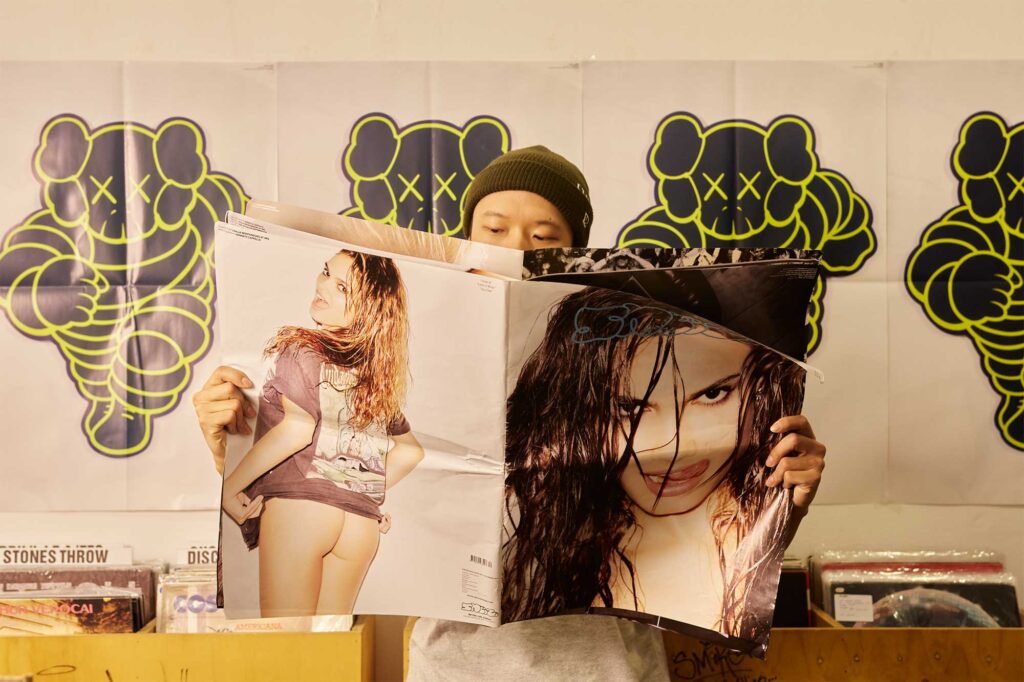
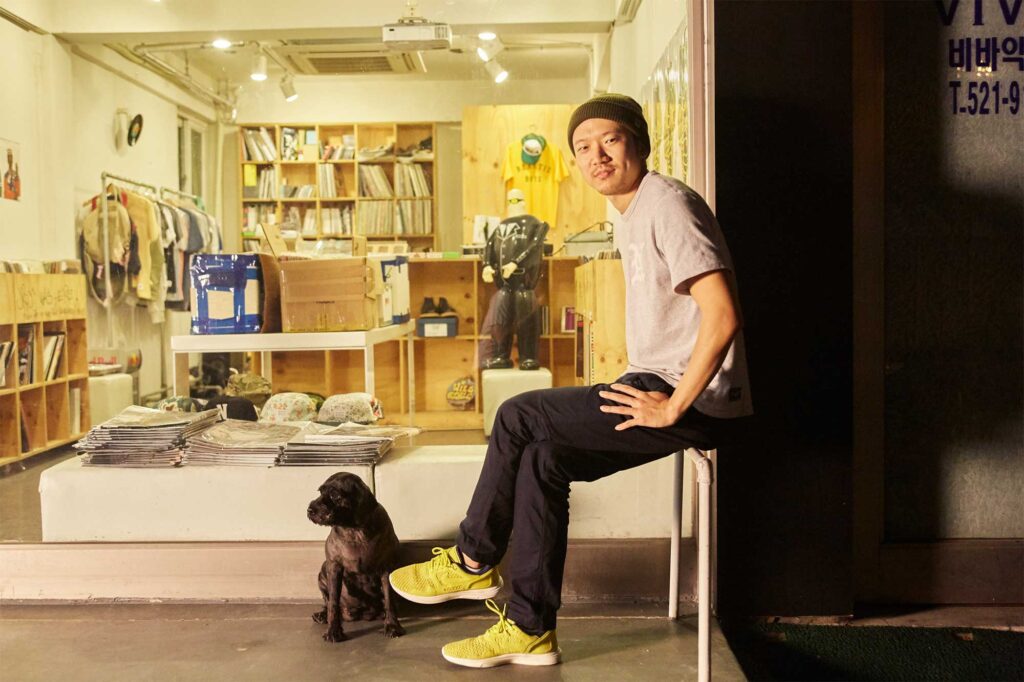
Friends of Friends approached me to photograph DJ Soulscape for an in-depth portrait and interview. The commission allowed time and space to work beyond a single image and to observe how music, place, and personal history intersect in his daily life. Rather than staging the shoot, I followed his routine and worked within familiar environments.
DJ Soulscape and 360 Sounds
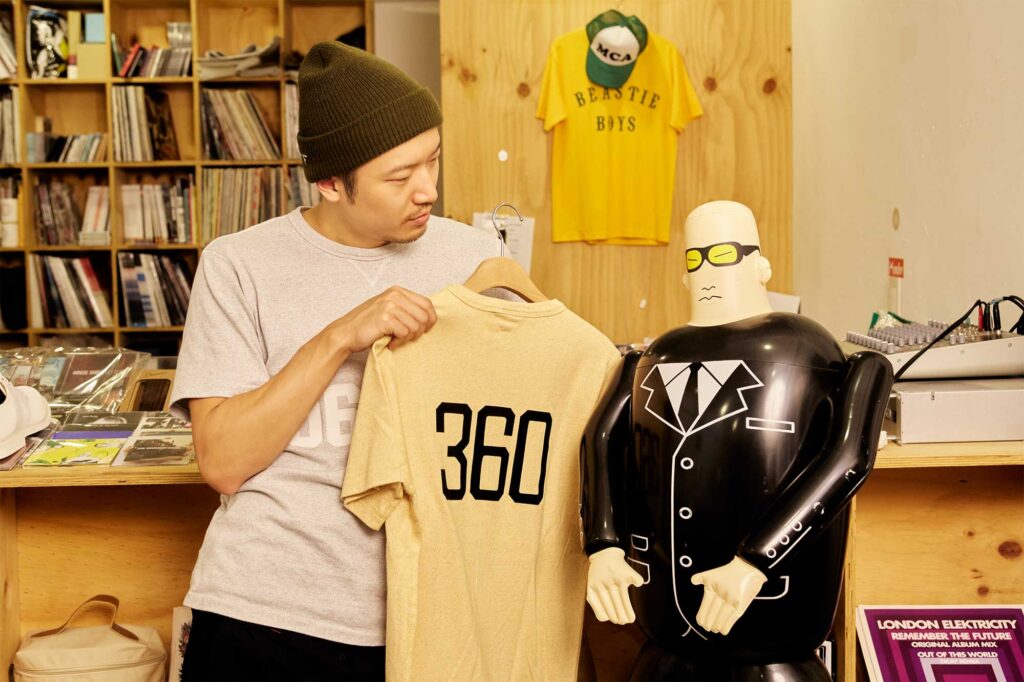
DJ Soulscape, born Min Jun Park, works as a DJ, producer, and archivist of Korean popular music. Through his project 360 Sounds, he revisits Korean recordings from the 1960s and 70s—music shaped by both local traditions and American influences. His work treats these records not as nostalgia, but as material that continues to inform contemporary sound.
Moving Through the City
Photographing Soulscape meant moving through different parts of Seoul. Neighborhoods such as Jongno and Itaewon form part of his working landscape. Each area carries its own rhythm, and these shifts in atmosphere influence how he listens, collects, and produces music. I approached these locations as backdrops rather than subjects, allowing them to remain present without dominating the frame.
Listening as Practice
In conversation, Soulscape spoke about growing up with soul records and about developing his alter ego, Espionne, a project that draws on bossa nova and jazz. He also runs RM360, a record store that functions as a meeting point rather than a commercial space. The store reflects his broader approach to music—as something shared, exchanged, and revisited over time.
Looking Forward
At the time of the shoot, 360 Sounds marked its seventh year, with new recordings in progress. What stood out to me was not momentum, but consistency. Soulscape’s work remains rooted in listening and collecting, in paying attention to what already exists. Photographing him offered a way to look at Seoul’s music scene through practice rather than spectacle, and through continuity rather than trend.