Last Letters Selected as Editor’s Pick by The Atlantic
LAST LETTERS was recently selected as an Editor’s Pick by The Atlantic. I’m grateful to Nadine Ajaka for taking the time to engage with the film and for bringing it to a wider audience. After CHOA and BIKINI WORDS, this recognition feels like a quiet but meaningful continuation of a longer body of work.
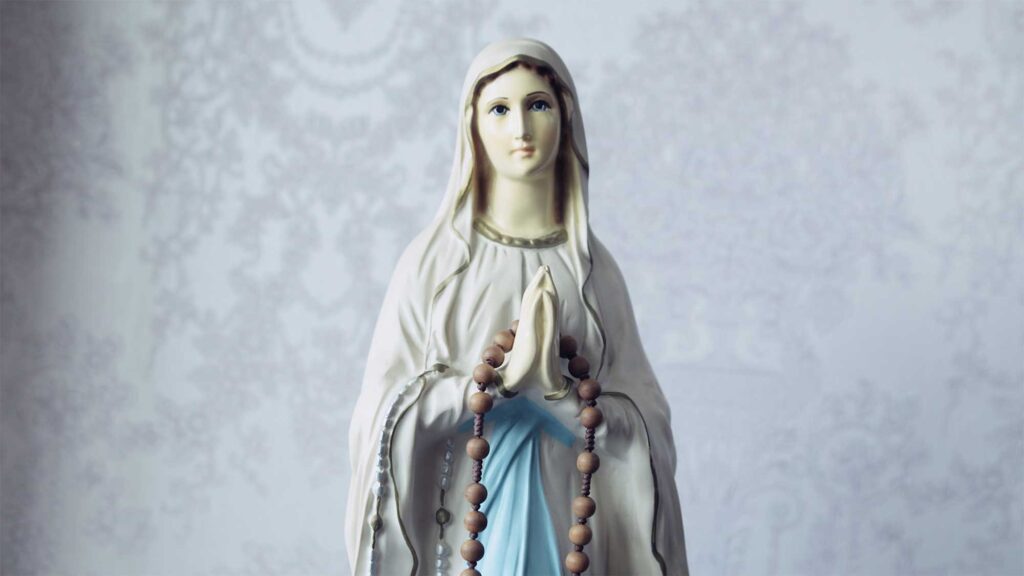
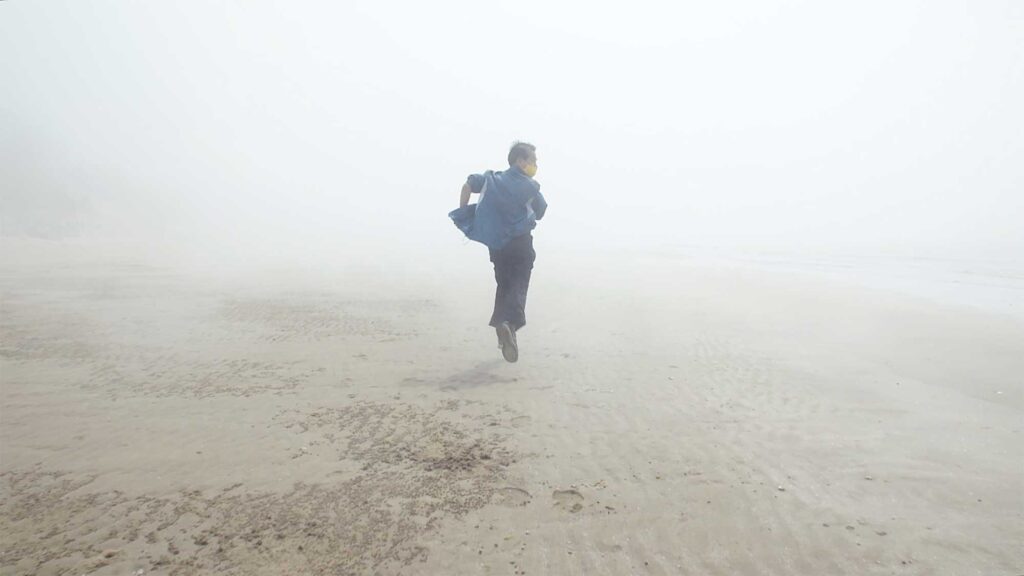
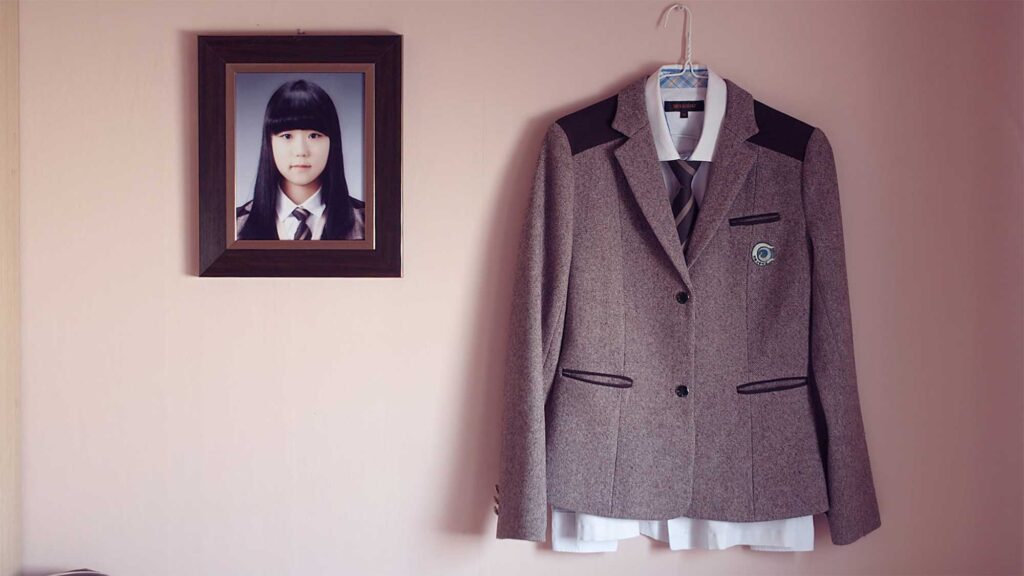
The film reflects on loss, space, and memory in the context of the Sewol ferry tragedy in 2014. It was never meant as a definitive statement, but rather as a careful observation of what remains.
What the Editor’s Pick Means to Me
Being featured by The Atlantic matters because of the care the platform brings to its selections. The Editor’s Pick label doesn’t feel like a prize. Instead, it feels like an invitation for the film to enter a broader conversation.
I see it as recognition of the approach rather than the outcome. The film moves slowly and avoids conclusions, and I appreciate that this way of working found space there.
Approaching the Sewol Tragedy
Last Letters looks at the aftermath of the Sewol ferry disaster, in which 304 people lost their lives. Instead of focusing on the event itself, the film stays with what followed. It observes the emotional and physical spaces left behind.
I chose not to frame the story through investigation or accusation. Instead, I focused on presence, absence, and the quiet weight of time. That decision shaped every part of the film.
Working With the Families
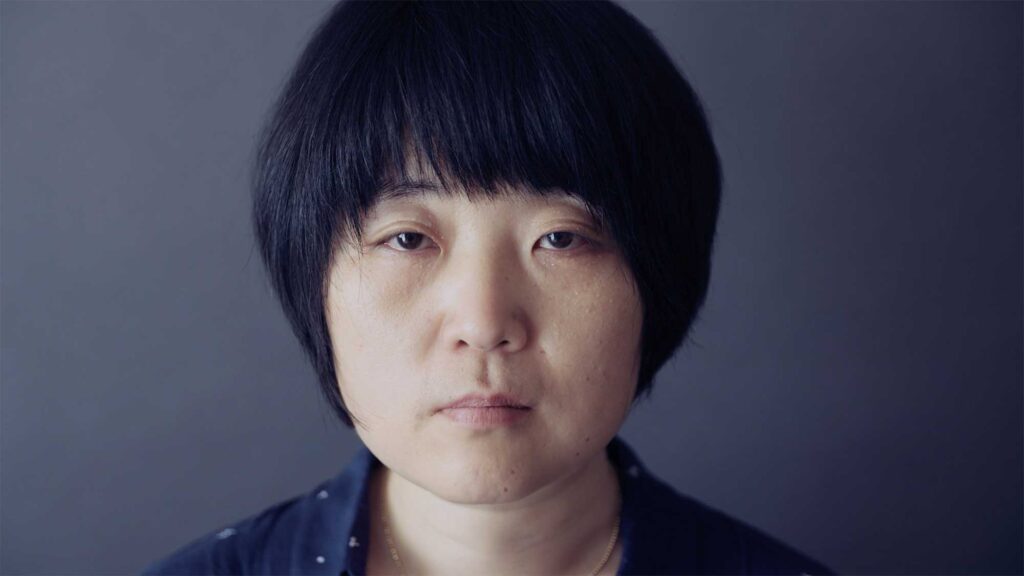
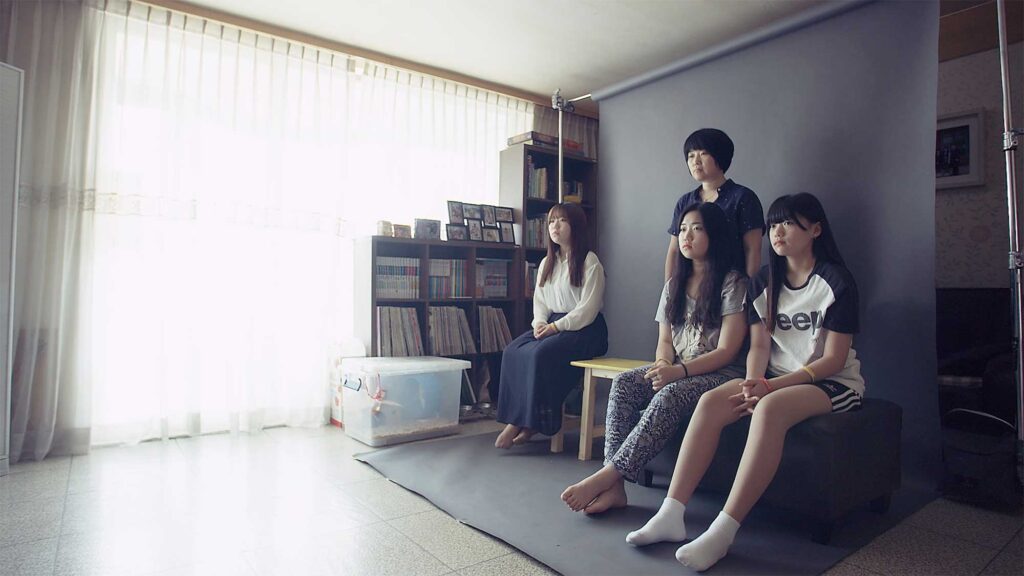
Building trust with the families required patience and care. I spent a long time speaking with representatives from different groups before filming anything. Every step had to respect boundaries and emotional limits.
The interviews were never meant to extract grief. I tried to listen first and film second. That balance guided the structure and tone of the film.
Music and Restraint
Levi Patel’s music plays an important but restrained role in Last Letters. The track SINCE LAST LETTERS supports the film without directing emotion too strongly. We were careful not to let music overpower the voices or the silence. That restraint helped keep the focus where it belongs: on the families and the spaces they inhabit.
Why I Made This Film
At its core, Last Letters follows the same principle that guides much of my work. People come first. The film reflects a struggle that often feels uneven, where individuals face institutions far larger than themselves.
It also touches on wider issues, such as self-censorship and freedom of speech in Korea, without turning them into slogans. I wanted the film to remain open, not instructive.
Looking Ahead
While Last Letters continues to find its way, I’ve recently completed This Island Is Ours, a feature documentary about territorial disputes between Korea and Japan. I’ve also finished Plastic Girls, the final part of a Korea-related trilogy that looks at space, memory, and public imagery.
Last Letters remains a very personal project for me. I’m thankful that it has been seen and discussed with care. That, more than anything, feels meaningful.