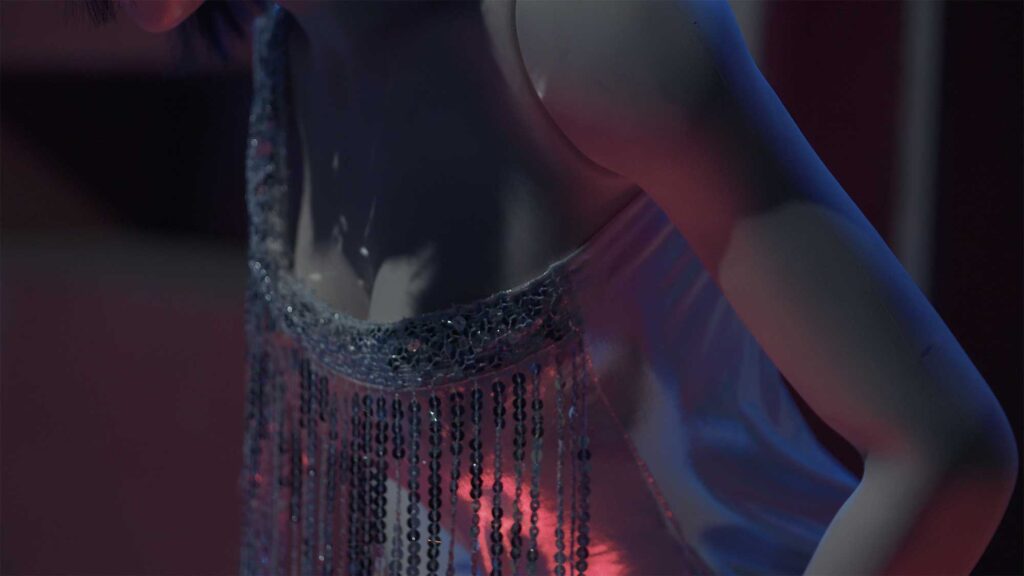
Plastic Girls at Cinequest Film & VR Festival
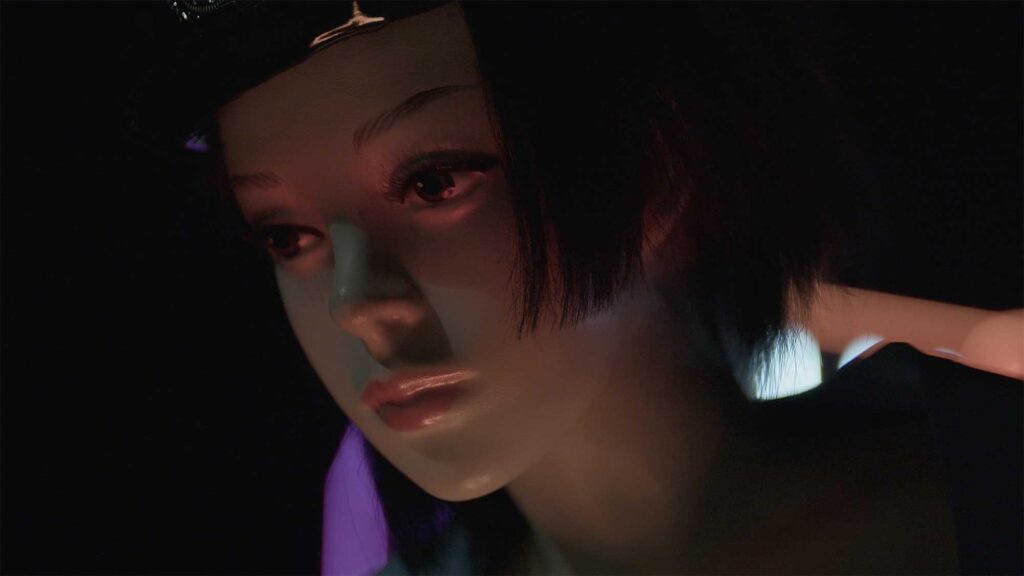
To mark the selection of Plastic Girls at the CINEQUEST FILM & VR FESTIVAL, Udo Lee, In-ah Shin, and I put together a short spotlight trailer for the film. Cinequest selected Plastic Girls from more than 1,750 submissions worldwide, which made this moment especially meaningful for everyone involved. The film screened as part of the Short Film Competition at Cinequest 2018 in San Jose, California.
Cinequest Screening Schedule
PLASTIC GIRLS screened at the following times and venues during the festival:
Saturday, March 3, 12:25 PM – 3 Below Theaters & Lounge, 288 S 2nd St, San Jose
Monday, March 5, 8:15 PM – Century 20 Redwood City, Screen 10, 825 Middlefield Rd, Redwood City
Saturday, March 10, 10:00 AM – 3 Below Theaters & Lounge, 288 S 2nd St, San Jose
Sunday, March 11, 10:45 AM – Century 20 Redwood City, Screen 11, 825 Middlefield Rd, Redwood City
Cinequest has long supported independent work that experiments with form and subject matter, so presenting PLASTIC GIRLS there felt like a good fit.
How Plastic Girls Began
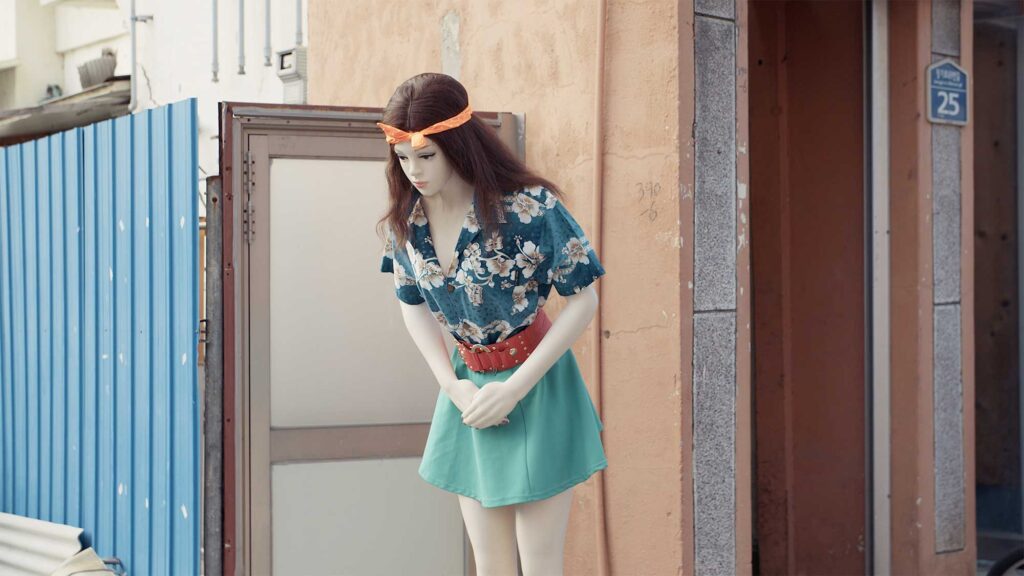
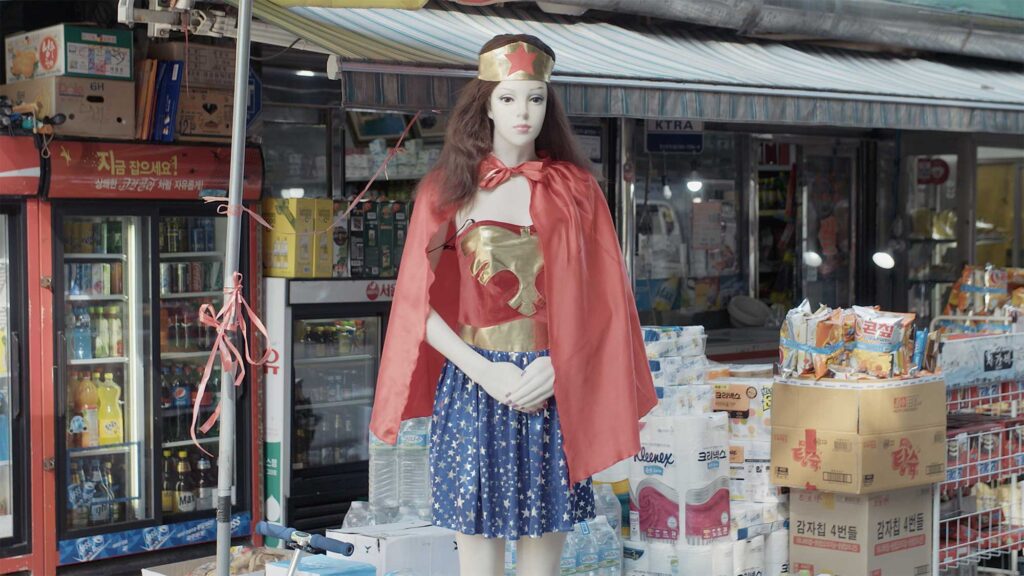
PLASTIC GIRLS grew out of a collaboration that started in 2015, when designer Hyun Cho invited me to take part in the book project Seoul Welcomes You. While working on that project, I became increasingly aware of the mannequins placed throughout Seoul’s streets and storefronts. Their presence felt both ordinary and unsettling, and that contrast stayed with me. From those observations, Plastic Girls slowly took shape.
The Film and the Trilogy
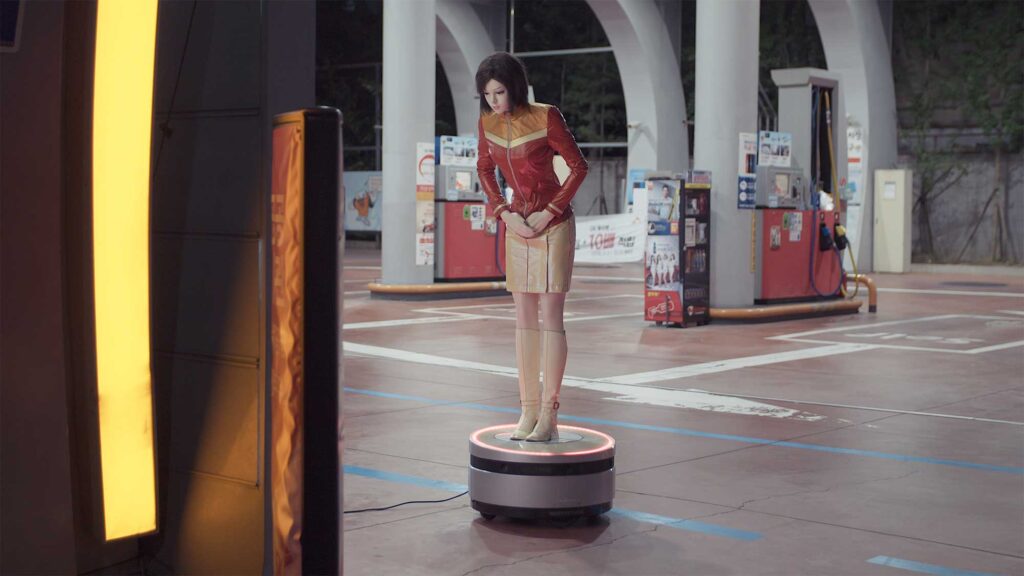
Plastic Girls is the final part of a trilogy that also includes Bikini Words and Last Letters. All three films look at space and architecture, but each approaches its subject from a different angle. In this film, mannequins become a way to reflect on gender, beauty standards, and the sexualization of public space without pointing fingers or offering simple conclusions.
Scripted Voices and Characters
Unlike my earlier films, Plastic Girls uses scripted interviews. Giving the mannequins a voice allowed us to explore how ideas of beauty and identity take shape. Characters such as Saemi, Rora, and Sunny reflect different expectations placed on women in Korean society, especially within commercial and entertainment contexts.
The Role of Music
Music plays an important role in all my work, and Plastic Girls was no exception. Udo Lee composed the score specifically for the film. His music helped shape the rhythm and tone, adding a subtle layer that supports the film without pushing it toward irony or satire.
Looking Ahead
Plastic Girls follows the same core approach that guides my other projects: placing people and lived experience at the center, even when the subjects appear artificial. At the same time, I continue to work on new films, including projects connected to architecture and social themes in Korea.
Closing Thoughts
I’m grateful that Plastic Girls found a place at Cinequest and that we could share the film with audiences there. The festival offered a thoughtful space to present work that sits between documentary and fiction, and that space matters.