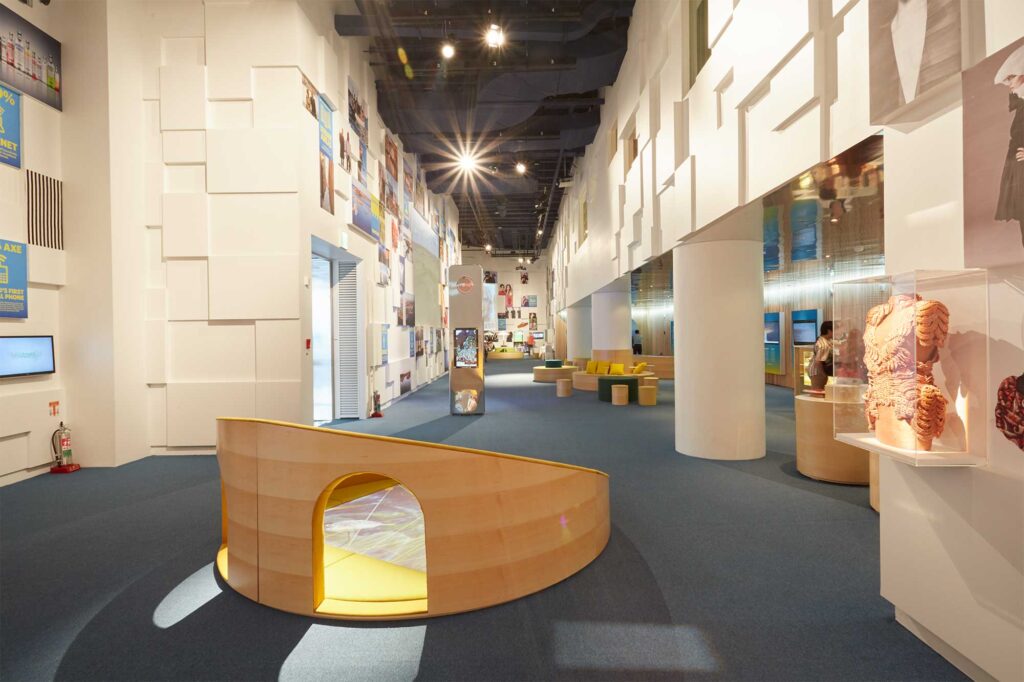
Swedish Pavilion — Expo 2012 Yeosu
At Expo 2012 Yeosu, the Swedish Pavilion focused on environmental responsibility and sustainable thinking. I photographed the National Day Ceremony at the pavilion, documenting how Sweden presented its ideas around sustainability within the wider Expo context.
Presenting environmental values
The Swedish Pavilion reflected Sweden’s long-term focus on environmental issues. Designed by Thomas Sandell, the pavilion followed the theme Open Sweden – the archipelago full of ideas. Its architecture and exhibition design positioned Sweden as a country shaped by nature, innovation, and environmental awareness.
Rather than relying on slogans, the pavilion presented practical approaches to sustainability. As a result, visitors could engage with these ideas through space, images, and experience.
Structure and storytelling
The exhibition was divided into four sections. Each section addressed a different aspect of Sweden’s relationship with nature, from landscape and living environments to technology and future solutions. Together, they formed a clear and accessible narrative.
Because of this structure, visitors could move through the pavilion at their own pace. The experience encouraged reflection rather than instruction.
Photographing the National Day Ceremony
On Sweden’s National Pavilion Day, cultural events took place throughout the site. I photographed performances, including traditional folk dances, as well as activities designed for children and families. These moments connected cultural heritage with contemporary ideas around sustainability.
While documenting the ceremony, I focused on interaction and atmosphere. The aim was to show how environmental values and cultural identity can coexist in public celebration.
Sustainability through observation
Through photography, I tried to highlight Sweden’s approach without emphasis or staging. Instead of isolating key moments, I followed the flow of the event. This allowed the images to reflect how sustainability appeared as part of everyday experience rather than as a display.
After the Expo
Although Expo 2012 has long since closed, the ideas presented at the Swedish Pavilion remain relevant. The photographs now serve as a record of how environmental responsibility was communicated through architecture, culture, and public engagement.
For me, the project offered another opportunity to observe how national identity, space, and sustainability come together in a temporary yet carefully considered setting.