Remembering April 16, 2014
April 16, 2014 remains one of the darkest days in recent Korean history. On that morning, a ferry traveling from Incheon to Jeju Island capsized. Three hundred and four passengers and crew members lost their lives. Years later, the weight of that day still hangs heavy in Korea. It is a date marked by grief, unresolved questions, and a deep sense of collective loss. For many families, time has not brought closure. Instead, it has made absence more visible.
Eight Families, One Unfinished Story
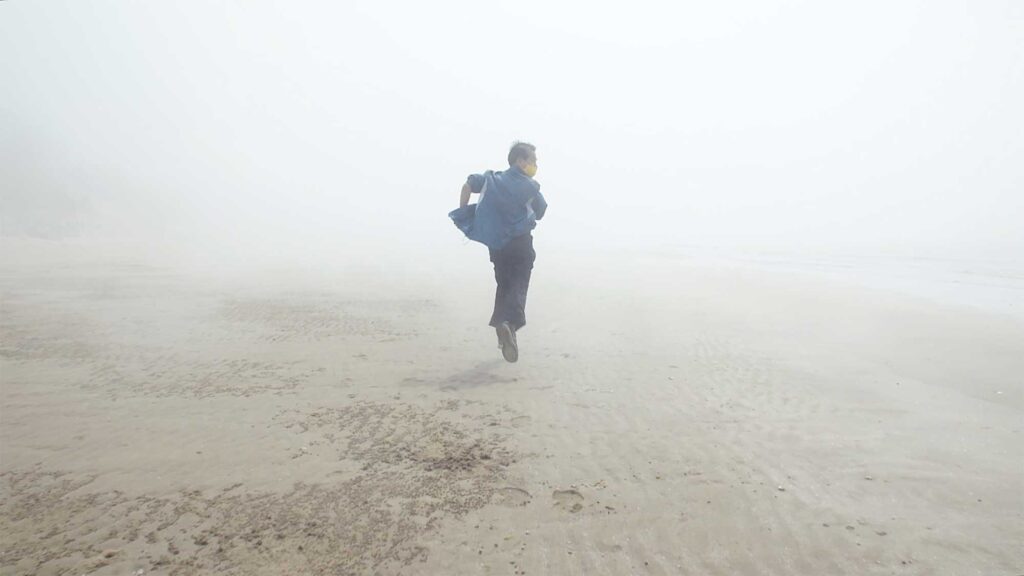
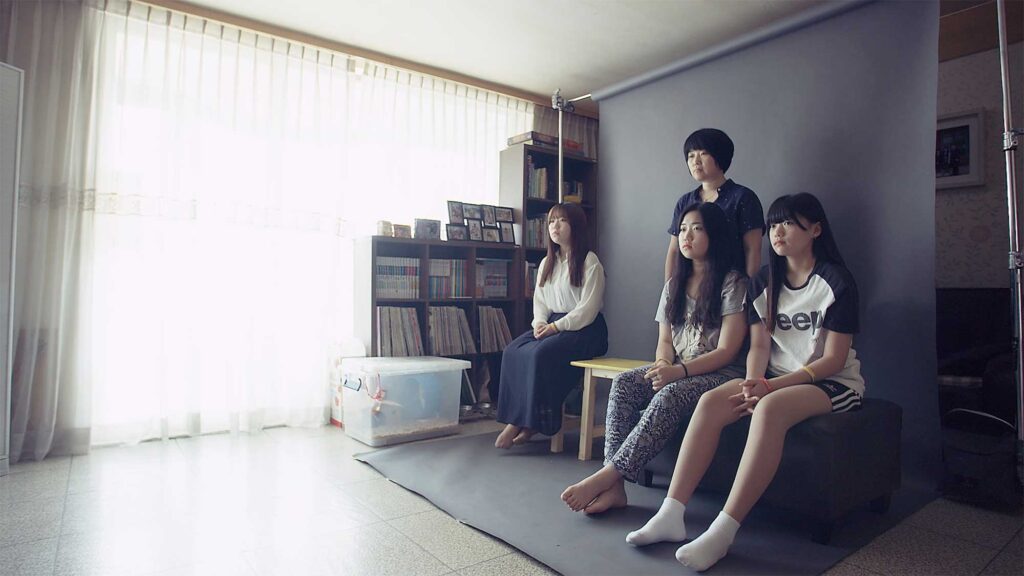
Last Letters is a short film that focuses on eight families who lost loved ones in the Sewol ferry tragedy. Rather than reconstructing events or searching for new facts, the film stays close to the emotional and physical spaces left behind. It looks at what remains when a family can no longer be whole.
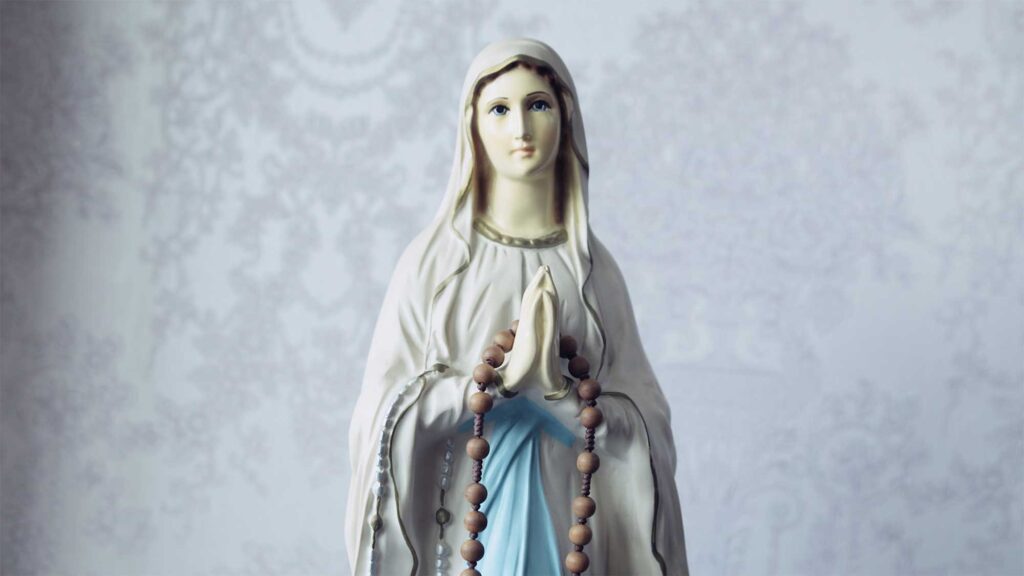
The film moves between documentary and fiction. This approach allowed me to reflect on grief without forcing answers where none exist. At its core, Last Letters is about absence, memory, and the quiet attempt to hold onto something incomplete.
Grief, Activism, and Unanswered Questions
In the years following the disaster, many family members became activists. Their frustration grew as investigations stalled and responsibility remained unclear. At the time of filming, nine victims had still not been recovered. The ferry itself, a crucial piece of evidence, remained largely untouched.
This unresolved state affected not only the families but also wider Korean society. Public trust eroded, and anger mixed with exhaustion. While Last Letters does not document these struggles directly, the weight of this unresolved reality is present throughout the film.
Working With Space Instead of Evidence
Last Letters does not follow the path of an investigative documentary. Instead, it draws from my long-standing interest in space and architecture. The homes of the families became the film’s primary setting. These spaces carry memory in subtle ways: empty rooms, rearranged furniture, quiet routines.
By focusing on space, the film avoids spectacle. It does not seek to provoke anger or offer conclusions. It tries, instead, to create a moment of stillness. A place where grief can exist without explanation.
Why I Made Last Letters
As a filmmaker, my intention was never to speak for the families. I wanted to listen and to observe. I hoped to create something that felt respectful and restrained, while still being honest.
Last Letters is my attempt to acknowledge a tragedy that should not fade into silence. It is also an attempt to reach viewers outside Korea, for whom April 16 may be just another date. For the families, it is a day that never ended. This film is a small gesture. It cannot bring answers. But it can hold space for memory, grief, and the quiet resilience of those who continue to live with loss.